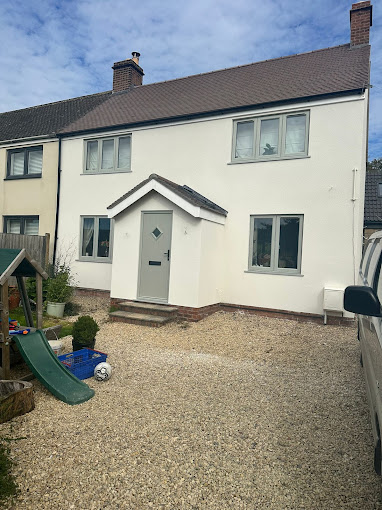
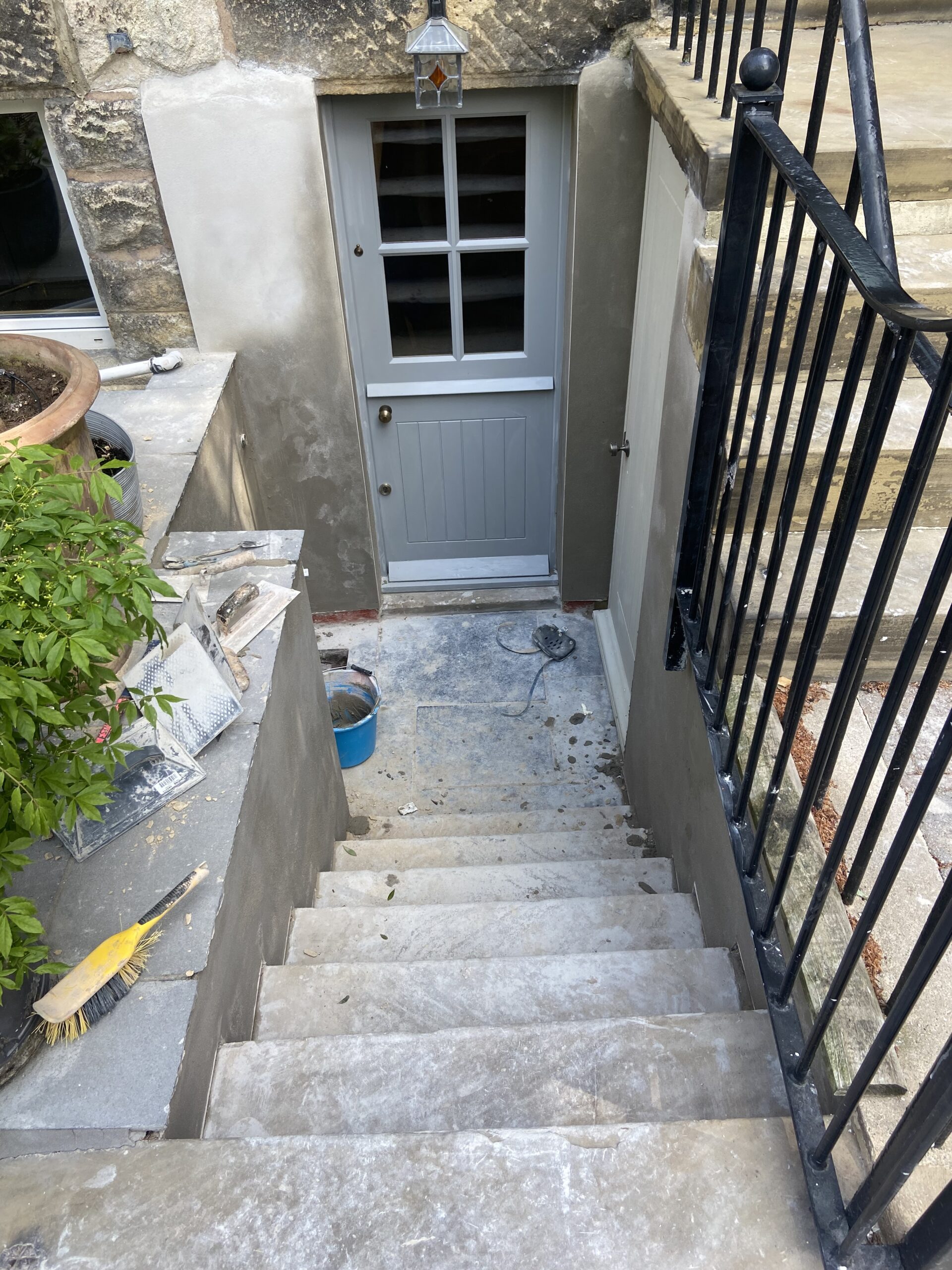
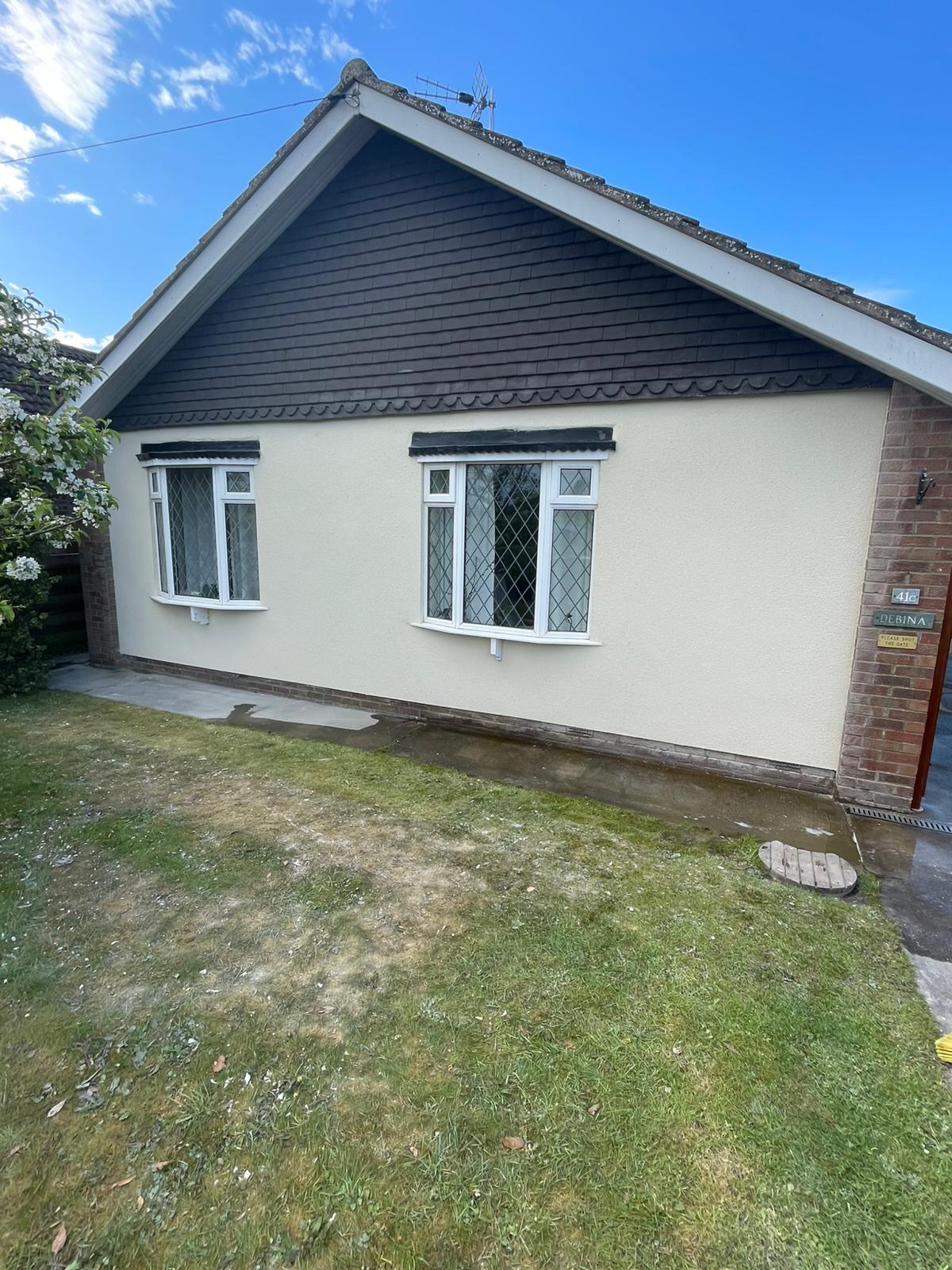
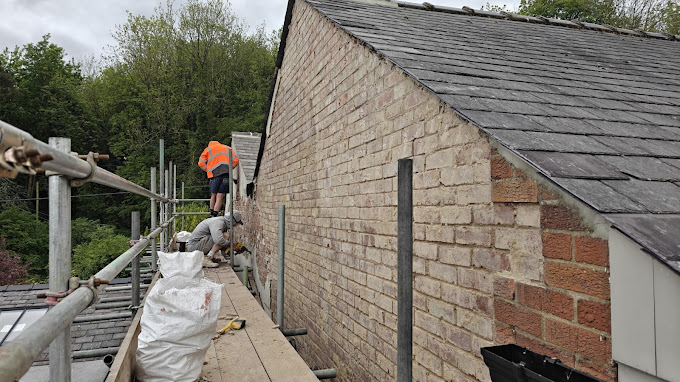
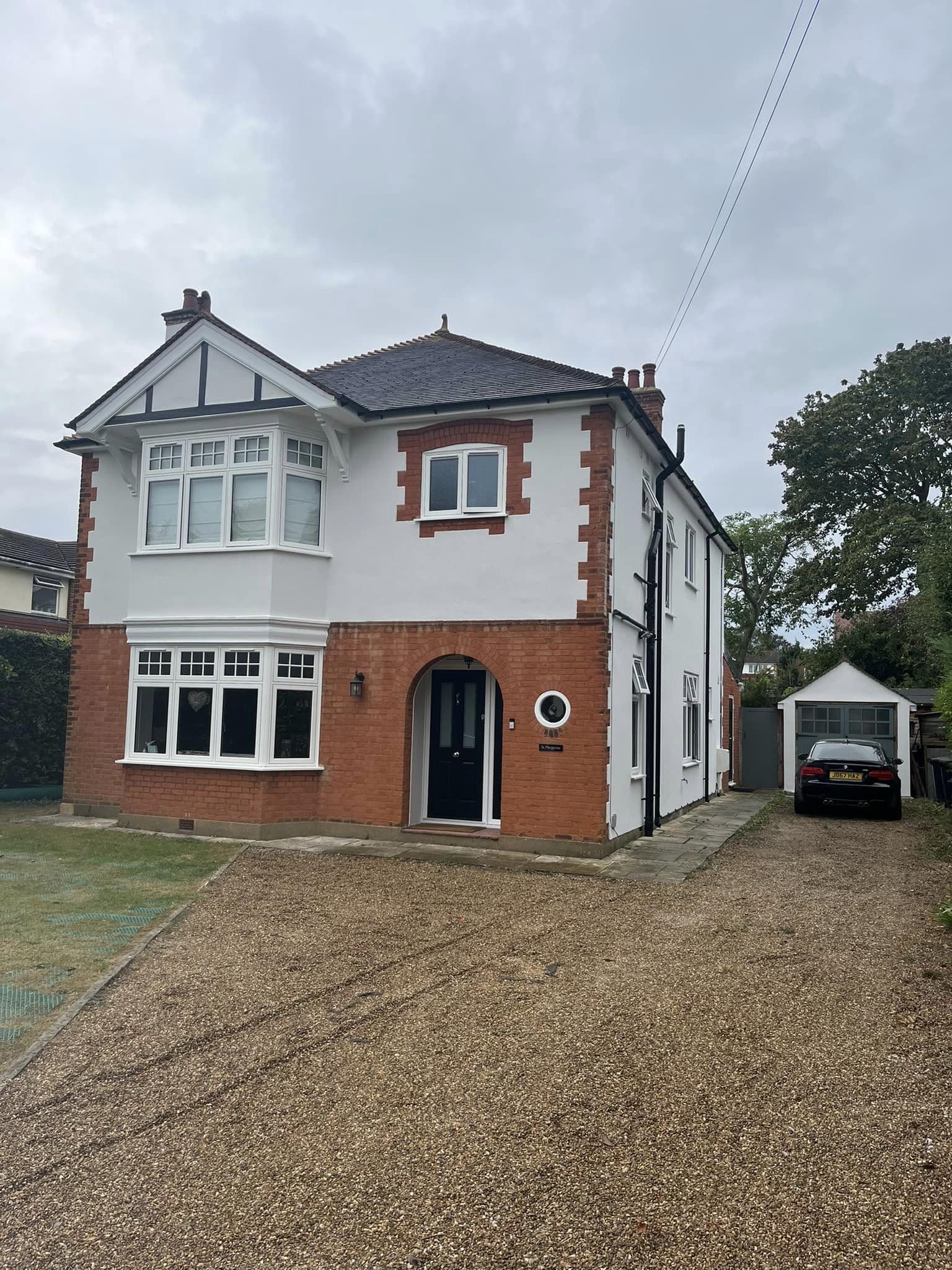
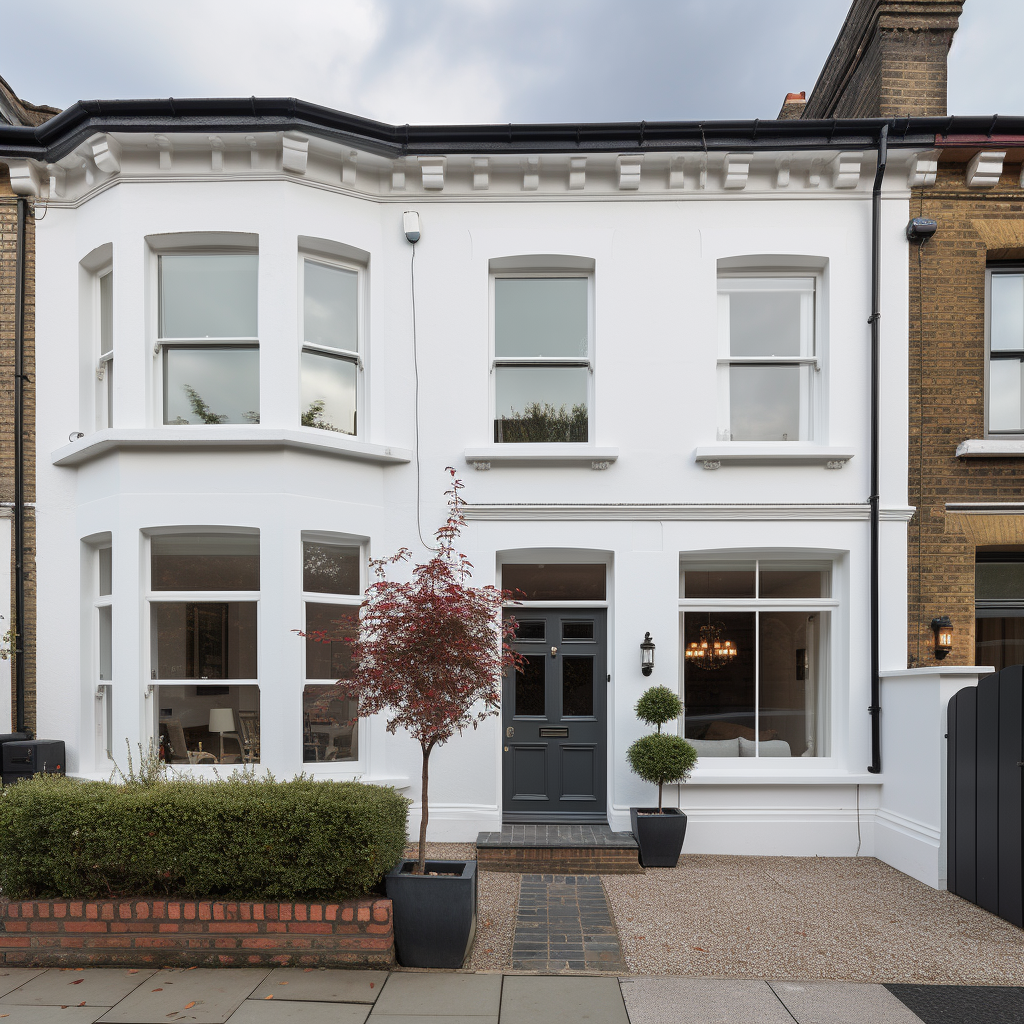
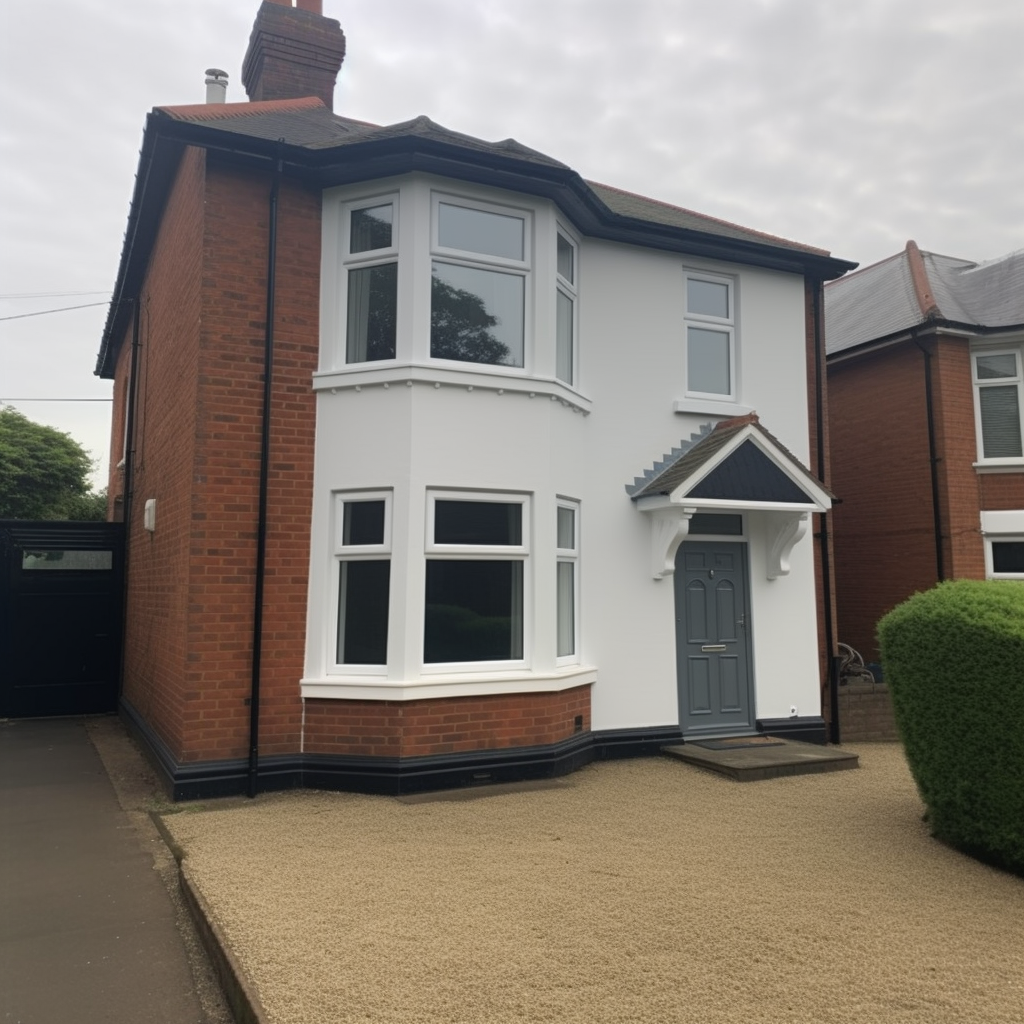
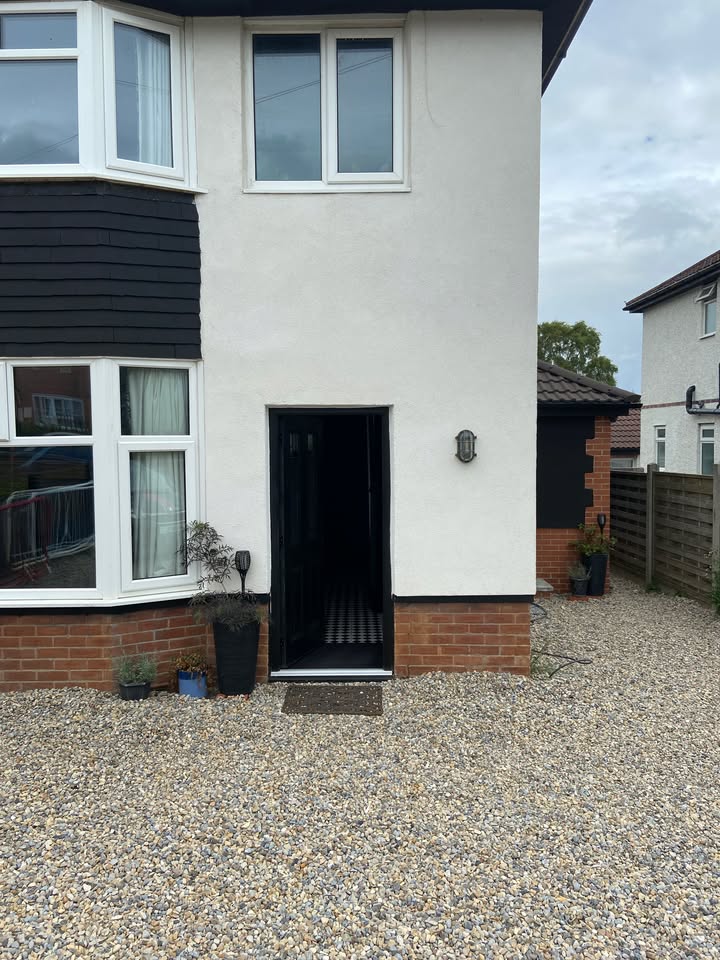
Thinking of rendering your home but unsure which type suits your property or whether it’s worth the cost? This guide explains the main types of render used across UK homes, the typical costs to expect, and the practical pros and cons so you can choose confidently for your building’s age, location and style. Rendering can protect your walls, improve insulation and refresh your home’s appearance — but the right choice depends on material, budget and whether your property needs a breathable finish.
You’ll find clear comparisons of lime, cement, monocouche, silicone and specialised renders, plus realistic cost ranges and maintenance implications. Use the guidance to match a render type to your property, avoid common pitfalls, and decide whether to DIY or hire a professional.
Understanding House Rendering
Rendering protects and finishes external walls, improves thermal performance in some systems, and changes a home’s look. You’ll learn what render is, common types and their uses, how installers apply it, and which properties suit each system.
House rendering is a protective and decorative coating applied to external masonry or blockwork. It typically consists of a base (scratch) coat and one or more finishing coats that provide texture, colour and weather resistance.
Rendering can be cement-based, lime-based, acrylic or silicone, among others. Some systems include insulation boards fixed to the wall before rendering, which adds thermal value and reduces cold bridges. Renders also help seal small cracks and protect against driving rain when correctly specified and installed.
You should view render as both a weatherproofing layer and an aesthetic finish. The right choice depends on substrate condition, breathability requirements and desired appearance.
Types of House Render
Common types include cement, lime, monocouche, acrylic, silicone and textured thin-coat systems.
Cement render: durable and low-cost; suitable for modern brick or blockwork. It’s less breathable and can trap moisture on older walls.
Lime render: breathable and flexible; ideal for period properties and softer masonry. It absorbs and releases moisture without damaging substrates.
Monocouche render: pigmented through the coat so it doesn’t require painting; offers a smooth or textured finish and good weather resistance.
Acrylic and silicone renders: thin-coat polymer systems that give a wide range of textures and hydrophobic properties. Silicone is more water-repellent and easier to clean.
Insulated render systems (ETICS): combine insulation boards with render to improve U-values; requires careful detailing around openings and damp-proof courses.
Choose by substrate, moisture movement, maintenance tolerance and budget. Colour options, texture and lifespan vary by system and manufacturer.
For homeowners looking for silicone render in York, this type of system is popular because it combines weather protection with breathability, making it well suited to UK properties.
How Render Is Applied
Application typically follows inspection, preparation, and a multi-coat process applied by trained operatives.
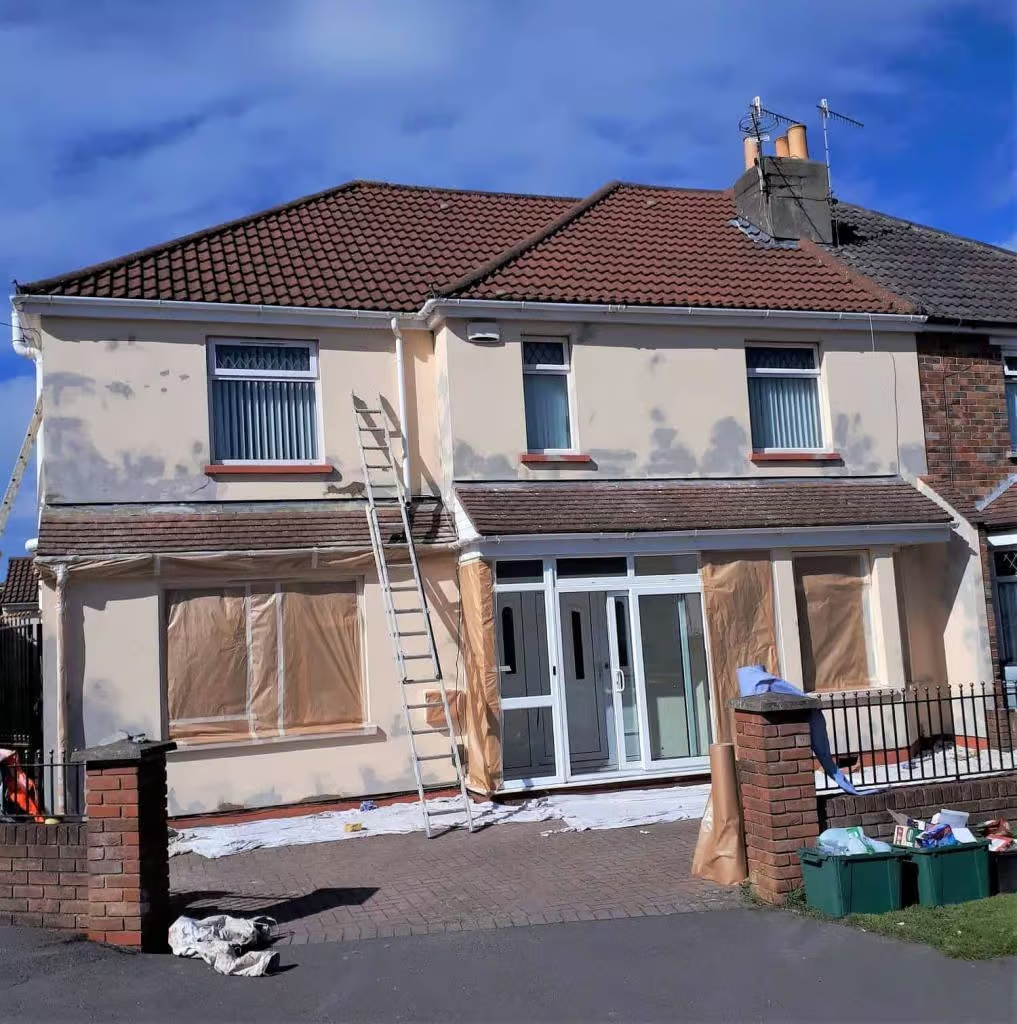
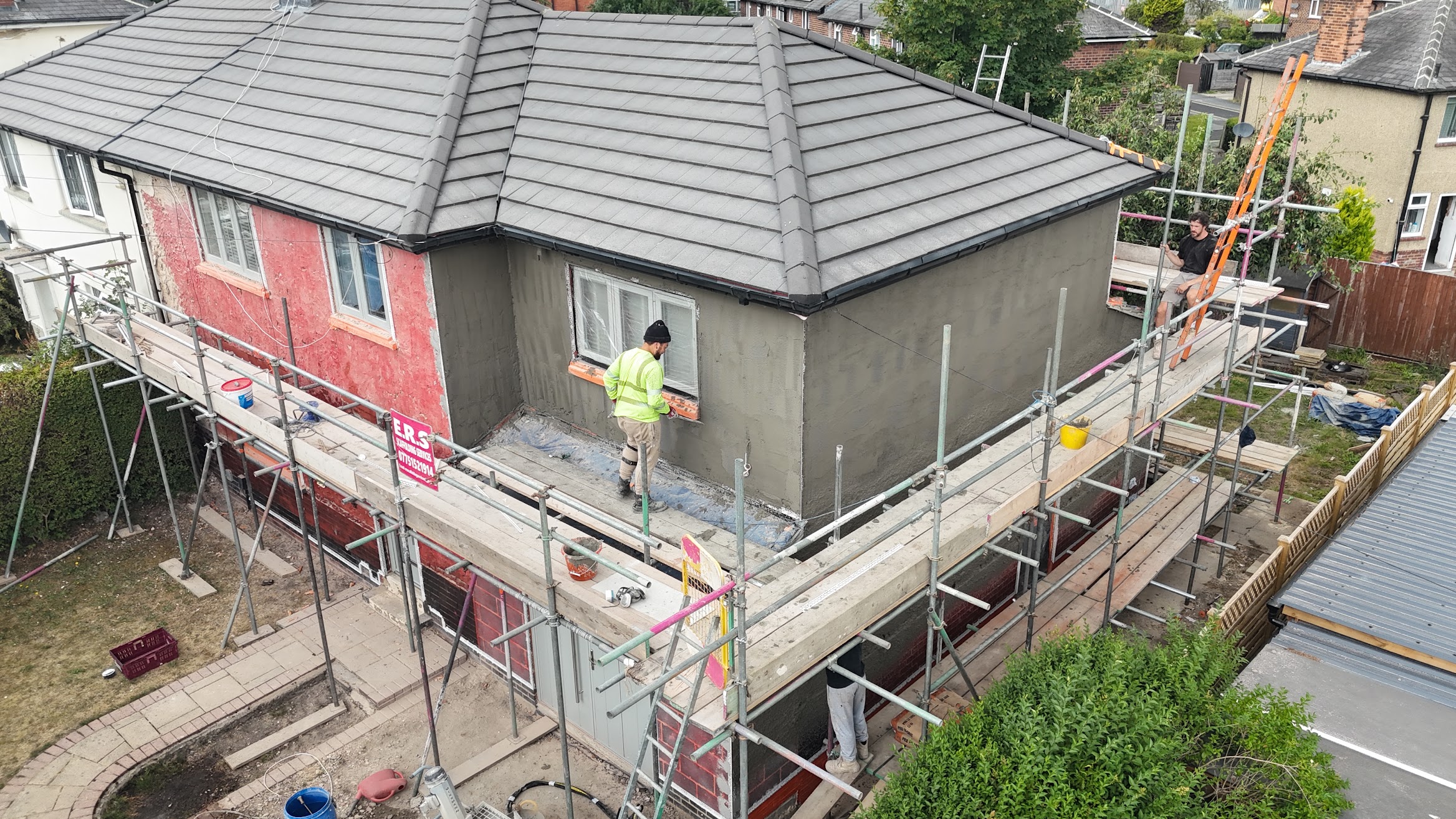
Preparation: repair cracks, remove loose material, clean surfaces and apply suitable primer or key coat. For insulation systems, fix insulation boards with adhesive and mechanical fixings first.
Base coats: a scratch or bonding coat is applied to provide a stable substrate. Reinforcement mesh may be embedded in thin-coat systems to control cracking.
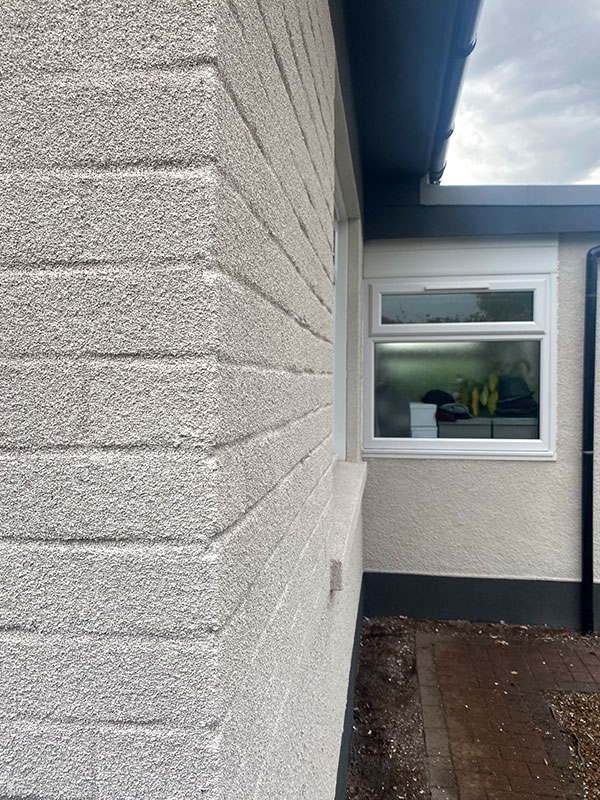
Finish coat: a textured, smooth or pigmented topcoat is applied once the base is cured. Finishes include float, sponge, dash (render with aggregate), and sprayed monocouche.
Curing and detailing: protect from frost and rapid drying during curing. Detail around windows, doors, soffits and damp-proof courses to prevent water ingress.
Correct thickness and dry conditions are crucial. Poor application increases risk of cracking, staining or premature failure.
Suitability for Different Properties
Your property type strongly influences render choice: new builds, period homes and heritage buildings have different needs.
Modern brick or block homes: cement, monocouche or silicone acrylic renders suit well. Insulated render systems are common to meet energy targets.
Older or listed buildings: lime render usually works best because it breathes and flexes with softer masonry. Check conservation rules before altering external finishes.
Timber-framed or lightweight substrates: use flexible, breathable systems designed for the substrate and follow manufacturer guidance.
Coastal or high-exposure locations: choose highly water-repellent finishes like silicone-based renders and ensure robust flashing and details.
Always assess substrate condition, moisture history and any planning or conservation restrictions. Consult a specialist when working on older or protected buildings.
Costs, Pros and Cons of House Rendering
Rendering changes your exterior appearance, adds weather protection and can affect energy performance. Costs vary by material and property size, benefits include durability and insulation, while drawbacks include cracking, maintenance and potential breathability issues that can affect older buildings.
Typical Render Costs in the UK
Expect to pay roughly £30–£80 per m² for common renders like cement or acrylic. A mid-sized semi-detached house typically costs between £3,000 and £8,000; detached homes commonly fall in the £9,000–£12,000 range depending on complexity and access.
Higher-end systems such as monocouche or insulated render can push costs to £60–£100/m². Labour, scaffolding, preparation (removing old render, fixing substrate), and finishing (colours, textures, silicone coatings) all affect the final price. Always get written quotes that itemise materials, labour, guarantees and expected timescales.
Rendering provides a continuous, weatherproof external layer that protects brick and blockwork from rain and frost. It also improves thermal performance when you choose insulated or mineral wool-backed systems, which can reduce heating demand and damp issues.
You can update the look of your property quickly; renders come in many textures and colours that reduce the need for repainting. Some modern renders, such as silicone or polymer-modified mixes, resist algae and require minimal maintenance for years. Good workmanship plus a manufacturer’s guarantee increases long-term value.
Potential Drawbacks of Render
Incorrectly selected or applied render can trap moisture, especially on solid-walled or older properties, leading to damp and fabric deterioration. Renders that lack breathability (e.g., some cement-based or heavily sealed systems) are a particular risk on traditional lime-built houses.
Cracking can appear if substrate movement, poor preparation or rapid drying occurs; hairline cracks are common and need timely repair to prevent water ingress. Render removal and replacement is labour-intensive and costly, so choose systems compatible with your wall construction and seek specialist advice for historic buildings.
Factors Affecting Render Longevity
Longevity depends on material quality, substrate condition, workmanship and local exposure (coastal salt, driving rain, shade). Well-prepared masonry, correct reinforcement (mesh where required), and suitable primer/undercoats greatly reduce failure risk.
Regular inspections, prompt repairs of cracks or failed seals, and controlled cleaning extend life expectancy. Typical service lives: acrylics 10–20 years, cement renders 15–25 years, and high-quality monocouche or silicone systems can last 20–30 years when installed and maintained correctly.
Frequently Asked Questions
This section gives clear, specific answers about common choices, likely costs, benefits, downsides, lifespan and the thermal impact of render systems in UK homes. Expect names of common materials, typical price ranges, practical pros and cons and realistic maintenance intervals.
What are the most popular types of render for houses in the UK?
Cement (sand and cement) render remains common for its low cost and durability on exposed walls. It suits traditional brick and blockwork but needs sealing or painting for appearance.
Monocouche and silicone renders offer coloured, breathable finishes that resist staining and weathering. Builders favour them for a contemporary look and lower repaint frequency.
Lime render is chosen for older, period properties because it allows damp to evaporate and moves with historic masonry. Use lime only on compatible substrates to avoid trapped moisture.
Acrylic and polymer-modified renders give flexible, impact-resistant finishes and a wide colour range. They work well on modern builds and where a thin, decorative coat is required.
Insulated render systems (ETICS) combine render with external insulation boards to improve U-values. These systems increase wall thickness and require careful installation to avoid thermal bridging.
How much does it typically cost to render a house in the UK?
Basic sand and cement render applied to a semi-detached house typically starts around £1,500–£4,000 for labour and materials, depending on area and access. Costs rise for larger or awkward properties.
Monocouche and silicone renders generally cost £40–£80 per square metre installed, including background preparation and finish. Higher-performance silicone systems can exceed this range.
External wall insulation with a finished render (ETICS) commonly costs £100–£200 per square metre installed, depending on insulation thickness and finish. Grants or ECO schemes may reduce net cost for eligible homes.
Expect additional charges for scaffolding, brick repairs, or substrate remediation. Always obtain multiple quotes and written specifications before committing.
What are the advantages of rendering a home?
Render improves weatherproofing and protects masonry from rain penetration and frost damage. That reduces the risk of damp-related repairs.
A coloured or textured render can transform appearance without frequent repainting. Monocouche and silicone options keep maintenance requirements lower.
Insulated render systems enhance thermal performance and can lower heating bills when correctly specified and installed. They also remove cold bridges at some junctions.
Rendering allows repair of uneven or degraded brickwork, producing a clean, uniform façade. You can also add decorative effects, such as pebble dash, smooth or fine textures.
Are there any significant disadvantages to house rendering?
Poor preparation or incorrect render choice can trap moisture and cause blistering, cracking or mould. That results in costly repairs and potential structural issues.
Some traditional renders require regular maintenance and repainting, which adds ongoing cost. Cement renders in particular may need redecoration more often.
Insulated render systems increase external wall thickness, which can affect guttering, windows and door reveals. You may need to adjust or replace external fittings.
Removal of existing render is disruptive and can expose underlying defects that need fixing. Using inexperienced installers raises the risk of premature failure.
How long does rendering on a house typically last before requiring maintenance?
Simple sand and cement renders usually need some maintenance or redecoration every 5–10 years, depending on exposure. Cracks or delamination demand local repairs sooner.
High-quality monocouche or silicone renders often last 15–25 years before major works, with periodic cleaning and small repairs in between. Lifespan depends on finish and climate exposure.
Insulated render systems typically require inspection every few years and may need partial repair or replacement after 20–30 years. Regular checks of fixings and joints extend service life.
Can house rendering improve the energy efficiency of a home?
Yes. External wall insulation combined with a finished render (ETICS) raises wall U-values and reduces heat loss through solid walls. Typical savings vary by property but can be substantial for uninsulated brick homes.
Thin decorative renders alone offer minimal thermal benefit unless applied over a dedicated insulation layer. Choose a certified installer and appropriate insulation thickness to achieve meaningful efficiency gains.
We’re here to make your rendering project simple and stress-free. Whether you’re curious about silicone render, need advice on monocouche finishes, or want help choosing the right system for your Yorkshire property — our team is always happy to help.
If you can’t find the answer below, just get in touch and we’ll guide you through it.
Silicone is flexible, breathable and highly water-repellent — great for refurb and long-term colour. Monocouche is a durable through-colour render with a crisp texture that doesn’t require painting.