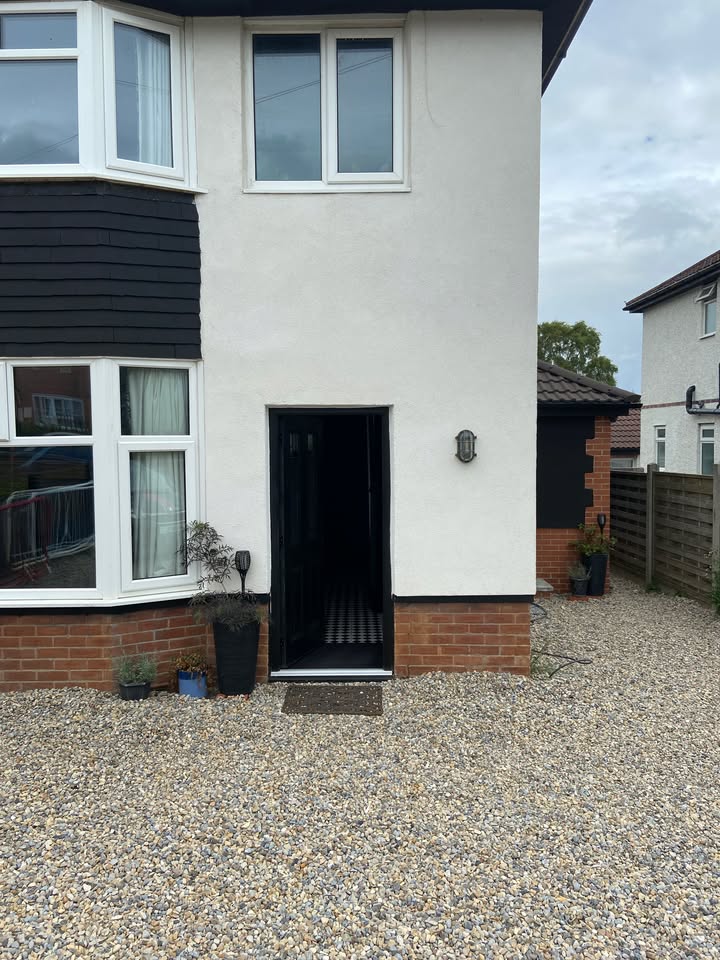
Rendering can add visual impact, better insulation and measurable resale value — but whether it’s worth it for your home depends on your property type, local market and budget. If your house looks tired, suffers from damp or has poor wall insulation, rendering paired with insulation can often deliver the best return by boosting kerb appeal and cutting energy bills.
You’ll find practical guidance on how rendering affects market value, where it truly pays off, and what to weigh up before you commit. Expect clear comparisons of costs, typical value uplifts, and simple tips to choose finishes that appeal to most buyers.
Is Rendering Worth It? Evaluating House Value, Insulation, and Kerb Appeal
Rendering can boost sale price, cut heat loss when combined with insulation, and refresh your home’s look quickly. Costs, type of render and local buyer preferences determine whether the benefits outweigh the upfront work.
How Rendering Can Increase Property Value
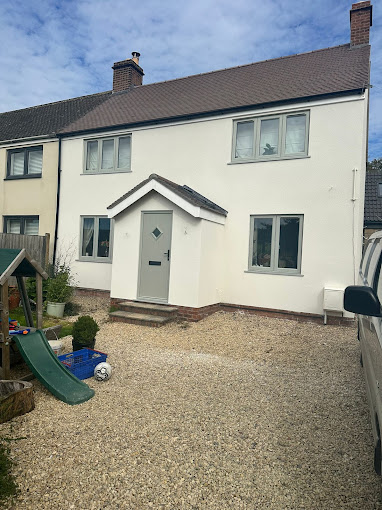
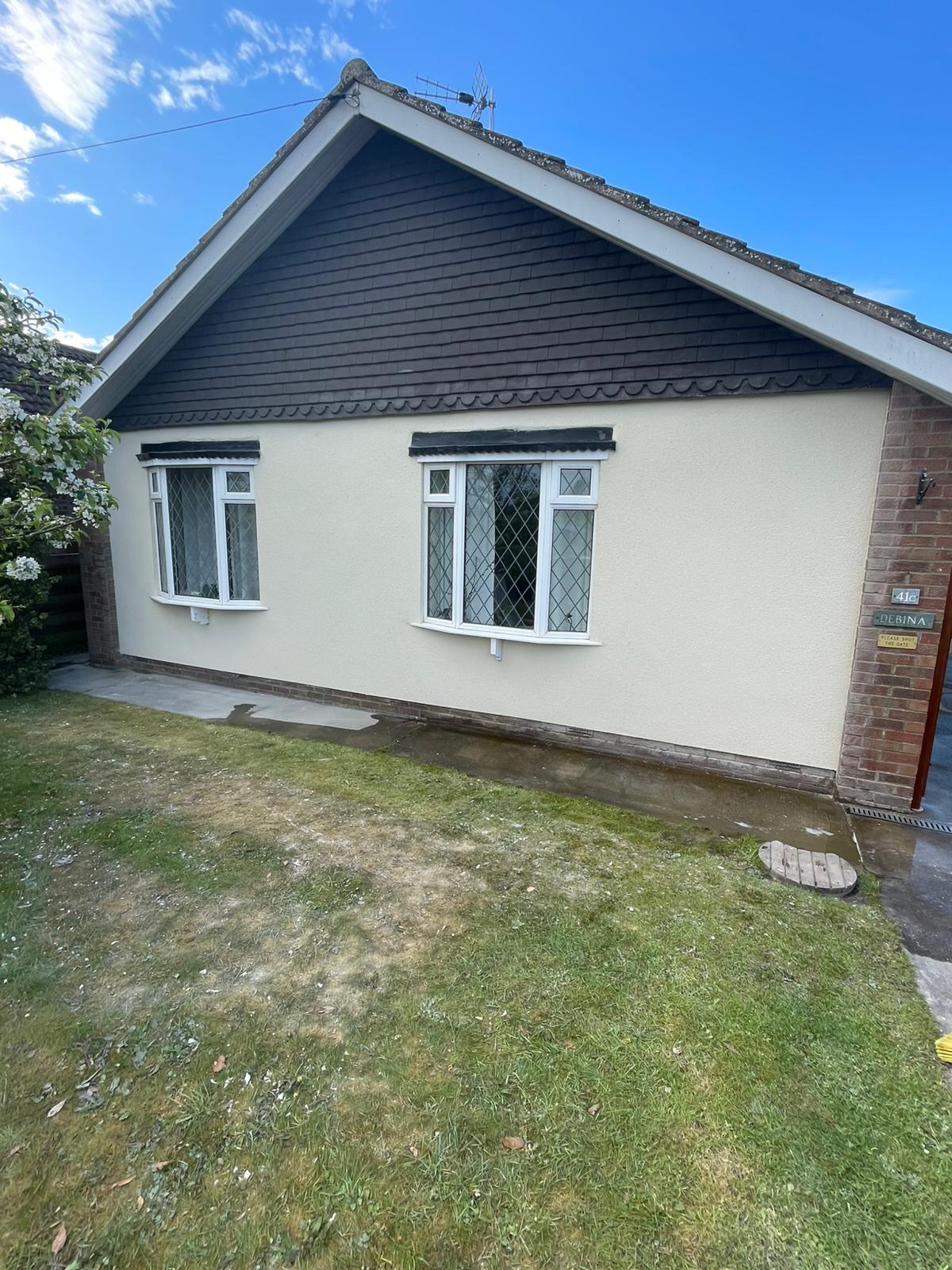
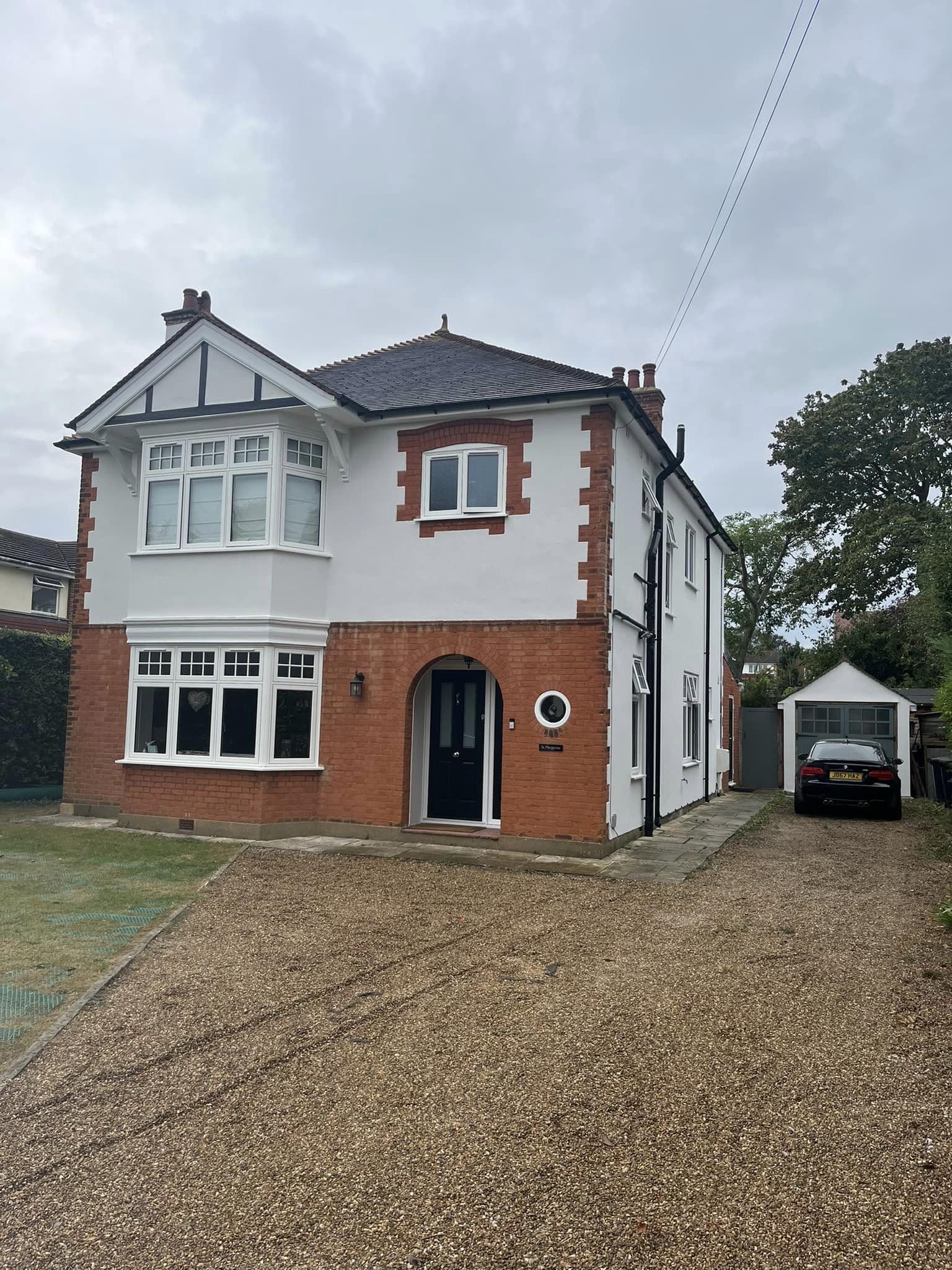
A well-executed render can raise perceived value by improving presentation and reducing visible maintenance issues. Industry estimates often cite uplifts in the range of 5–10% for properties where render modernises the façade and hides patchy brickwork or ageing pebbledash.
Choose neutral tones such as cream or beige to appeal to the largest pool of buyers; studies show neutral renders attract significantly more buyer interest than bold colours. Quality of workmanship matters: poor application can harm value by creating cracking or damp risks.
If you’re selling, factor in cost versus likely gain. Front-only rendering typically costs less and still delivers most of the kerb appeal benefit, while full external wall insulation plus render raises both costs and energy-efficiency credentials, increasing value more for energy-conscious buyers.
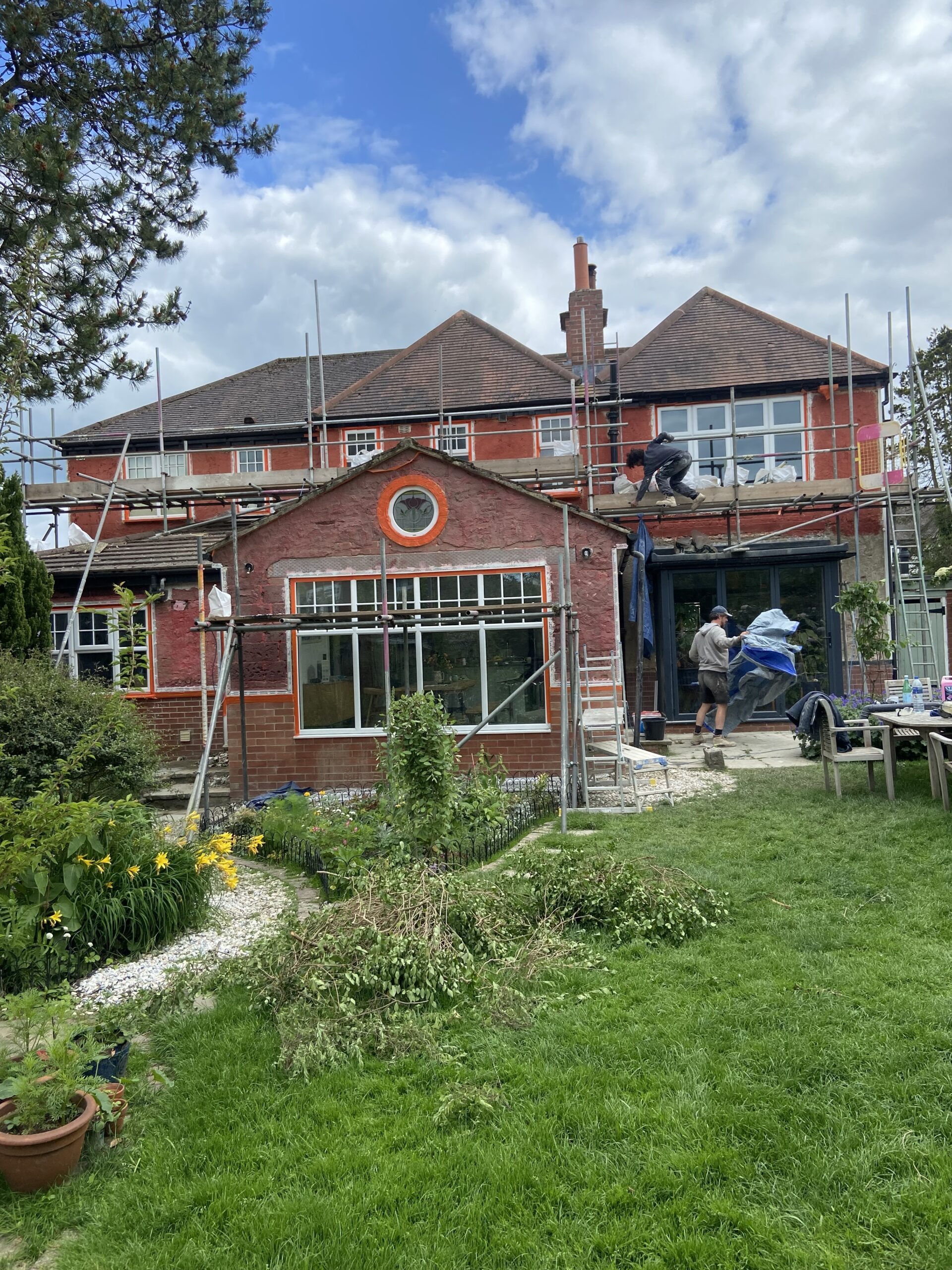
Render itself is a protective finish; it only improves thermal performance when paired with external wall insulation (EWI). Adding insulated render typically increases installation cost by a set amount per square metre, but it can reduce heat loss substantially and lower energy bills.
EWI combined with render improves your EPC rating, which buyers increasingly check. A better EPC can boost marketability and may add several thousand pounds to a property’s value in some areas. Do note that the effectiveness depends on wall type — solid walls gain more than modern cavity walls.
Installation quality and the insulation material you choose determine long-term performance. Get a survey to confirm U‑value improvements and check warranty terms for both insulation and render to protect against moisture or adhesion problems.
Enhancing Kerb Appeal with Rendering
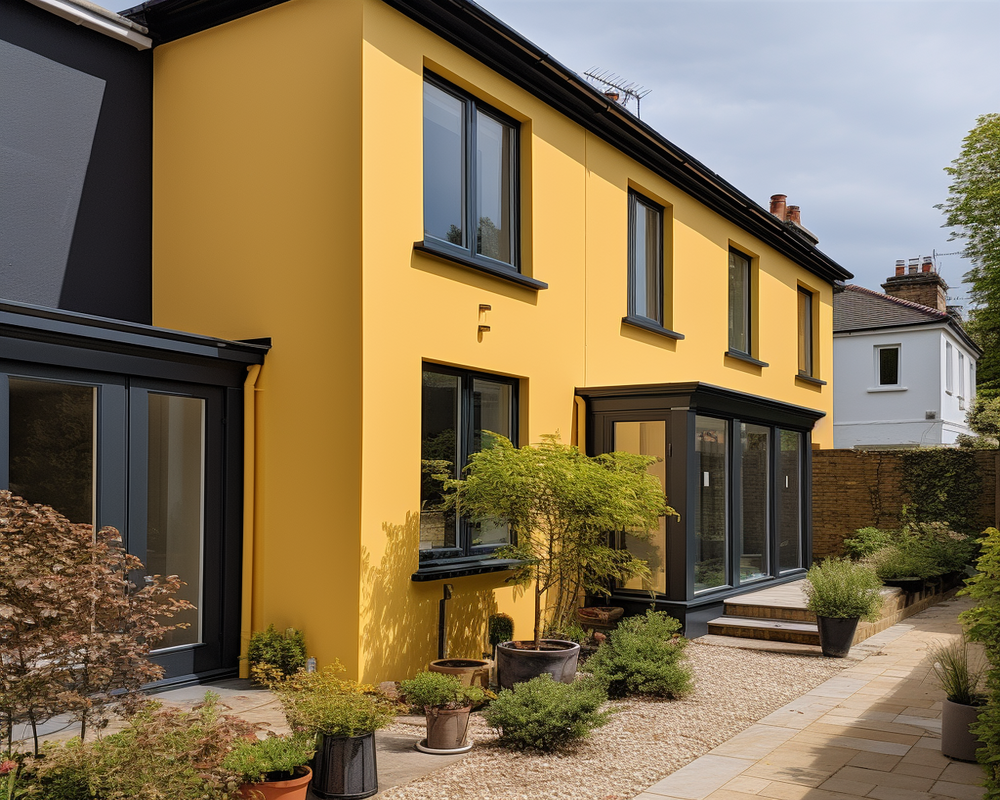
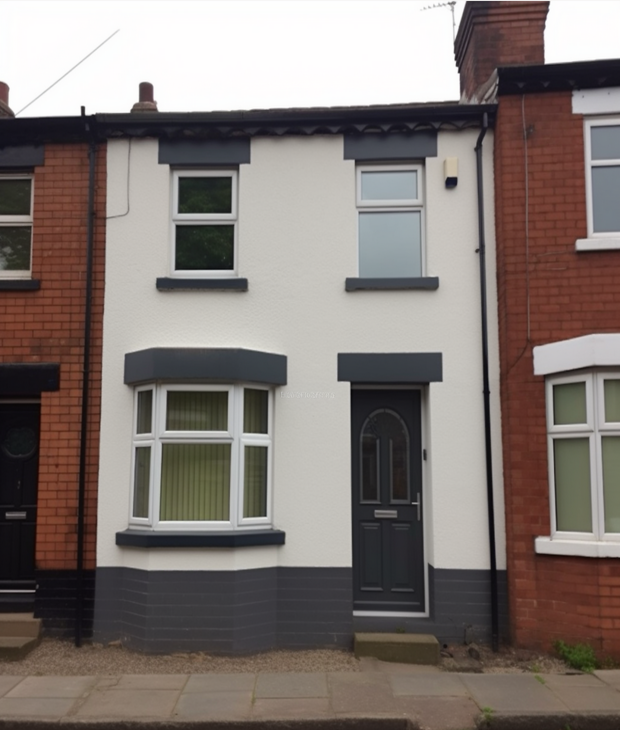
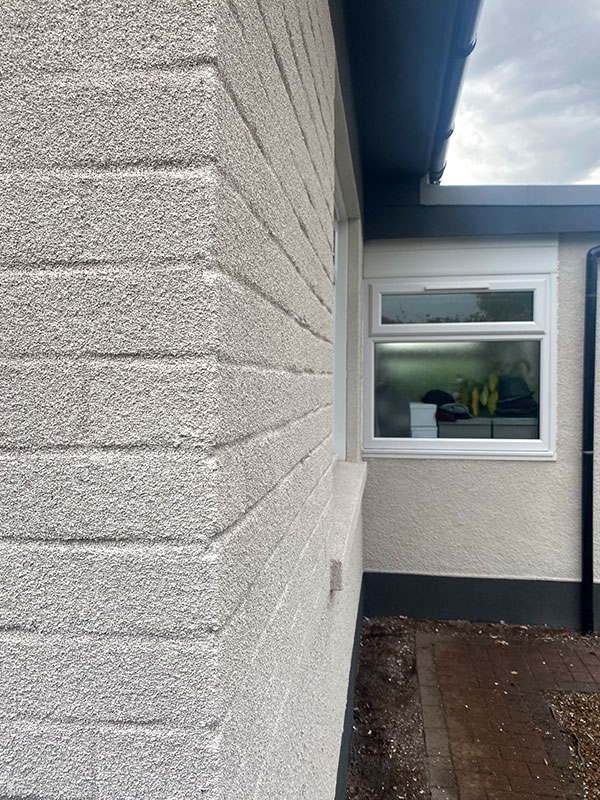
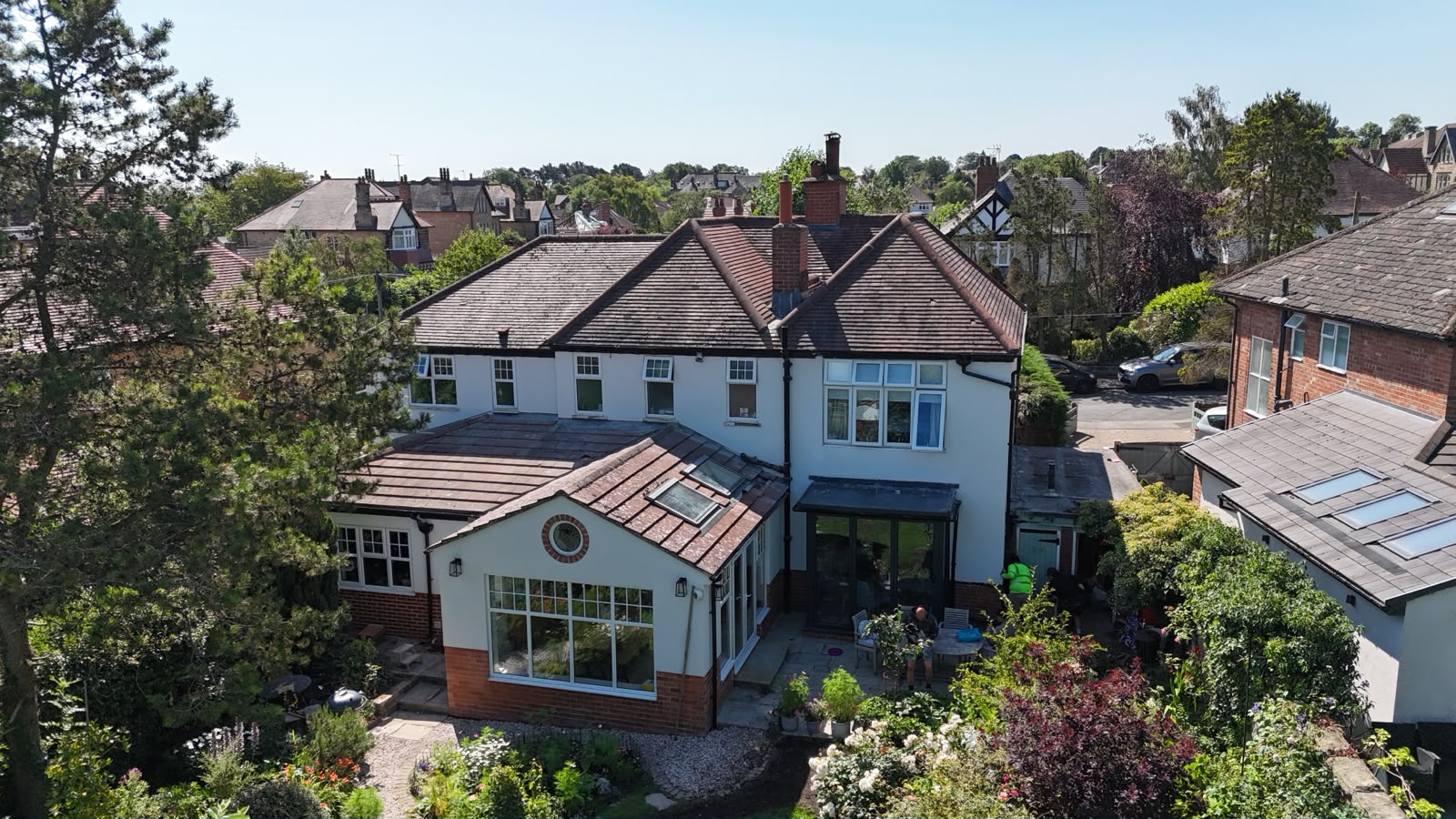
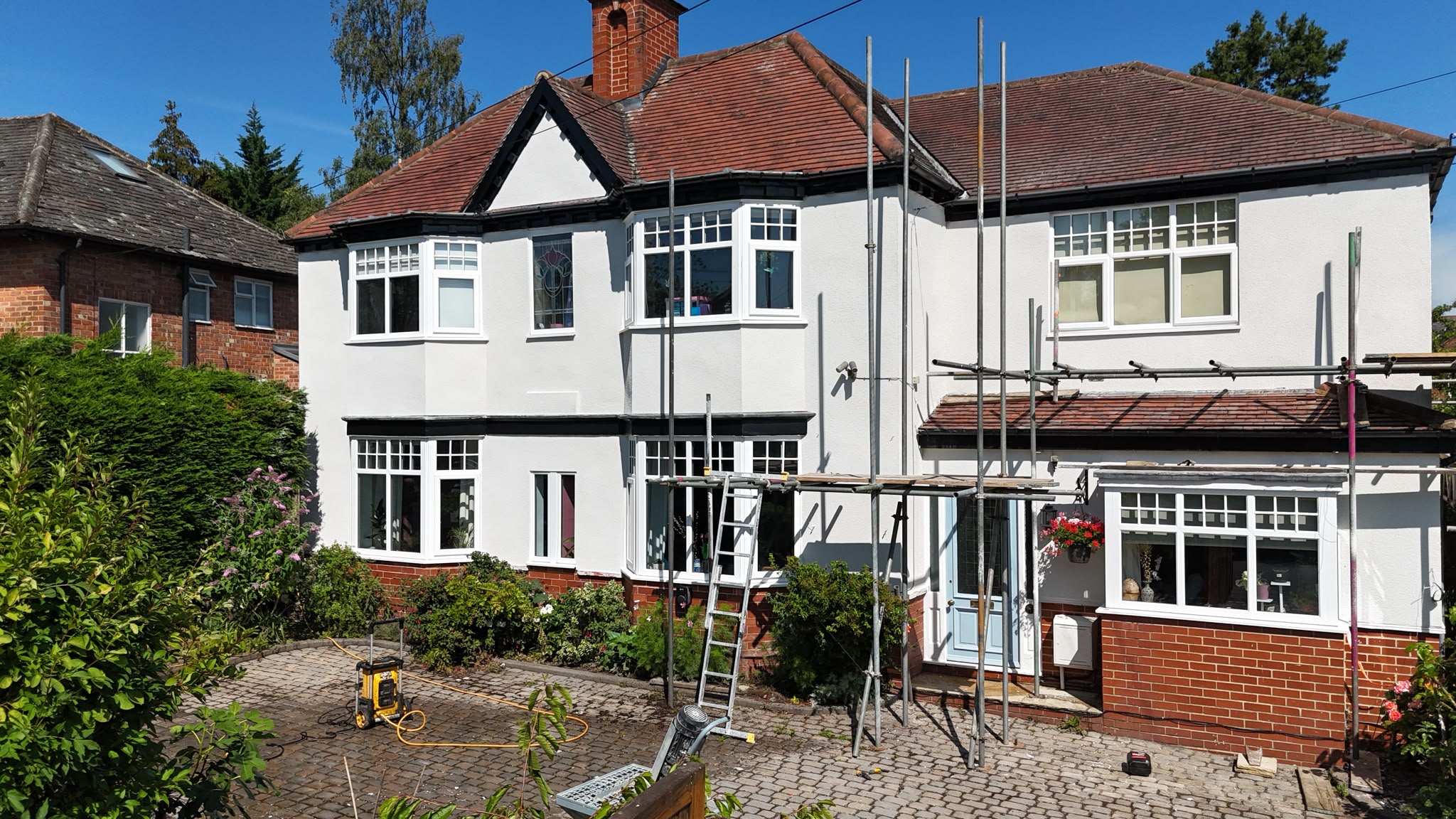
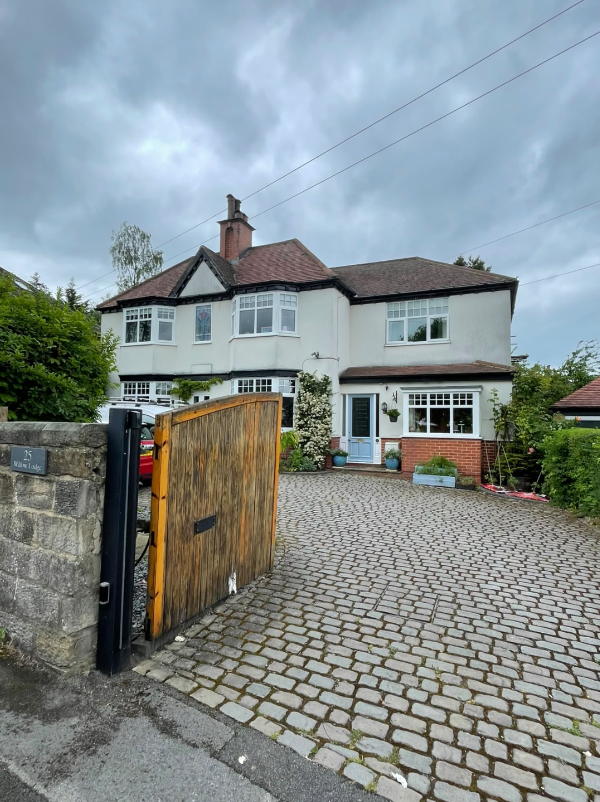
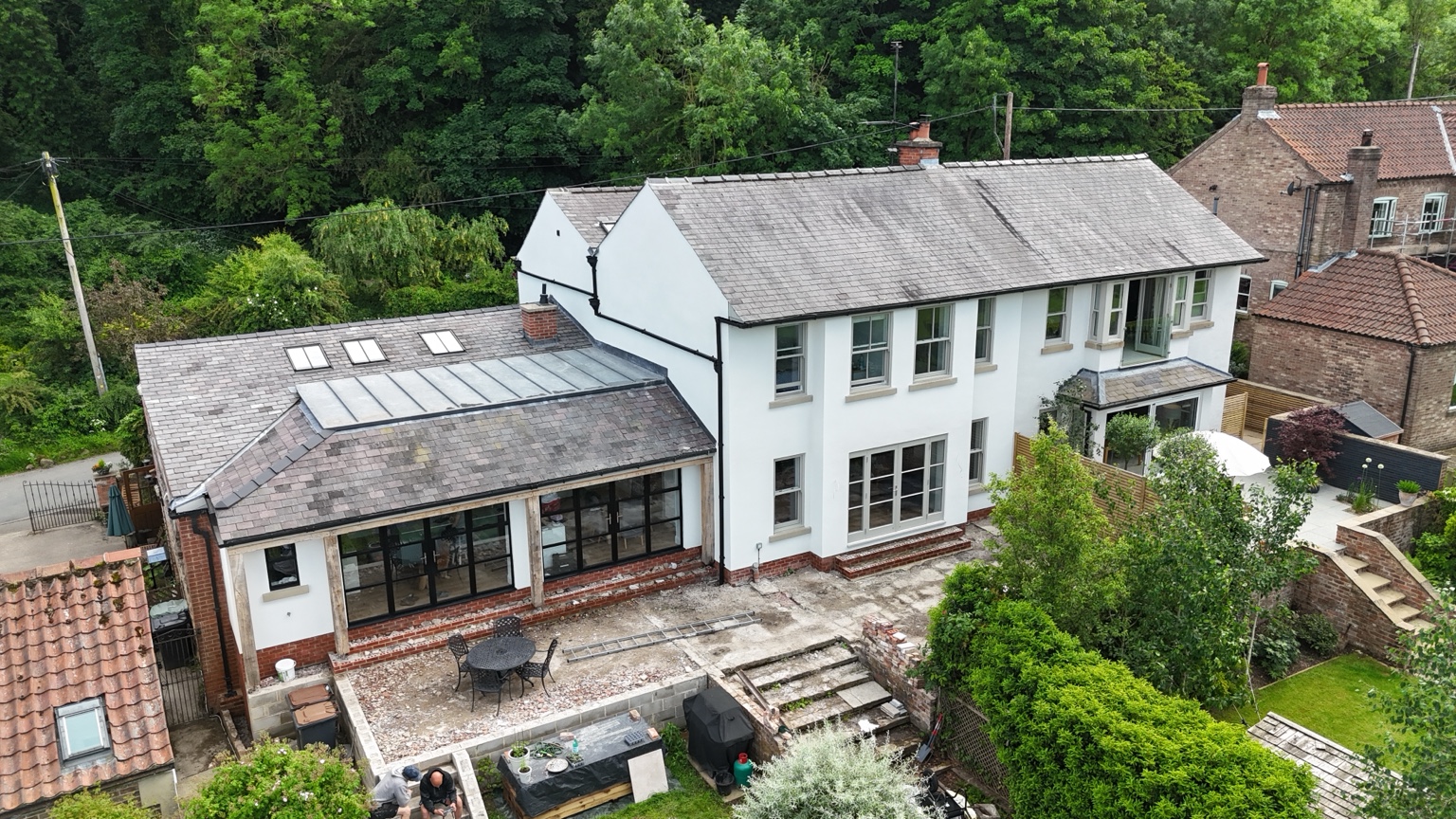
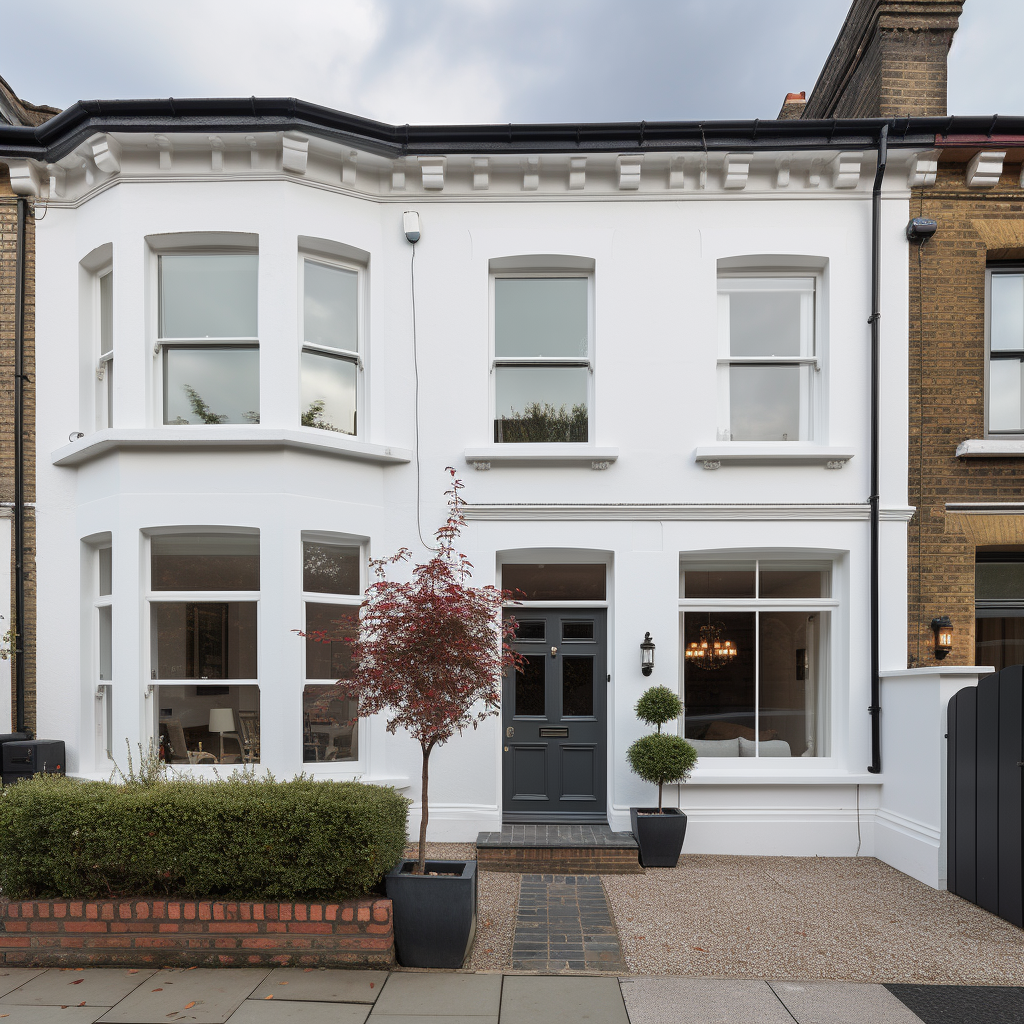
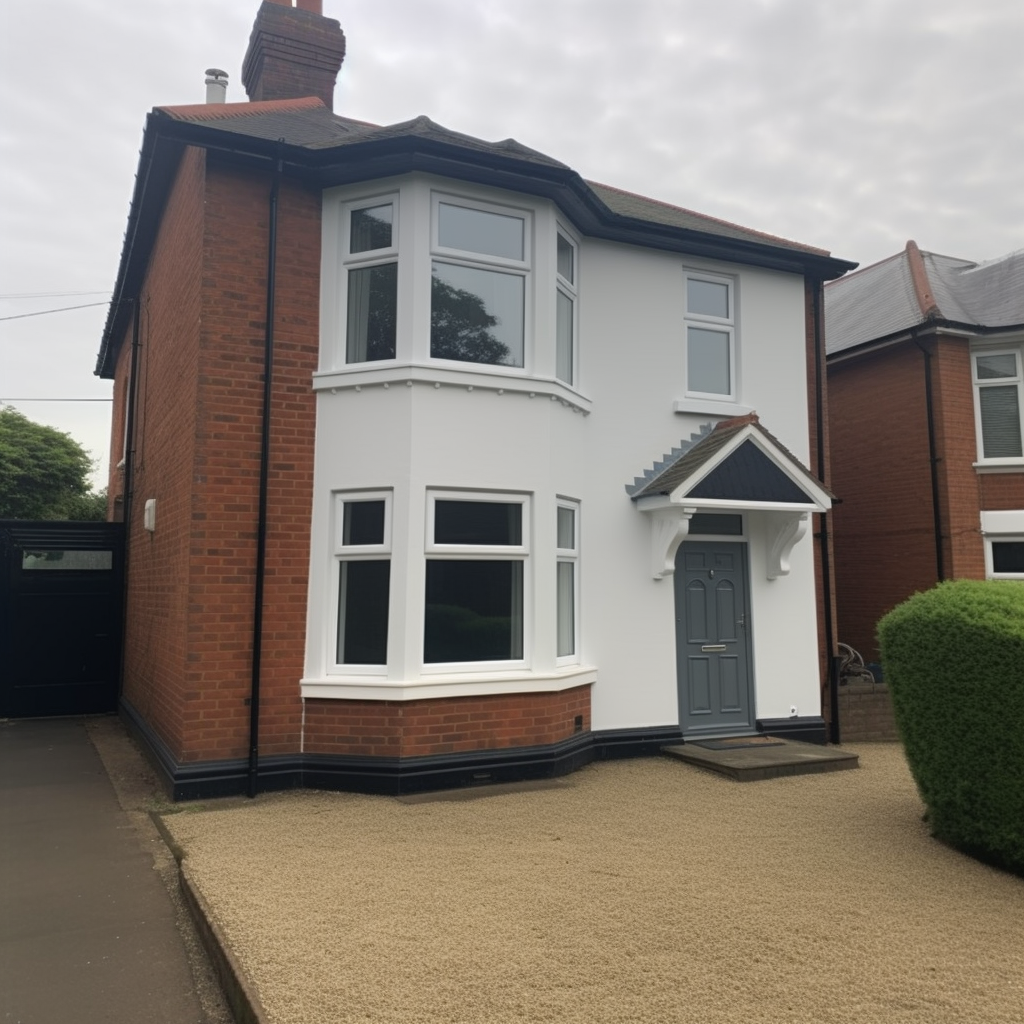
Kerb appeal improves quickly after rendering because the exterior looks cleaner and more contemporary. A fresh render can disguise weathering, stains and mismatched repairs, making the property look better maintained at a glance.
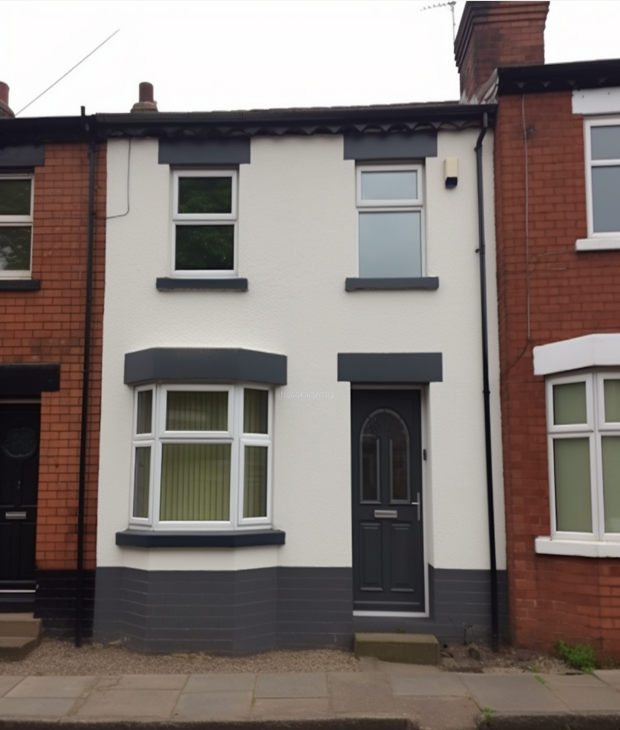
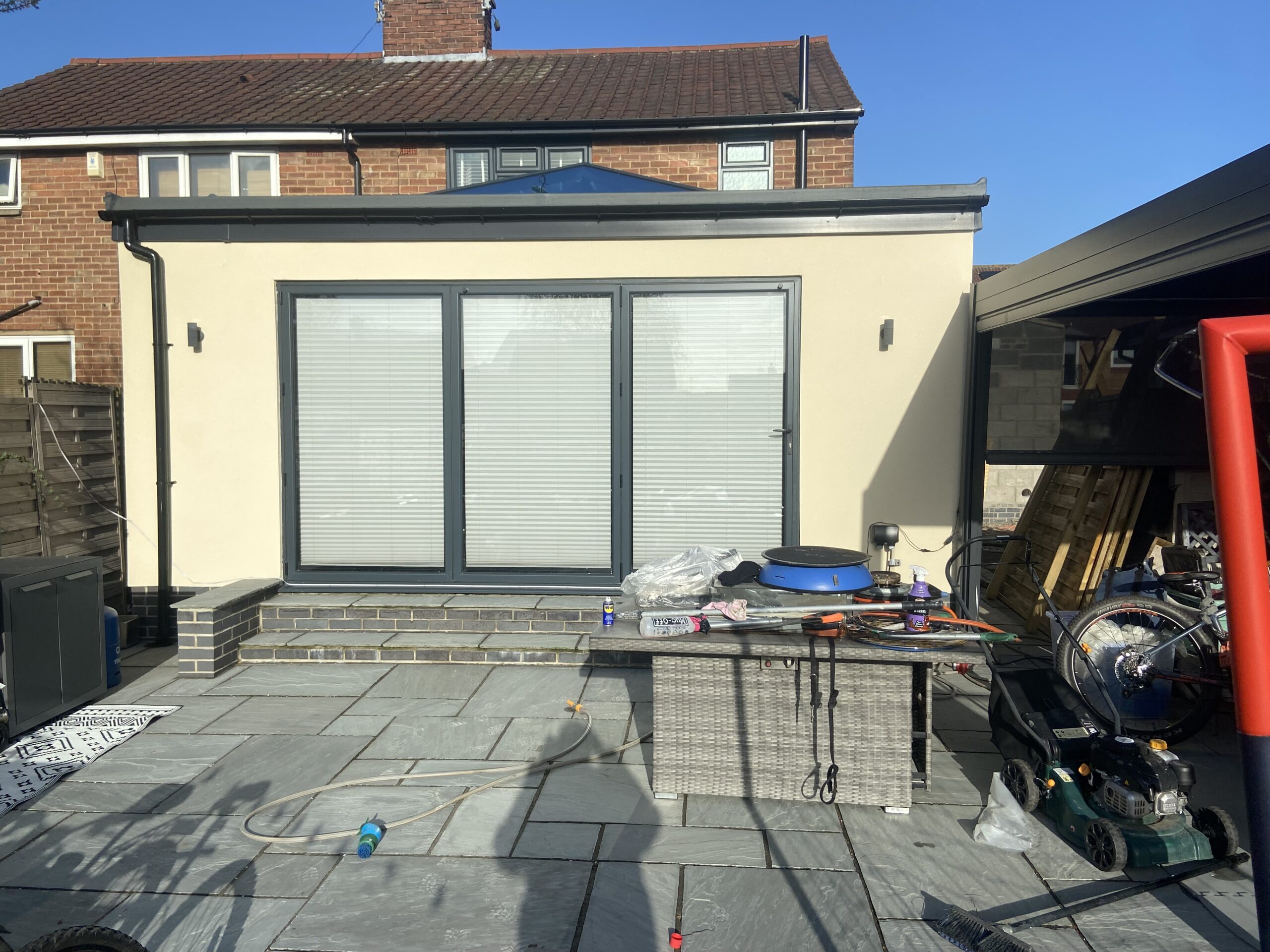
Visual choices matter: simple, neutral colours and smooth or lightly textured monocoque finishes suit a wide range of homes and attract most buyers. Front-only rendering delivers around 90% of the visual benefit for roughly 40% less cost than full restoration, making it a cost-effective option.
Consider complementary upgrades — repainted windows, new door furniture and tidy landscaping amplify the effect of render and help justify a higher asking price to prospective buyers.
Rendering can change your maintenance schedule, thermal performance and resale prospects. Think about upfront cost versus expected lifespan, which render type suits your walls, and common installation pitfalls that affect durability and appearance.
Long-Term Costs and Benefits
Rendering typically raises kerb appeal and can protect masonry from rain penetration, which may reduce damp repairs over time. You should budget for initial labour and materials, then factor in maintenance cycles: some acrylic and silicone renders need repainting or touch-ups every 10–15 years, while well-applied lime or monocouche renders can last longer with less frequent decoration.
Calculate payback by estimating energy savings if you add insulated render systems (ETICS). These systems improve U-values and can lower heating bills, but add 20–50% to installation cost compared with non-insulated render. Also check how rendering affects mortgage or surveyor valuations for your area; in some UK markets it can increase perceived value, but poorly executed work can reduce it.
Selecting the Right Render Material
Choose a render based on wall type, local climate and desired finish. Lime render suits older, breathable masonry; it allows moisture to evaporate and reduces trapping damp in solid walls. Cement-based render is robust and cheaper but less breathable, so avoid it on traditional brick or stone without a moisture strategy.
Monocouche and silicone renders give durable, pre-coloured finishes with strong water resistance — good for rainy regions. Acrylic systems are flexible and impact-resistant for modern builds. If you want improved insulation, specify an insulated render system (insulation boards plus render) and confirm compatibility with your wall substrate and existing damp-proof courses.
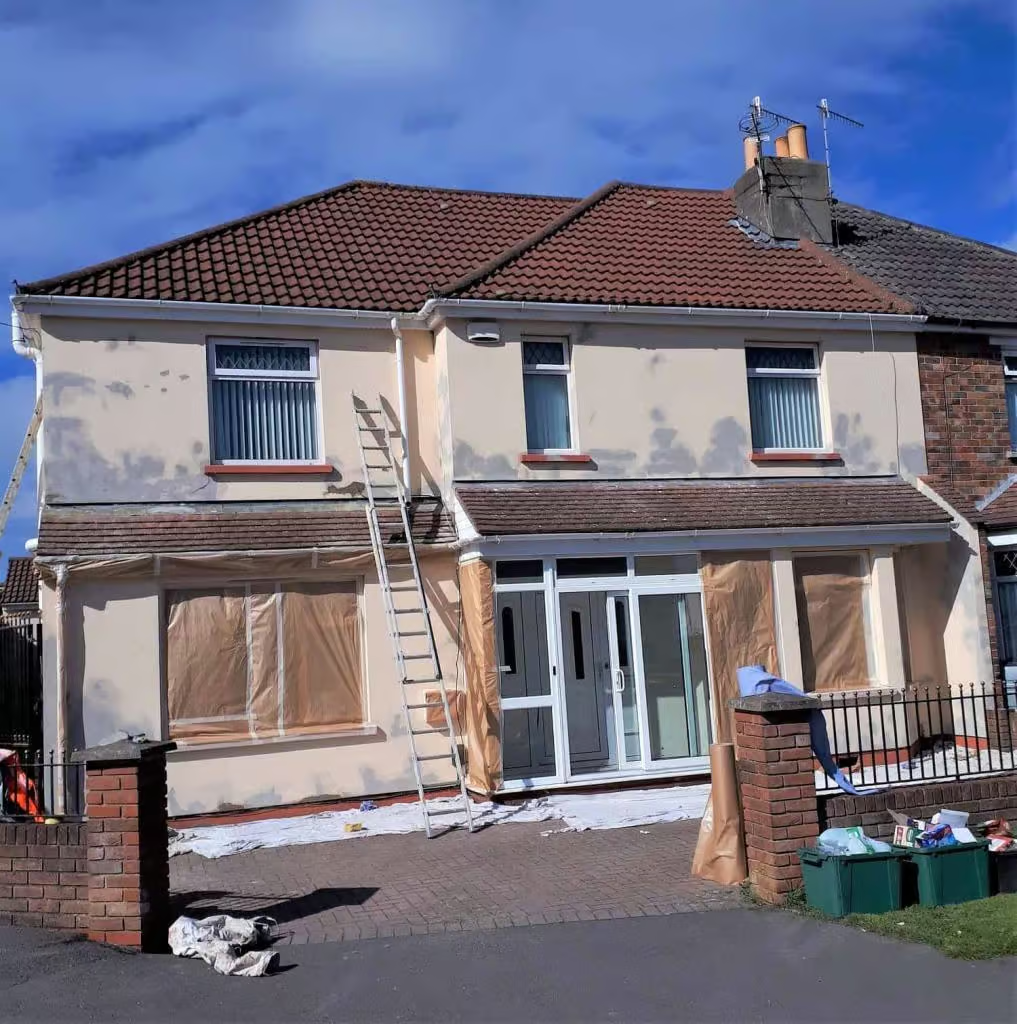
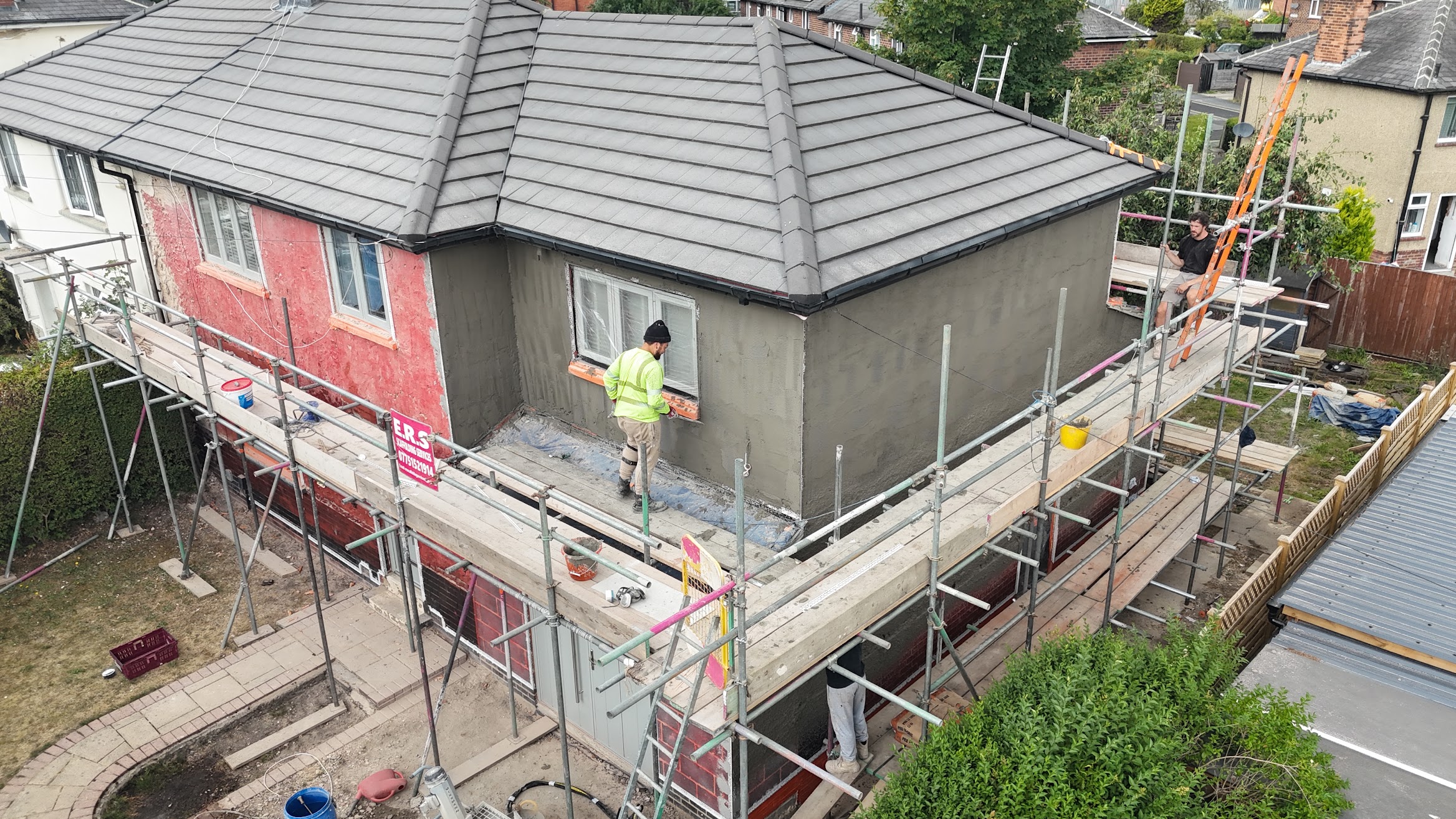
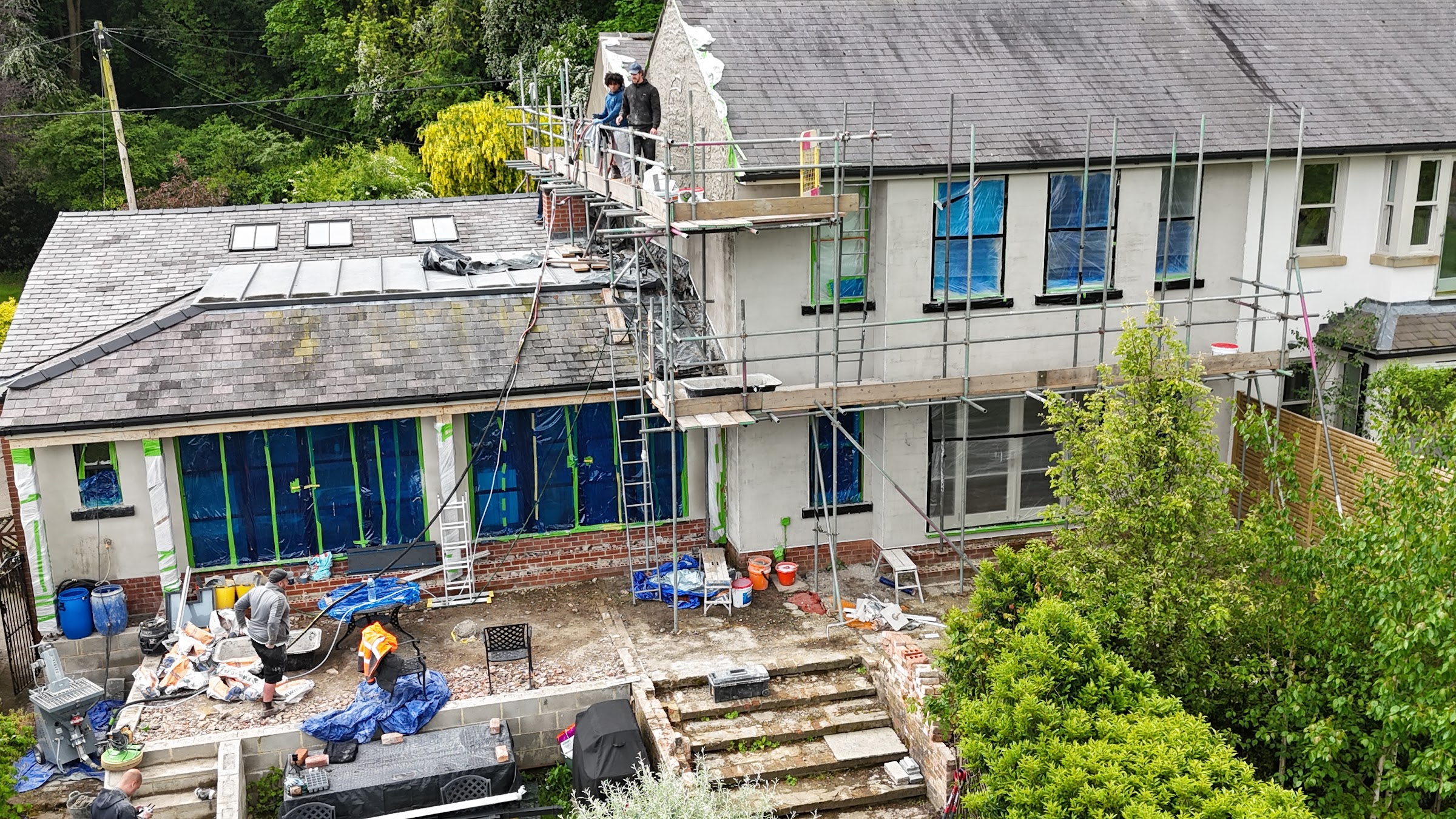
Poor preparation is the main cause of render failure. If your walls have loose mortar, salts, or rising damp, rendering will hide but not fix these issues. Always diagnose and remediate underlying problems before applying render.
Incorrect choice of render for the wall type, or applying render too thickly, leads to cracking and moisture entrapment. Hire installers who provide a written specification, sample panels and a warranty. Check for proper detailing at junctions (windows, eaves, ground level) and ensure adequate drying times between coats to avoid adhesion and mould issues.
Frequently Asked Questions
This section answers common concerns about value uplift, insulation gains, kerb appeal, running costs and wall longevity. Expect clear, evidence-based points you can use when choosing whether to render your home.
How does rendering impact the overall market value of a property?
Rendering can increase perceived value by improving external presentation, which often leads to higher buyer interest and quicker sales. Typical valuations vary by area and property type; selective work such as rendering street-facing walls often yields most of the kerb-appeal benefit while lowering costs.
The exact uplift depends on local market expectations and quality of finish. Poor or outdated render can reduce appeal, so professional preparation and application matter for resale value.
What are the thermal benefits of rendering a home?
A rendered finish can include insulated render systems or be combined with external insulation boards, which reduce heat loss through walls. You can expect lower heating demand and more stable internal temperatures when appropriate insulation forms part of the render system.
Standard non-insulated render adds only marginal thermal benefit on its own. For meaningful energy savings, choose insulated render or pair rendering with other cavity or loft insulation improvements.
Can rendering improve the external appearance and attractiveness of a property?
Yes. Rendering provides a clean, uniform finish and comes in a wide range of textures and pre-colours to suit contemporary and traditional styles. Many homeowners render only prominent elevations (for example, the street-facing side) to maximise kerb appeal cost-effectively.
A well-executed render signals a well-maintained property to buyers. Conversely, cracked or poorly maintained render can harm attractiveness, so choose quality materials and skilled installers.
For homeowners looking for silicone render in York, this type of system is popular because it combines weather protection with breathability, making it well suited to UK properties.
What are the long-term financial advantages of investing in property rendering?
Long-term advantages include potential resale premium, reduced external maintenance costs, and lower repair bills from weather damage prevention. Durable modern renders resist dirt and algae, cutting repainting and cleaning frequency compared with painted brickwork.
Initial costs vary by material and preparation needs, but many homeowners recoup a portion of the expense through faster sales or modest value uplift — especially where rendering addresses visible defects or outdated facades.
How does rendering affect maintenance and durability of external walls?
Rendering protects masonry from rain ingress, wind-driven moisture and surface erosion when correctly applied. High-quality renders and protective coatings prolong wall life and reduce the need for frequent repairs to brickwork or pointing.
Maintenance requirements differ by render type; breathable lime renders suit older buildings but need different upkeep to polymer-based systems. Regular inspections and timely repairs of cracks prevent moisture problems and extend service life.
For homeowners looking for silicone render in Harrogate, this type of system is popular because it combines weather protection with breathability, making it well suited to UK properties.
In what ways can rendering contribute to energy efficiency in a home?
When you use an external wall insulation system with render, you cut thermal bridging and increase overall wall U‑values, which reduces heating energy use. Insulated render systems are particularly effective on solid-wall properties where internal insulation would reduce floor space.
Combined with draught-proofing and efficient heating, rendering with insulation contributes to lower energy bills and improved SAP or EPC ratings, which can be attractive to buyers and renters.
We’re here to make your rendering project simple and stress-free. Whether you’re curious about silicone render, need advice on monocouche finishes, or want help choosing the right system for your Yorkshire property — our team is always happy to help.
If you can’t find the answer below, just get in touch and we’ll guide you through it.
Silicone is flexible, breathable and highly water-repellent — great for refurb and long-term colour. Monocouche is a durable through-colour render with a crisp texture that doesn’t require painting.