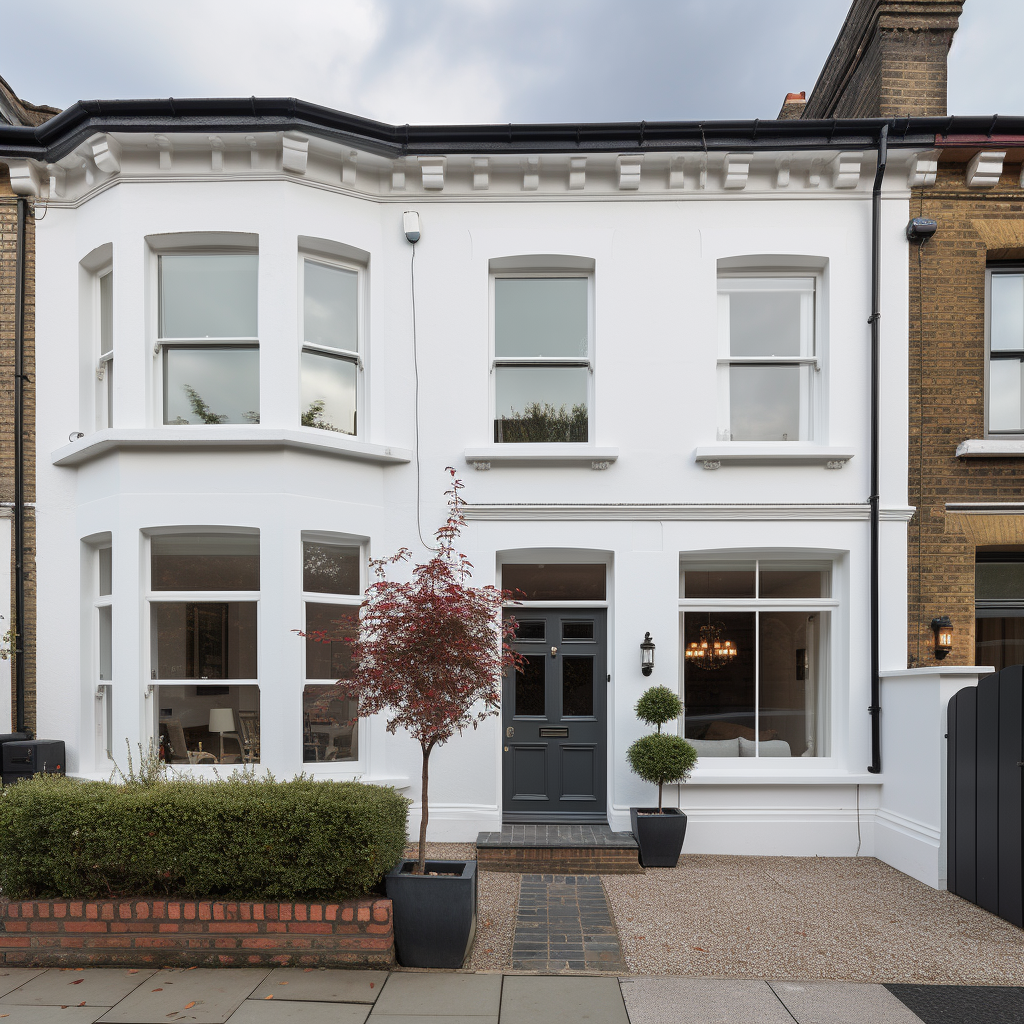
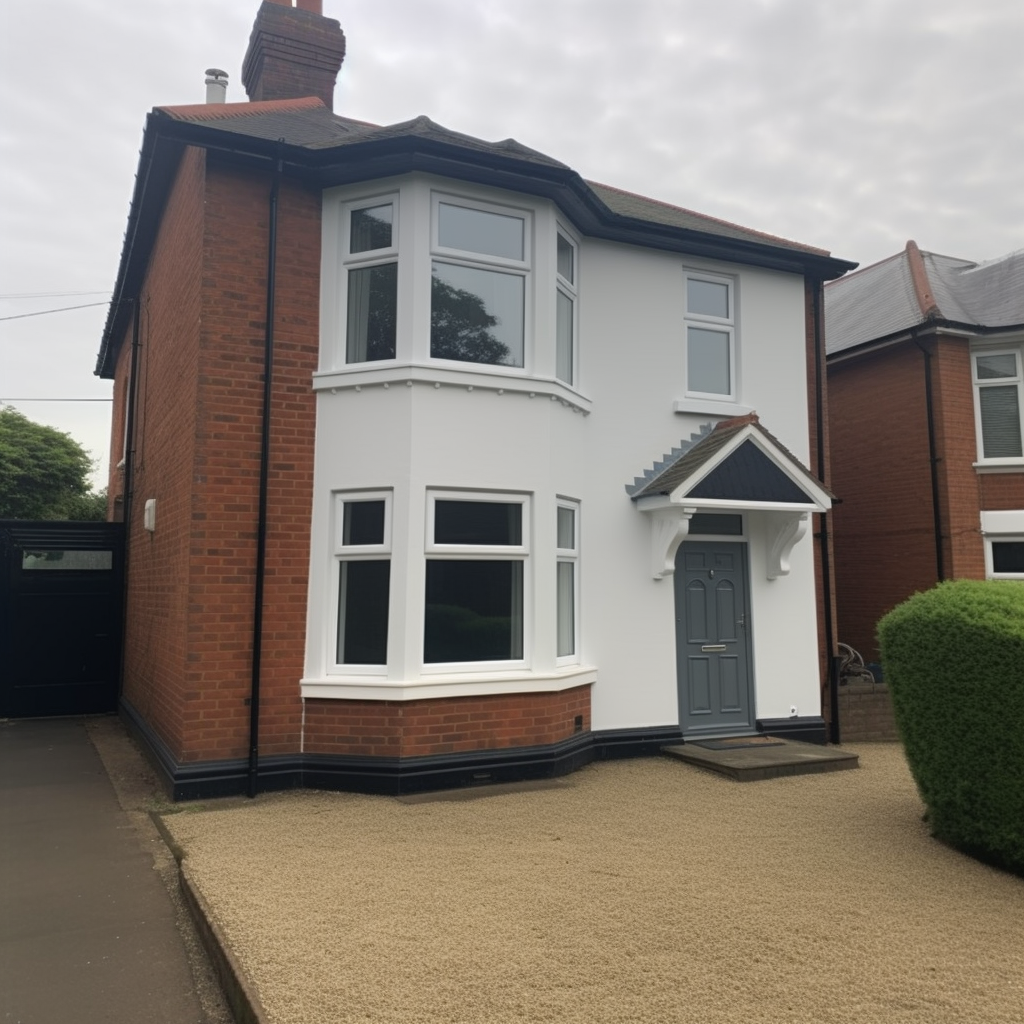
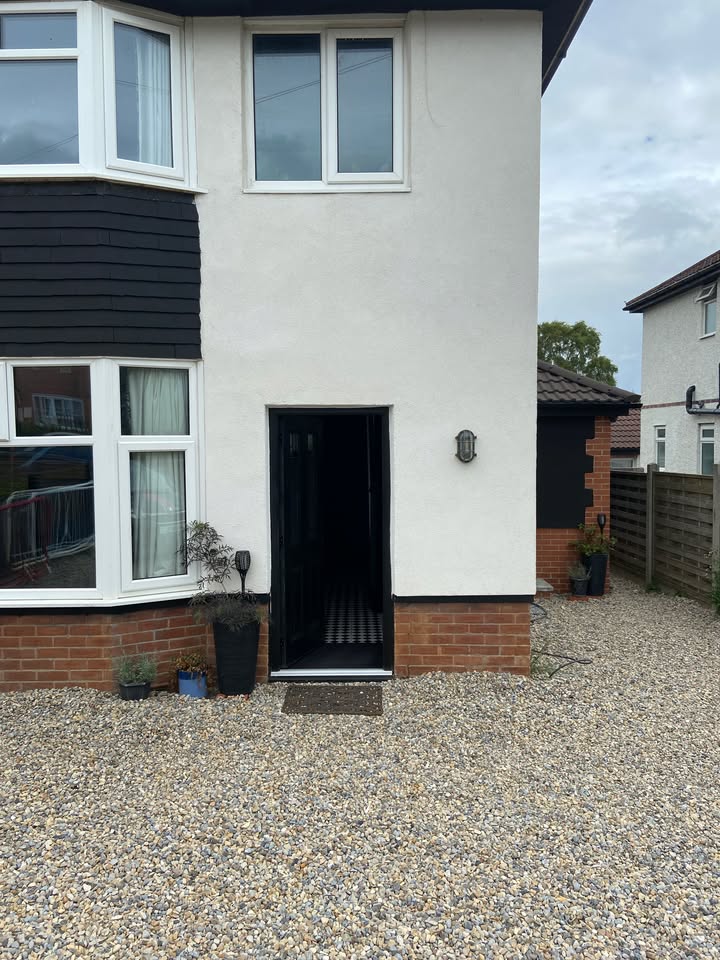
You want a clear figure and practical guidance. Expect to pay roughly £30–£100 per m² for professional house rendering in the UK, with typical whole-house jobs ranging from about £3,000 for small homes up to £12,000 or more for larger or more complex properties depending on the render type and access.
This article breaks down costs by render type (sand-and-cement, silicone, acrylic, pebble dash, and insulated systems), explains the key factors that push prices up or down, and answers the common questions that affect your budget and timeline. Keep reading to compare materials, spot hidden costs, and decide which option matches your goals and wallet.
House Rendering Costs in the UK by Render Type
Costs vary by material, labour intensity, and preparation needs. Expect a range from budget cement mixes to higher-priced silicone and monocouche systems, with typical UK rates expressed per m² and additional charges for scaffolding, repairs and finishing.
Cement Render Cost Breakdown
Cement render is the most economical option, typically costing between £30–£55 per m² for materials and labour on straightforward walls. You’ll often pay more if the substrate needs extensive repair or if you want a multi-coat sand/cement finish. Labour is the biggest variable — a skilled crew can complete average semi-detached elevations in 5–8 days, whereas complex façades push time and cost up.
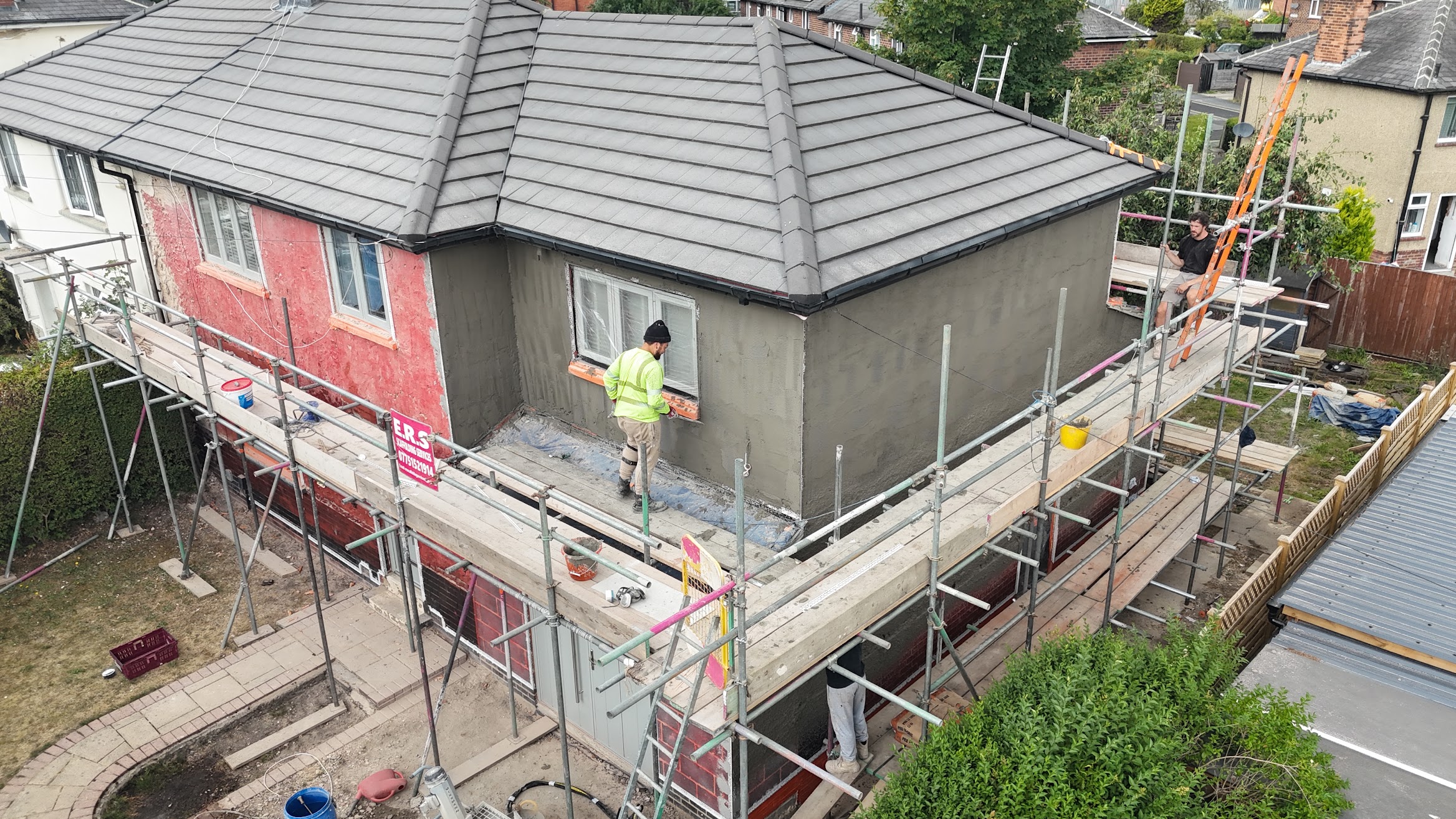
Cement render advantages include durability and good adhesion on brick or block. Downsides you should budget for: it’s porous (needs repainting or a waterproof topcoat) and can crack without proper reinforcement or control joints. Factor in scaffold hire (£150–£400 depending on duration) and waste disposal.
Monocouche Render Pricing
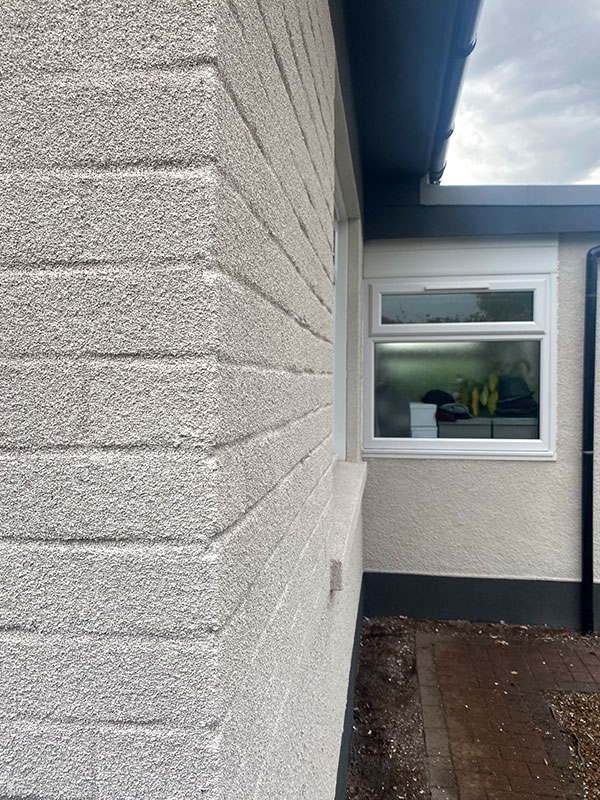
Monocouche is a single-coat, through-coloured render commonly used for a durable, decorative finish. Expect typical prices of £45–£90 per m² installed, with the upper end for textured or coloured bespoke finishes. Preparation matters: removing old render or stabilising friable walls increases the quote. Application requires a competent renderer to achieve a uniform colour and texture, so labour rates are often higher than for cement.
Monocouche reduces ongoing maintenance because the colour penetrates the render, so you normally avoid frequent repainting. However, repairs must match the original mix and colour, which can be costly if matched poorly. Ask for colour samples and a written warranty.
Silicone Render Expenses
Silicone renders command a premium for weather resistance and breathability. Installed costs generally fall between £60–£110 per m² depending on brand, finish and complexity. You’ll pay extra for silicone systems that include insulated backing boards (ETICS), which improve U-values but add both material and labour costs. These systems are typical in areas exposed to driving rain or for properties where low maintenance is a priority.
Silicone’s low water absorption keeps façades cleaner and reduces staining. Consider long-term savings on cleaning and repainting when comparing upfront cost. Check for manufacturer warranties and ensure installers are approved for the specific silicone product to preserve coverage.
For homeowners looking for silicone render in York, this type of system is popular because it combines weather protection with breathability, making it well suited to UK properties.
Acrylic Render Cost Comparison
Acrylic render provides a flexible, lower-crack-risk finish and usually costs £40–£85 per m² installed. Prices vary by finish — smooth acrylic tends to sit lower on the scale, while patterned or pigmented finishes increase the quote. Acrylic is ideal for minor movement-prone walls and for achieving crisp, colourful finishes. It adheres well to existing renders and is faster to cure than cement, often reducing labour time on simple jobs.
Watch for thinner-film acrylics; they can require more frequent maintenance than silicone or well-applied monocouche. If you want a coloured, decorative façade with moderate maintenance needs, acrylic offers a middle-ground balance of cost and performance.
Key Factors Affecting House Rendering Prices
These are the main cost drivers: how much wall area and detailing you have, where the property sits and local labour costs, and what access or preparatory work the job requires.
Property Size and Complexity
The total square metreage of external wall you need rendered is the primary cost driver. Larger areas give economies of scale on materials and setup, while small jobs often carry a higher price per m² because fixed costs (scaffolding, travel, minimum call-out) are spread over fewer metres.
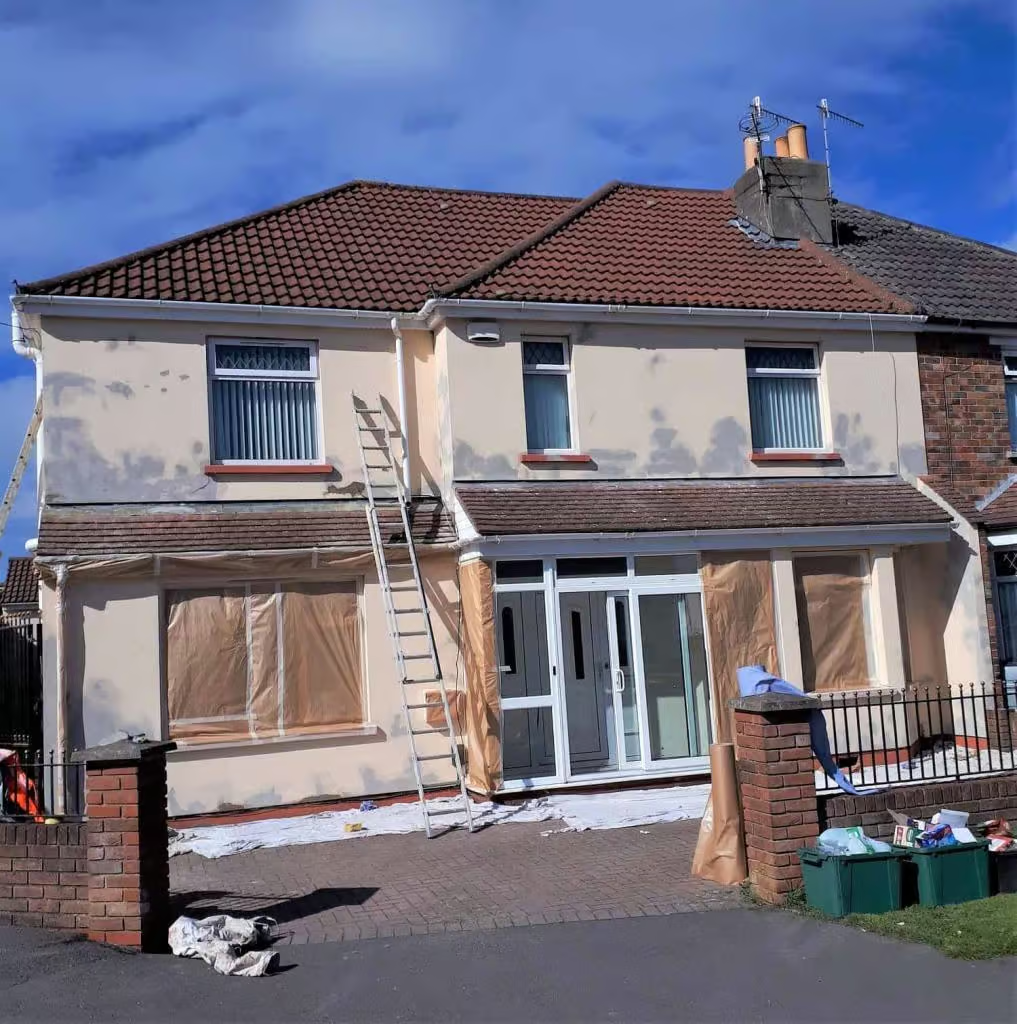
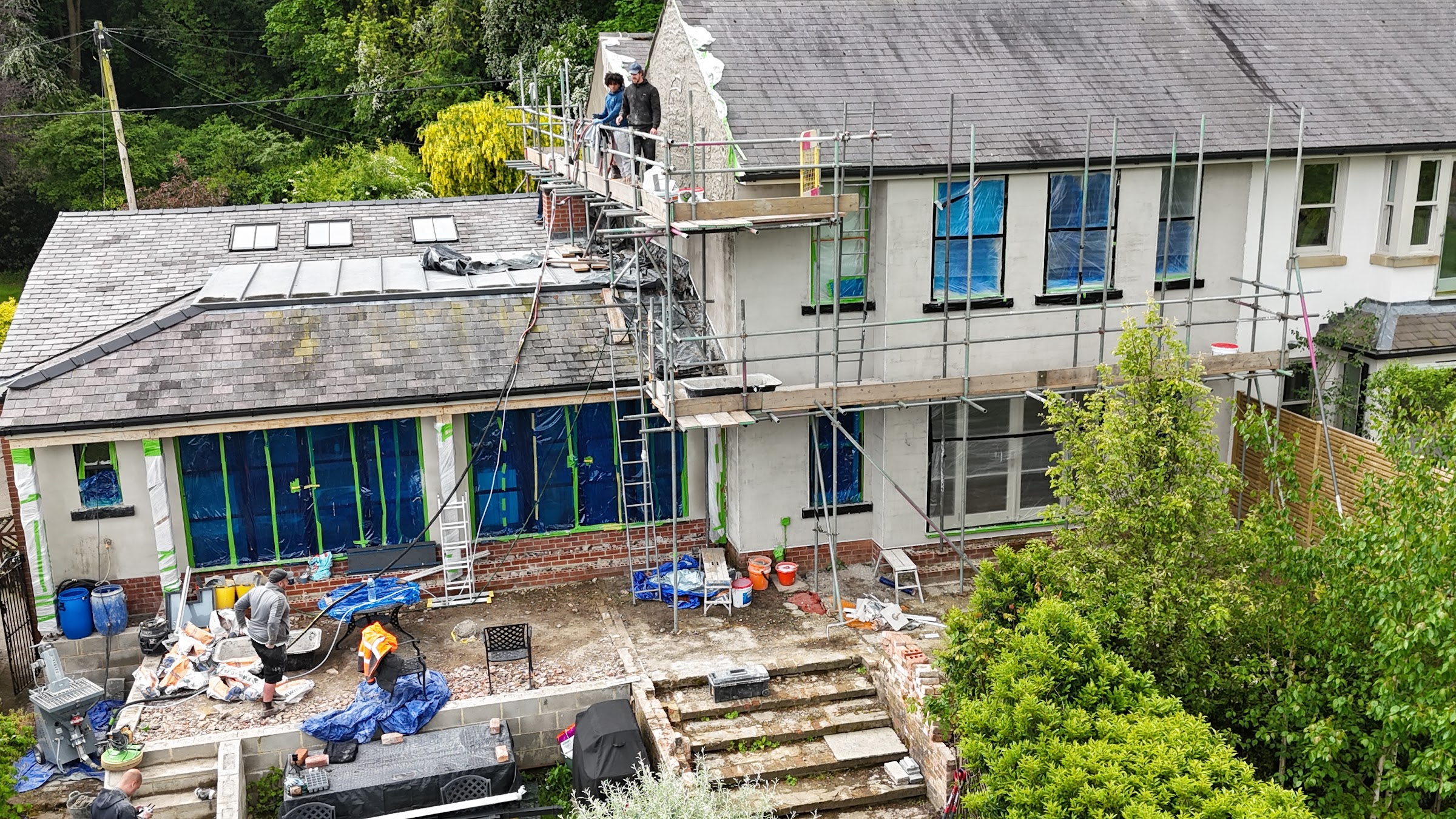
Complexity raises labour time. Bay windows, multiple rooflines, conservatory joins, and decorative features require cutting, backing coats, patching and more precise finishing. Corner details and window reveals add time and material waste. Ground-floor render differs from high-level work because of different scaffolding and safety requirements, which feed back into the final quote.
Labour Rates and Location
Labour typically accounts for around half of the total cost, so local hourly or day rates matter to your quote. In London and the South East you should expect higher labour charges than in northern regions or rural areas. Specialist finishes — for example silicone or monocouche textured coats — need skilled applicators and attract premium labour rates.
Also check whether contractors include VAT, insurance and guarantees in their labour line. Contractors with longer guarantees or NHBC/industry affiliations may charge more but provide stronger recourse if defects appear. Obtain at least three detailed quotes to compare labour hour assumptions and allowances for contingencies.
For homeowners looking for silicone render in Harrogate, this type of system is popular because it combines weather protection with breathability, making it well suited to UK properties.
Access and Preparation Work
Good access reduces time and cost. If operatives can erect standard scaffolding from level ground you’ll pay less. Restricted access (narrow streets, terraced alleys, rear gardens requiring gantries or hoists) adds scaffold labour and plant hire charges. Working at height increases risk and cost due to additional safety measures.
Preparation often uncovers extra work: removing old render, repairing cracked brickwork, treating damp or replacing rotten timber battens. These tasks add materials and specialist trades (masonry repair, damp treatment). Quotes should list preparatory items separately so you can see what’s optional versus essential.
Frequently Asked Questions
This section gives precise cost ranges, the main drivers of price, and common extras you should budget for. Expect figures per square metre, typical labour rates, and examples of where costs rise or fall.
What are the average costs associated with different types of house rendering?
Sand and cement render commonly costs between £30 and £60 per m² for materials and basic labour on straightforward walls. Monocouche or silicone renders typically sit between £40 and £90 per m² because they combine finish and colour in one coat and often need skilled applicators.
Cement‑based scratch or float finishes can be at the lower end, while insulated render systems (ETICS) range from about £70 to over £120 per m² due to the added insulation boards and fixings. Spray or specialist textured finishes (including SprayCork or decorative renders) usually command higher rates because of equipment and waste handling.
Can the size and location of a property affect the overall rendering price?
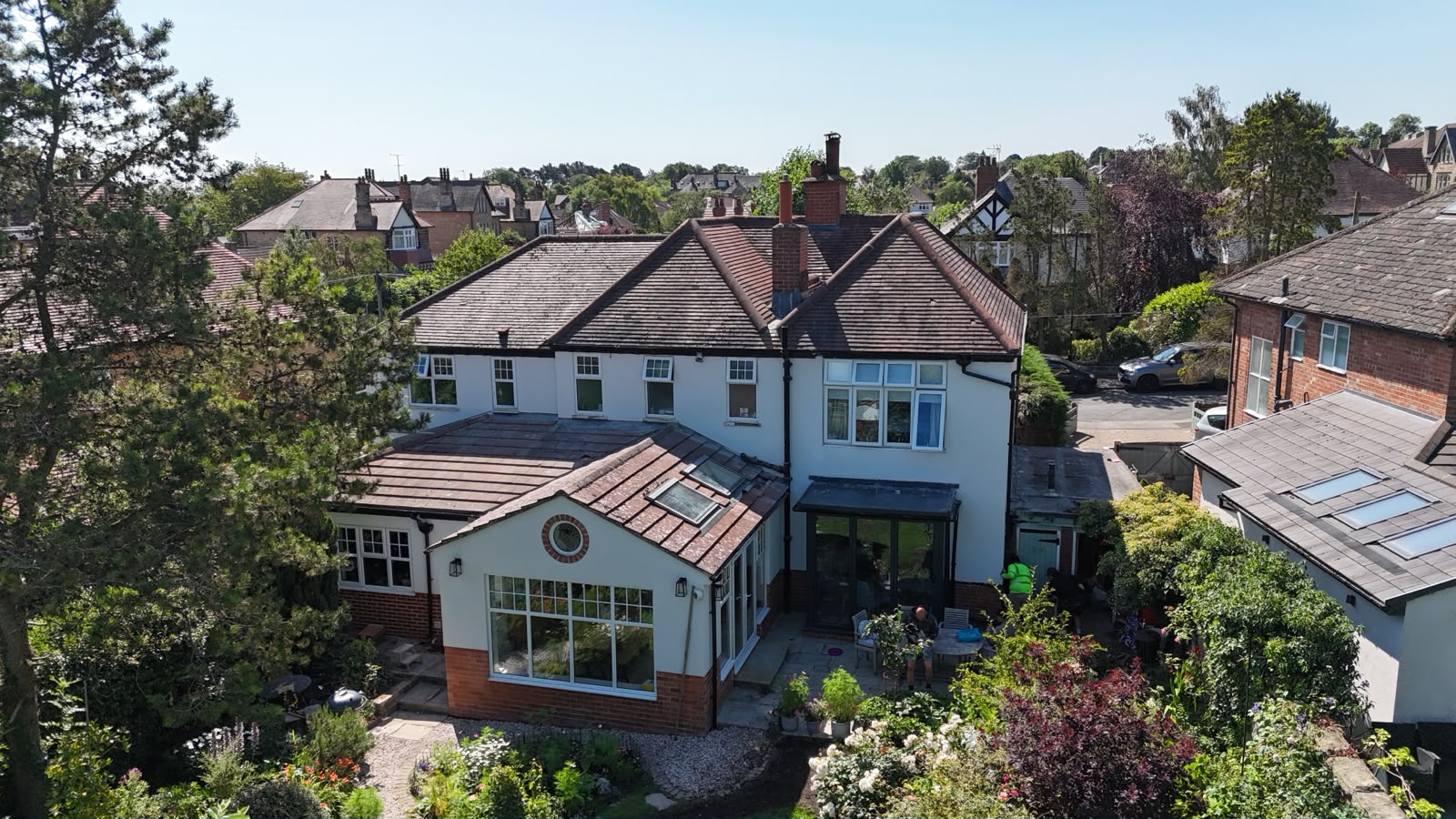
Yes. Larger properties spread fixed costs but increase total material and labour expenditure; a detached house often costs several thousand pounds more than a small terraced property. Access difficulties, scaffolding requirements and floor area complexity (bays, gables, chimneys) add labour time and scaffolding costs.
Location matters too: urban areas in the south and London tend to have higher labour rates, while rural or remote sites can attract travel surcharges and longer job durations.
What additional expenses should be factored into the total cost of rendering a house?
Scaffolding hire is a common extra and can add £300–£1,500 depending on property height and duration. Preparation work such as removing old render, repairing joints, treating damp or remediating pebble dash can add several hundred to several thousand pounds.
Decorative topcoats, silicone sealants, drip beads, and finishing trims cost extra, as do rubbish removal and skip hire. If your property is listed or in a conservation area you might face specialist requirements and associated fees.
How does the choice of materials impact the price of exterior rendering?
Higher‑performance materials (silicone, monocouche, or insulated systems) cost more upfront but reduce long‑term maintenance and improve weather resistance. Standard sand and cement mixes are cheaper but may require more frequent repainting or patch repairs.
Pigmented monocouche eliminates the need for painting, saving repeat costs, whereas insulated render systems add both material and fitting expenses but improve energy efficiency and may qualify for certain grants or incentives.
Are there any cost variations for rendering services across various regions in the UK?
Yes. Labour rates and contractor availability vary by region; London and the South East typically show the highest prices. Northern areas and some parts of Scotland often have lower average labour costs, though material delivery and specialist trades can offset some savings.
Local demand, competition among contractors, and transport logistics all influence regional price differences you’ll see in quotes.
What is the financial difference between DIY rendering and hiring professional renderers?
DIY material costs may range from £30–£60 per m² for basic mixes, but expect longer completion times and a higher risk of finish issues that lead to future repairs. Hiring professionals typically raises costs to £40–£120+ per m² depending on system and finish, but you gain faster completion, guaranteed workmanship, and correct substrate preparation.
Factor in your skill level, time, safety (scaffolding and working at height), and potential rework costs. For complex or tall properties, professional work usually represents better value.
We’re here to make your rendering project simple and stress-free. Whether you’re curious about silicone render, need advice on monocouche finishes, or want help choosing the right system for your Yorkshire property — our team is always happy to help.
If you can’t find the answer below, just get in touch and we’ll guide you through it.
Silicone is flexible, breathable and highly water-repellent — great for refurb and long-term colour. Monocouche is a durable through-colour render with a crisp texture that doesn’t require painting.