Does House Rendering Stop Damp? What Rendering Can — and Can’t — Fix: Clear Guidance on Causes, Limits and Practical Solutions

You want a clear answer: rendering can prevent and stop some types of damp, but it won’t fix everything. Rendering creates an extra weatherproof layer that reduces penetrating damp when the right render is chosen and applied correctly, yet it won’t cure rising damp caused by a faulty damp-proof course or condensation from poor ventilation.
Keep reading to learn which renders work best for which problems, how to spot when rendering alone won’t help, and what steps you should take before spending money on a new finish.
Can Rendering Prevent or Stop Damp?
Rendering can create a weather-resistant outer layer that reduces water penetration through walls, but its effectiveness depends on the damp type, wall condition, and render system chosen. Correct diagnosis and suitable materials are essential for success.
How House Rendering Works Against Moisture
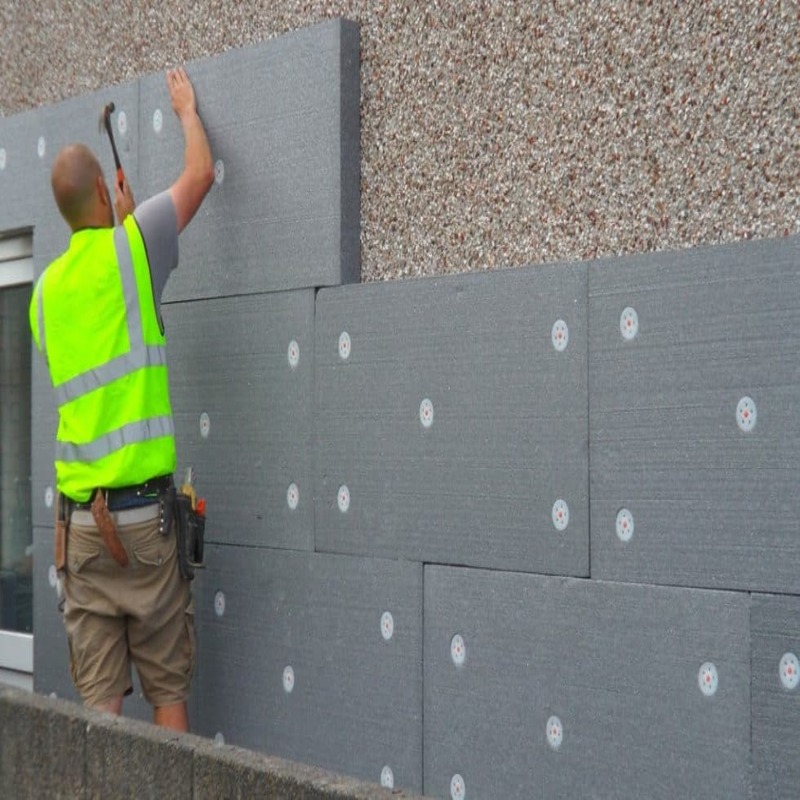
Rendering bonds to your external wall to form a continuous protective coat that sheds rain and seals hairline cracks. Breathable renders (lime or some acrylics) let trapped vapour escape while repelling liquid water; non-breathable cement-rich renders block water but can trap moisture behind them if applied to unsuitable substrates.
Professional installers usually build a layered system: base coat, reinforcement (e.g. fibreglass mesh), and a weatherproof topcoat such as silicone or acrylic. Detailing at junctions, window reveals and eaves is vital; poorly sealed joins are common failure points. Drainage, flashings and a sound damp-proof course need to be in good order before rendering is applied.
Types of Damp Addressed by Rendering
Rendering most reliably prevents penetrating damp caused by rainwater driving through porous brick, crumbling mortar or surface defects. It also reduces wind-driven rain ingress on older solid-wall properties and limits water entry through small cracks or failed external coatings.
Rendering will not directly repair structural defects or a failed damp-proof course. For rising damp, rendering can be used in conjunction with specialist remediation (e.g. DPC replacement or chemical injection) and a breathable finish. Condensation-related mould on the inside requires ventilation and humidity control, not external render.
Limitations of Rendering for Damp Prevention
Rendering cannot fix moisture coming from ground rising past a missing or damaged damp-proof course; applying render over rising damp can trap salts and worsen plaster decay. Similarly, if wall cavities are saturated, insulation or cavity drainage need attention before rendering.
Choosing the wrong render type or poor workmanship causes problems: impermeable renders on salt-contaminated walls increase internal damp, while inadequate joint detailing leads to water ingress. You must ensure substrate repair, correct material selection (breathable vs. waterproof), and competent installation for rendering to help rather than hinder damp control.
Choosing Appropriate Rendering Solutions
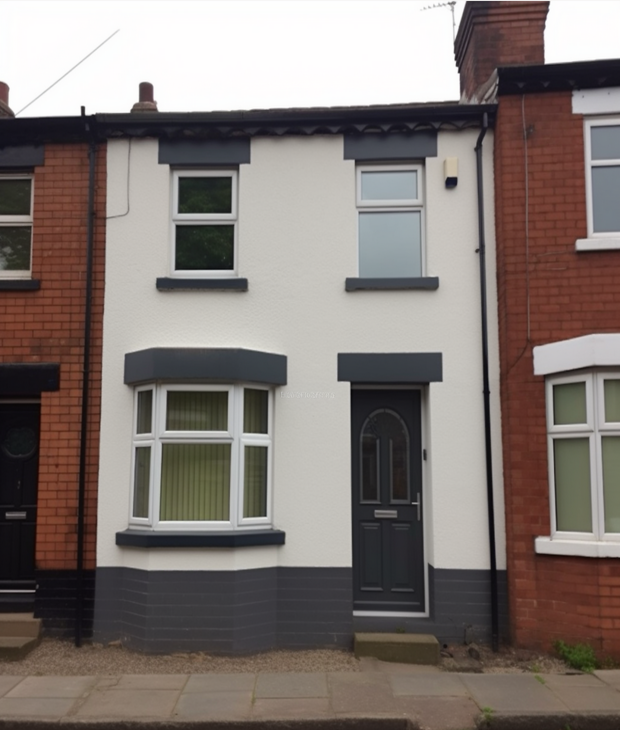
Choose a render system that blocks rain penetration, allows moisture from the wall to escape, and matches your budget and maintenance willingness. Focus on material compatibility with your wall substrate, correct detailing at ground level and openings, and planned maintenance intervals.
Best Render Types for Damp-Prone Properties
Select breathable renders where rising or trapped moisture is a risk. Lime-based and traditional lime-cement mixes allow water vapour to pass through, reducing internal condensation and salt build-up in masonry. Use lime render on older, softer brick or stone; it accommodates movement and salts without trapping moisture.
Use cement-rich or polymer-modified renders only on sound, low-permeability walls and where you have effective damp-proof measures. Silicone or silicate thin-coat renders provide strong water repellence and weathering resistance for above-ground walls, but can trap moisture if applied to damp substrates or below DPC level.
Consider insulated render systems (ETICS) for thermal upgrade, but ensure cavity/drainage details are correct. For coastal or high-rain locations choose render with fungicidal additives or slick finishes to limit algae and salt spray damage.
Rendering Application and Installation Factors
Surface preparation decides performance. Remove loose material, treat active penetrating damp sources, and ensure wall salts are dealt with before rendering. Apply a suitable primer or scratch coat where manufacturer specifies to improve adhesion and compatibility.
Detail junctions correctly: DPC height, movement joints, window and door reveals and overflows must be installed to prevent water ingress and allow drainage. Layer thickness and curing times must match the chosen render — too thin causes cracking, too thick causes debonding.
Use experienced installers who follow manufacturer instructions and British Standards (BS EN/BS 5262 as applicable). Inspect sample bays or test patches on different aspects of the building before whole-property application.
Common Issues and Maintenance Considerations
Watch for hairline cracks, delamination and blisters; these indicate movement, poor adhesion or trapped moisture. Small cracks can be re-pointed or sealed; large or recurring defects often require removing and re-applying render after resolving the underlying damp cause.
Plan routine checks every 1–3 years, focusing on base of wall, window sills and abutments. Repaint or re-seal breathable finishes only with compatible products — non-breathable paints can trap moisture and accelerate damage.
Keep gutters, downpipes and ground levels maintained to reduce splashback and saturation. Document the render type and installer details; that helps choose correct repair materials and keeps warranty terms valid.
Frequently Asked Questions
Rendering can block rain penetration, improve thermal performance, and cover surface defects when applied correctly. It cannot fix structural water paths, failed damp-proof courses or internal condensation without additional measures.
Can exterior rendering prevent damp penetration in homes?
Yes. Durable, water-repellent renders such as silicone or cementitious mixes create an external barrier that reduces rain-driven moisture reaching the masonry.
Correct detailing at rooflines, windows and junctions is essential; poor joints or cracks will let water past the render.
What issues are resolved by applying render to a building's exterior?
Rendering can seal porous brickwork, cover hairline cracks, and protect lime or soft mortar walls from direct rainfall.
It also improves thermal performance slightly when combined with insulated render systems and gives a uniform finish that simplifies maintenance.
Is rendering a suitable solution for rising damp?
No. Rising damp results from groundwater wicking up through masonry due to a failed damp-proof course or no DPC.
Rendering will mask salt staining and damp patches temporarily but does not stop the capillary action driving rising damp; you must address the DPC and salts first.
What are the limitations of rendering in damp proofing?
Render cannot repair structural defects such as leaking gutters, blocked drains, or failed cavity wall ties that allow water entry.
It also will not eliminate internal condensation caused by poor ventilation or excessive indoor humidity.
How does rendering protect against external moisture ingress?
Water-repellent renders shed rain and reduce water absorption by the wall face, lowering the volume of moisture that reaches the substrate.
Breathable render mixes allow water vapour to escape from the wall, helping avoid trapped moisture that could cause decay.
Which types of damp cannot be remedied by house rendering?
Rising damp, internal condensation and damp caused by plumbing leaks will not be resolved by external render alone.
Damp from penetrating defects such as roof failures, failed flashings or compromised DPCs also requires targeted repairs in addition to—or instead of—rendering.
