Silicone Render vs Monocouche Render: Which Is Best for UK Homes? — A Practical Guide for Property Owners

Deciding between silicone and monocouche render comes down to what your home needs: durability and traditional strength from monocouche, or flexibility and better crack resistance from silicone. If your property sits on shifting ground or has movement risk, silicone’s flexibility often makes it the more practical long‑term choice; if you want a robust, traditional render for a stable wall, monocouche remains a strong option.
Follow the article to compare performance, maintenance, costs and appearance so you can match the right render to your home’s age, construction and location. Practical tips and FAQs will help you make a confident, informed choice for your UK property.
Comparing Silicone Render and Monocouche Render for UK Homes
You’ll see differences in composition, flexibility and long‑term maintenance that affect suitability for older stock, timber frames or coastal properties. Choose based on substrate, movement risk and desired finish.
Key Properties and Composition
Silicone render is a synthetic, polymer‑modified system with hydrophobic additives that repel water. It usually comes as a through‑coloured finish applied over a base coat or insulation board. That hydrophobic chemistry gives it flexibility and reduced water absorption compared with traditional cement mixes.
Monocouche is a cement‑based, through‑coloured render formulated to provide a single‑coat application. It is breathable and often used over blockwork or brick. Monocouche tends to be harder and less flexible than silicone systems, so it suits stable substrates but can show hairline cracks where movement occurs.
If your building is timber or steel framed, silicone’s flexibility and adhesion are useful. For new masonry or blockwork with minimal expected movement, monocouche gives a resilient, durable finish.
Weather Resistance and Durability
Silicone render resists driving rain and sheds water quickly because of its hydrophobic surface. That makes it particularly effective on exposed sites, coastal locations and areas with frequent rain. Its flexibility helps it tolerate thermal expansion and minor substrate movement, reducing the chance of hairline cracking.
Monocouche offers excellent durability against general weathering and is breathable, which helps wall moisture migrate away from the substrate. However, because it is cement‑based and less flexible, it is more prone to hairline cracks from settlement, freeze–thaw cycles or building movement common in older UK homes.
For longevity on exposed facades or buildings with movement, lean towards silicone. For solid, stable masonry where vapour permeability matters, monocouche often performs better.
Aesthetic Finish and Colour Options
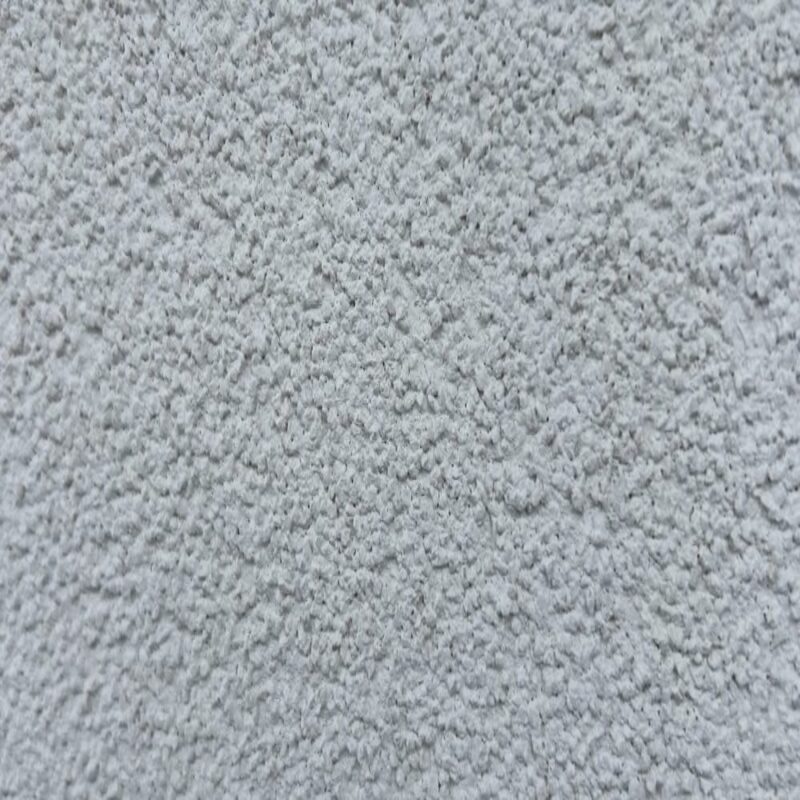
Both systems provide through‑coloured finishes so chips and scratches are less obvious than painted renders. Silicone render commonly presents a slightly softer, textured appearance and can be formulated in a wide palette of modern colours with good long‑term colour retention due to the paint‑free surface.
Monocouche produces a range of textures from fine to coarse and is available in many colours, though very dark shades may show weathering more quickly. Because monocouche is cement‑based, achieving very bright or unusual hues can be more limited than with polymer systems.
If you prioritise a broad colour range, low maintenance and consistent water behaviour, silicone typically gives the edge. If you prefer a traditional masonry look with breathability and a durable, cementitious finish, monocouche remains a strong choice.
Choosing the Right Render: Practical Considerations
Decide based on how the render will be applied, how much upkeep you will accept, the realistic budget for materials and labour, and the type of building you are finishing.
Application Process and Installation
Silicone render is applied in thinner coats and often over a breathable basecoat or insulated external wall insulation (EWI) systems. It requires careful substrate preparation — clean, dry surfaces and appropriate primer — and benefits from machine-spray application for a uniform finish. You will see faster weather tolerance; rain within 24–48 hours is less likely to mark a cured silicone surface.
Monocouche is a single-coat, through-colour render that you trowel on at a thicker depth (typically 15–20 mm). It needs skilled applicators to avoid patchiness and to achieve the correct cure time. Monocouche is more sensitive to application conditions: high humidity, low temperatures or rushed finishing can cause colour variation or dusting.
Maintenance Requirements
Silicone render repels water and resists staining, so you will likely need less frequent cleaning and fewer repainting cycles. Dirt tends to wash off in rain, and moss or algae growth is slower on properly installed silicone finishes. Occasional soft washing and removing local stains should suffice for most suburban and coastal properties.
Monocouche can be more prone to dirt pick-up and biological growth in damp UK climates, so you may need pressure washing and targeted cleaning every few years. Colour retouching or spot repairs require matching the through-colour mix, which can be challenging if batches differ or the original colour has weathered. Expect slightly higher upkeep if your home sits in a wet or shaded location.
Cost Implications
Material costs for silicone render are generally higher per square metre than monocouche, driven by polymer additives and pigment stability. Labour can be quicker for silicone if sprayed, reducing installation time and some labour costs on larger jobs. Factor in the cost of primers and breathable basecoats where required.
Monocouche often appears cheaper on raw material price but needs thicker application and more skilled hand finishing, which raises labour costs. Also budget for potential additional cleaning or earlier repairs in damp locations. For a typical three-bedroom semi, compare total installed costs, not just material bills, to see which offers better lifetime value for your specific site conditions.
Suitability for Different Building Types
For timber-frame, steel-frame or insulated façades you will often prefer silicone render because it offers slight flexibility and compatibility with movement-prone substrates. It also pairs well with EWI systems and lightweight construction where breathability and water-shedding are priorities.
For traditional masonry, blockwork or new-build brick where a thicker, through-colour finish is desired, monocouche remains a strong option. It gives a matt, mortar-like appearance and can match historical aesthetics. However, avoid monocouche on elevations exposed to prolonged damp without good detailing, as maintenance demands will rise.
Frequently Asked Questions
This section answers practical points you are likely to ask when choosing between silicone and monocouche render for UK homes. Expect clear comparisons on flexibility, weather tolerance, maintenance, insulation, colour options, lifespan and durability.
What are the primary differences between silicone render and monocouche render systems?
Silicone render contains silicone additives that make the finish more flexible and water-repellent. Monocouche is a single-coat through-colour render made from cement, pigments and aggregates with less inherent flexibility.
Silicone render tends to resist water absorption and staining better. Monocouche offers a thick, textured finish that hides minor substrate imperfections but is more prone to hairline cracking if the building moves.
Can silicone render be applied in various weather conditions commonly found in the UK?
Yes. Silicone render performs well in damp and changeable UK weather because it repels water while allowing vapour to pass through. It is more forgiving during light rain and quick drying periods than many traditional mineral renders.
However, installers still avoid extreme cold, prolonged heavy rain or frosty conditions during application. Surface preparation and manufacturer guidance on temperature and humidity remain important.
What are the long-term maintenance requirements for homes with monocouche render in the UK?
Monocouche render requires regular inspection for hairline cracks and areas where water may penetrate. Small cracks can be repaired, but larger or recurrent cracking may need partial re-rendering.
You should clean biological growth and dirt periodically to maintain appearance. Expect occasional repainting or touch-ups if pigments fade or the finish becomes stained.
How does the insulation performance compare between silicone and monocouche renders?
Neither render type provides significant thermal insulation on its own. Both act primarily as weatherproof external finishes rather than insulating layers.
If you need improved U‑values, both systems can be combined with external wall insulation (EWI) systems where insulation boards are installed beneath the render. Performance then depends on the chosen insulation material and installation quality rather than the render type.
Which rendering solution offers a wider range of colours and finishes suitable for UK properties?
Monocouche render typically offers a broader range of through-colour pigments and textured finishes. You can achieve many matt and textured looks without painting.
Silicone render also comes in a good range of colours and can produce smooth or fine textured finishes. It often provides superior stain resistance and may retain colour and appearance longer in damp, polluted or shaded locations.
What is the typical lifespan and durability of silicone render versus monocouche render in the UK climate?
Well-applied silicone render commonly lasts 20–30 years with limited maintenance, due to its flexibility and water-repellent properties. It resists staining and crack development better on substrates that experience movement.
Monocouche render can also last 20+ years when installed on stable substrates and maintained appropriately. Its durability falls when applied to older buildings prone to movement or to sites with persistent damp, which increases the risk of hairline cracking and staining.
