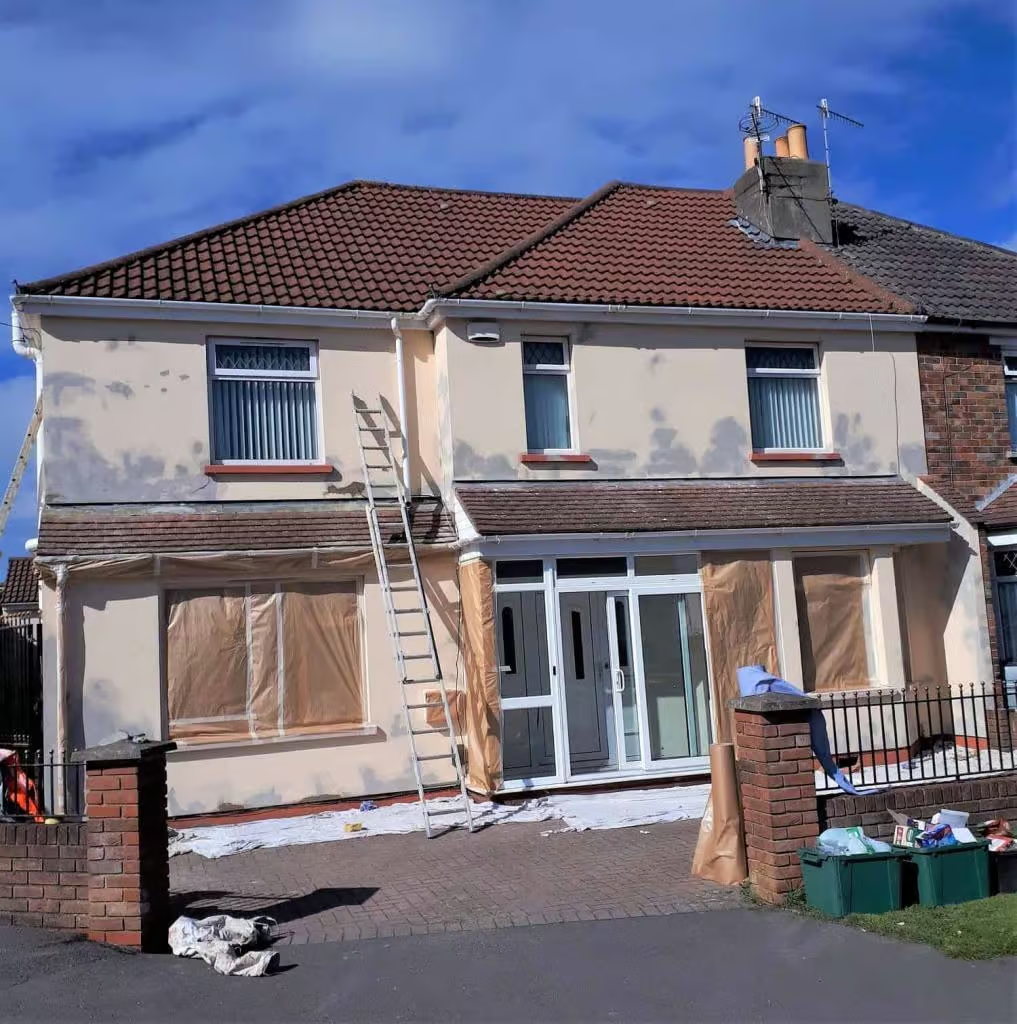
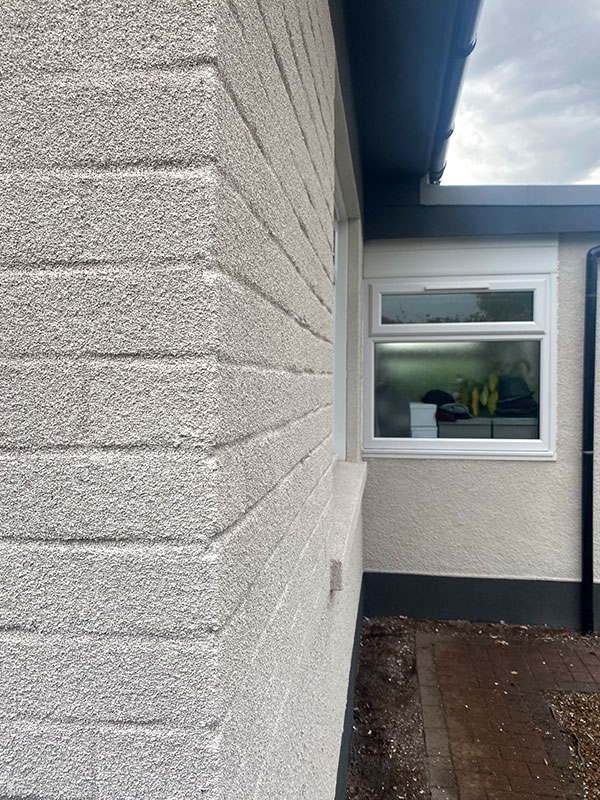
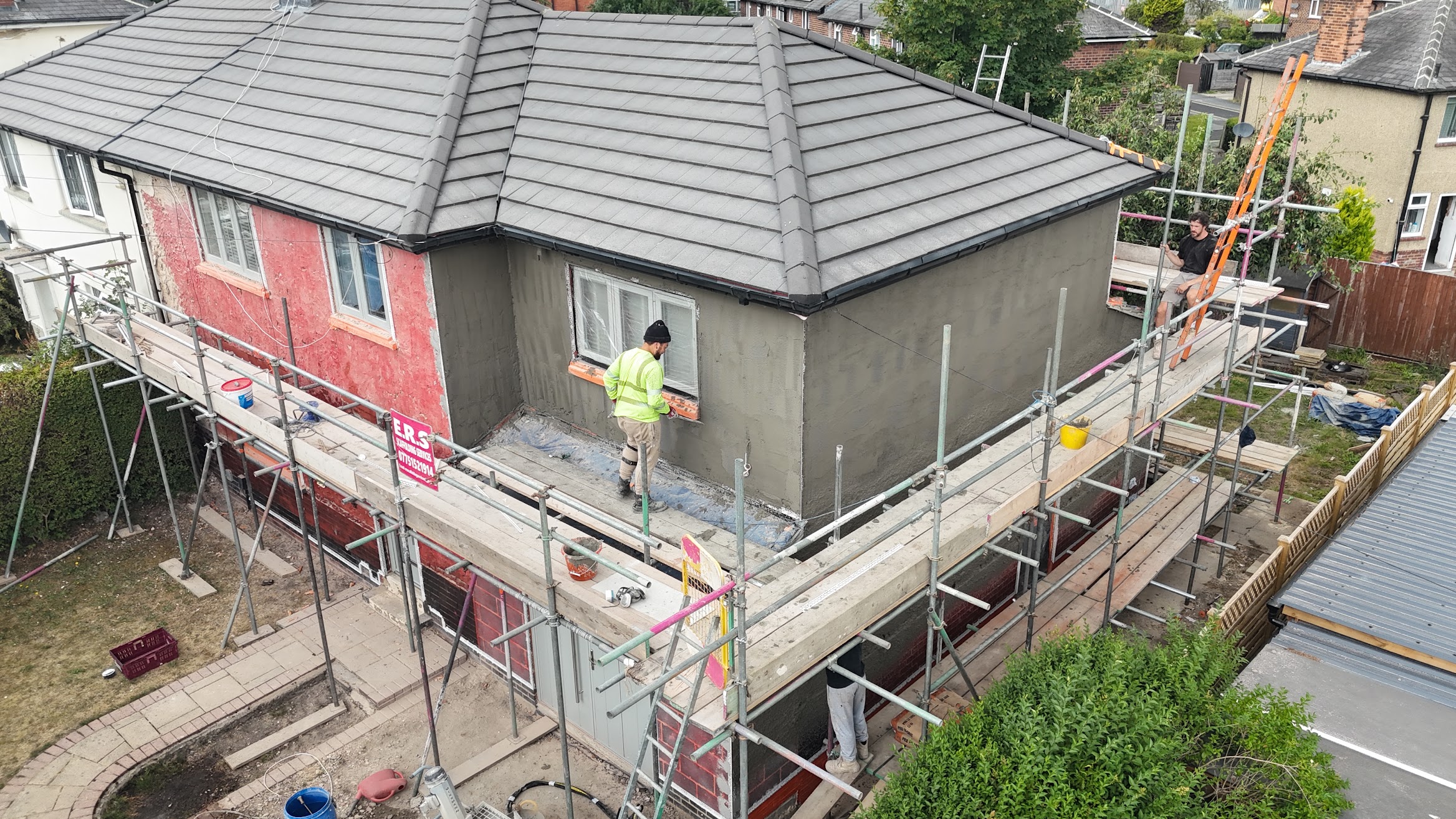
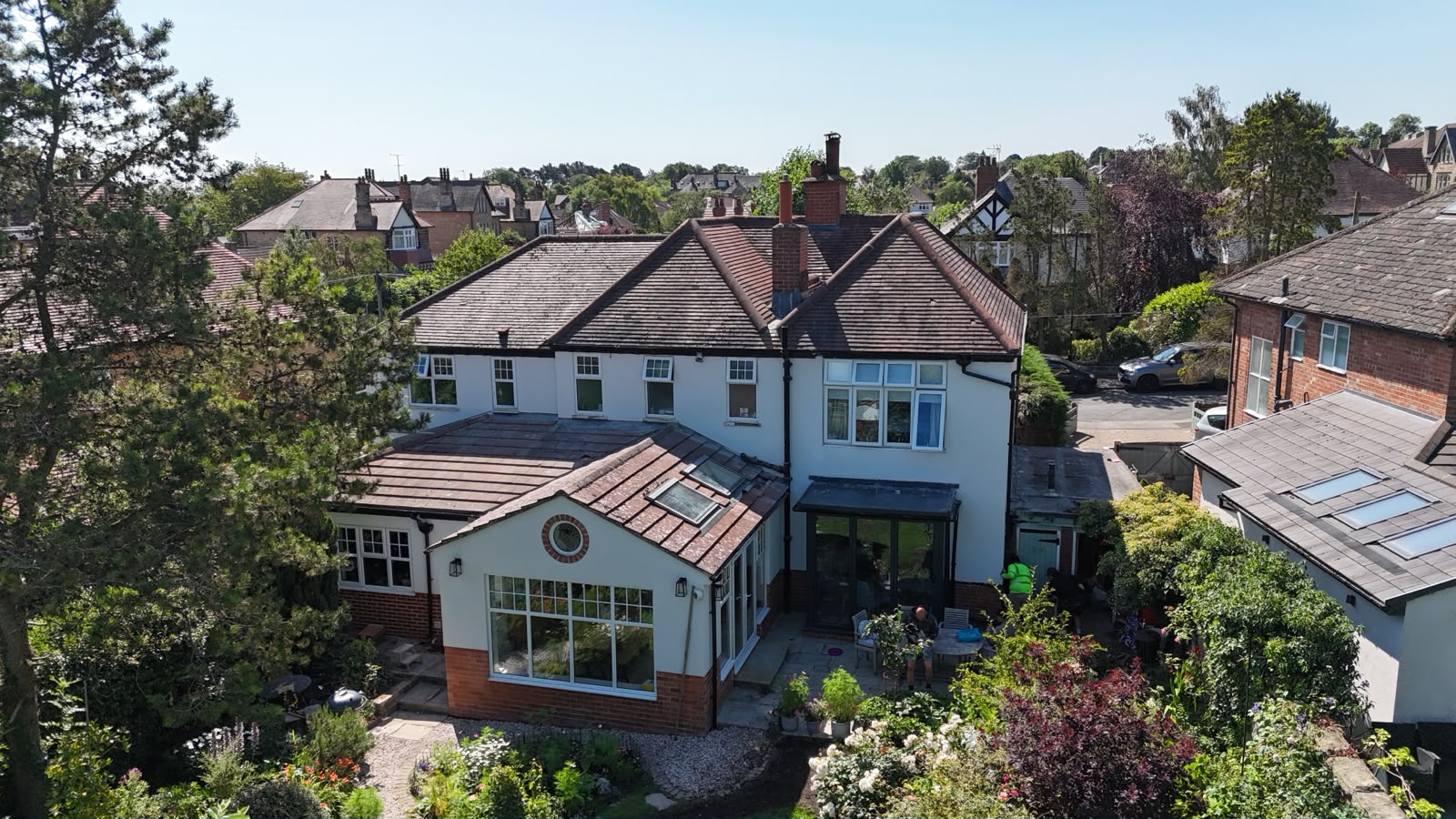
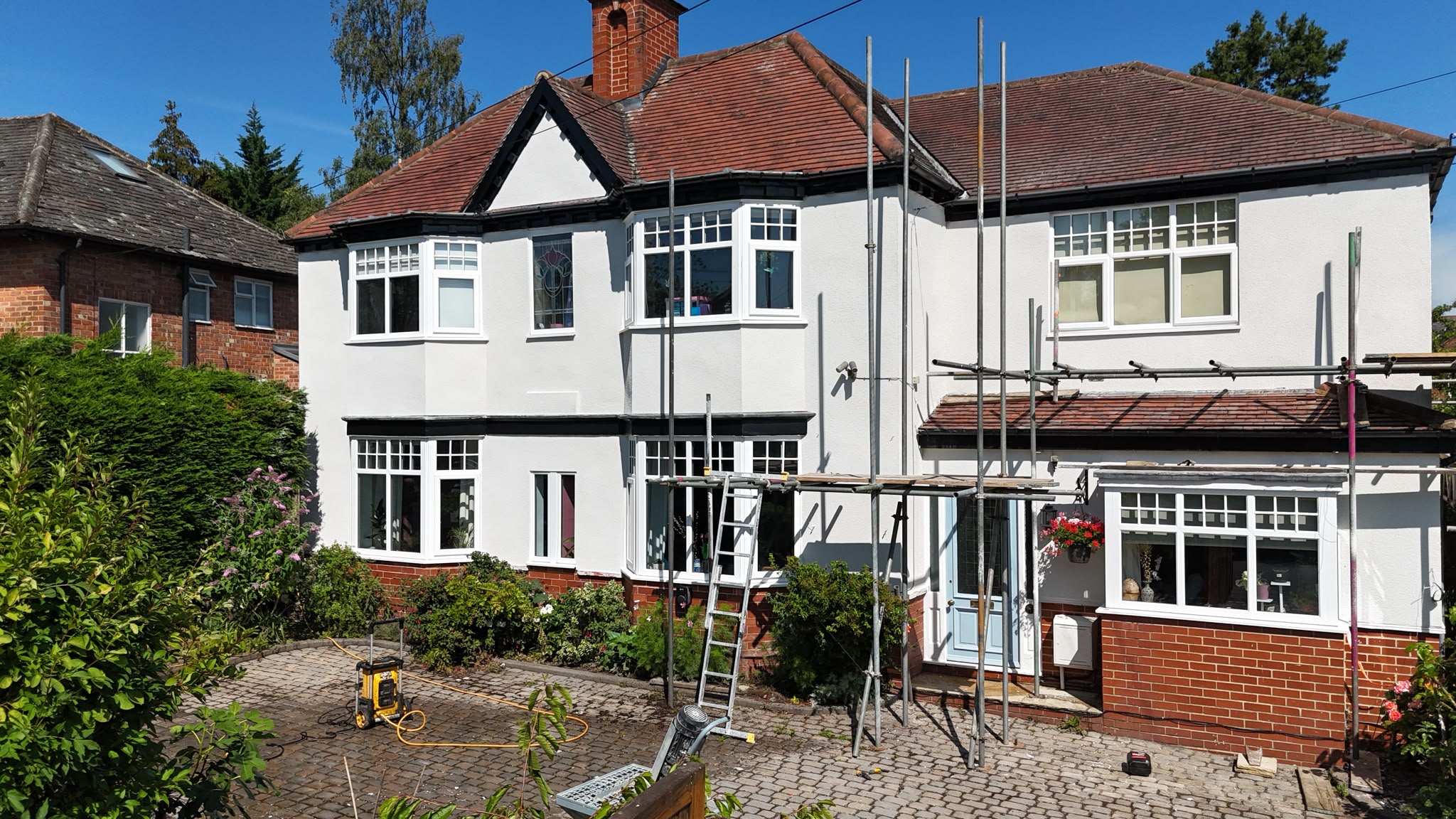
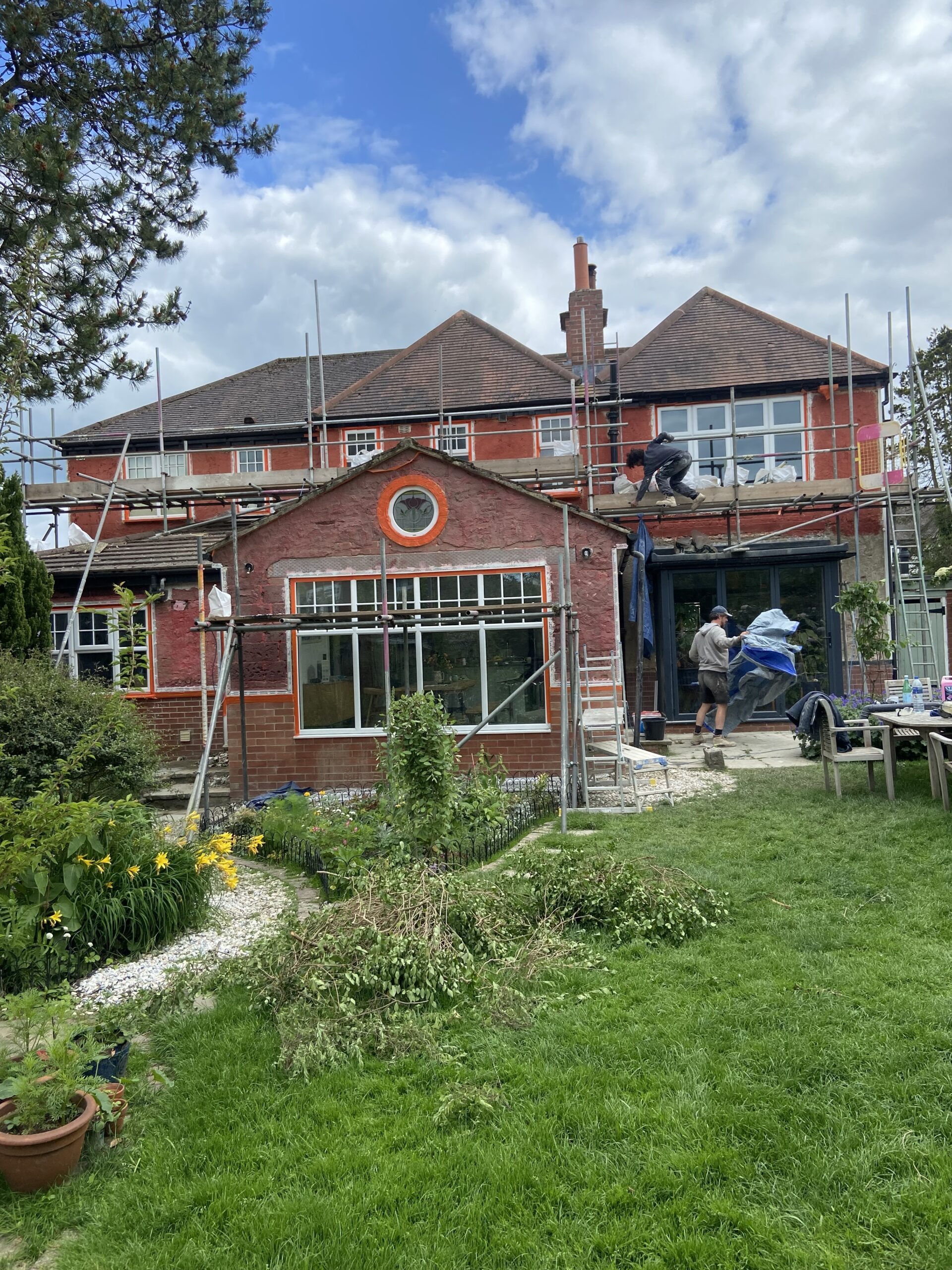
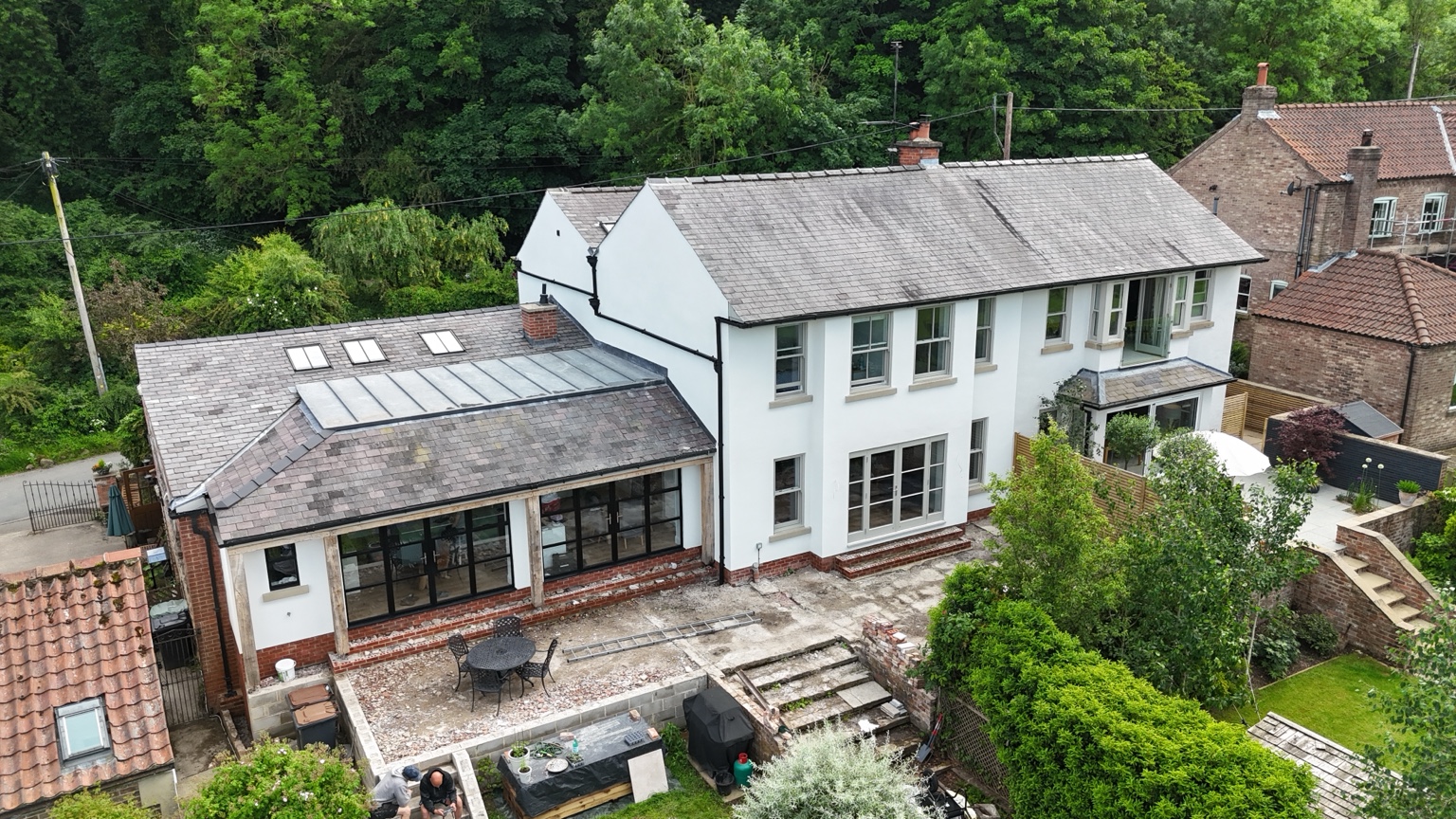
Rendering transforms the exterior of your home, but whether you need scaffolding depends on your property’s height, the scope of work, and UK safety regulations. At Recently Rendered, scaffolding isn’t an afterthought — it’s a fundamental part of how we plan and price every project, ensuring our teams work safely and your finish is applied to the highest standard throughout.
For most two-storey homes, scaffolding is not just recommended but legally required to protect workers and ensure quality results. Costs typically range from £800 to £1,300 for a standard semi-detached house, though this varies based on your location and project duration. Skipping scaffolding might seem like a cost-saving measure, but it often leads to safety risks, poor workmanship, and potential legal issues — outcomes Recently Rendered simply won’t accept.
This guide explains exactly when you need scaffolding for rendering, what it costs in 2026, and how to budget properly whilst meeting UK safety requirements.
When Is Scaffolding Required for House Rendering?
UK law doesn’t mandate scaffolding for all rendering work, but you must provide safe working platforms when tasks are performed above 2 metres or where ladders alone pose significant risk. Recently Rendered carries out a thorough site assessment on every project to determine the right access solution from the outset.
Building Regulations and Legal Requirements
The Work at Height Regulations 2005 require proper access equipment when rendering involves working above ground level. You’re not legally forced to use scaffolding specifically, but you must provide a safe working platform that prevents falls and allows proper access to all areas.
Key legal obligations include ensuring safe access for workers at heights above 2 metres, using equipment that allows proper working positions, preventing materials and tools from falling, and providing stable platforms for prolonged work periods. If scaffolding extends onto public pavements or roads, a licence from your local council is required — typically costing £100–£300 and requiring proper barriers, lighting, and insurance documentation. Recently Rendered handles all necessary applications on your behalf.
Health and Safety Executive guidance is clear that ladders are only acceptable for light, short-duration work. Rendering an entire house doesn’t qualify, making scaffolding or tower systems the legally compliant choice for most projects — and the only option Recently Rendered will use.
Access and Site Safety Considerations
Your property’s accessibility determines whether scaffolding becomes necessary rather than optional. Site factors that typically require scaffolding include working heights exceeding 3 metres, uneven or sloped ground conditions, restricted access preventing tower movement, adjacent buildings or boundary walls, and overhead power lines or obstacles.
Scaffolding becomes essential when continuous access around the entire property perimeter is needed. Mobile towers work for small sections but require constant repositioning, increasing labour costs and project duration. Recently Renderedfactors all of these considerations into your quote, so there are no unexpected access costs further down the line.
Weather protection is another key consideration. Rendering needs dry conditions and protection from wind, which scaffolding sheeting can provide — particularly important during autumn and winter months when weather windows are limited
Types of Properties and Rendering Methods
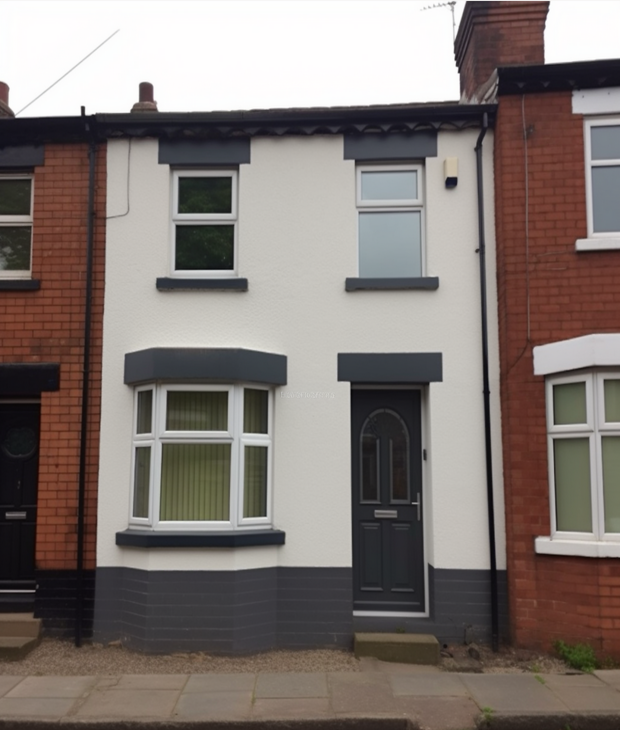
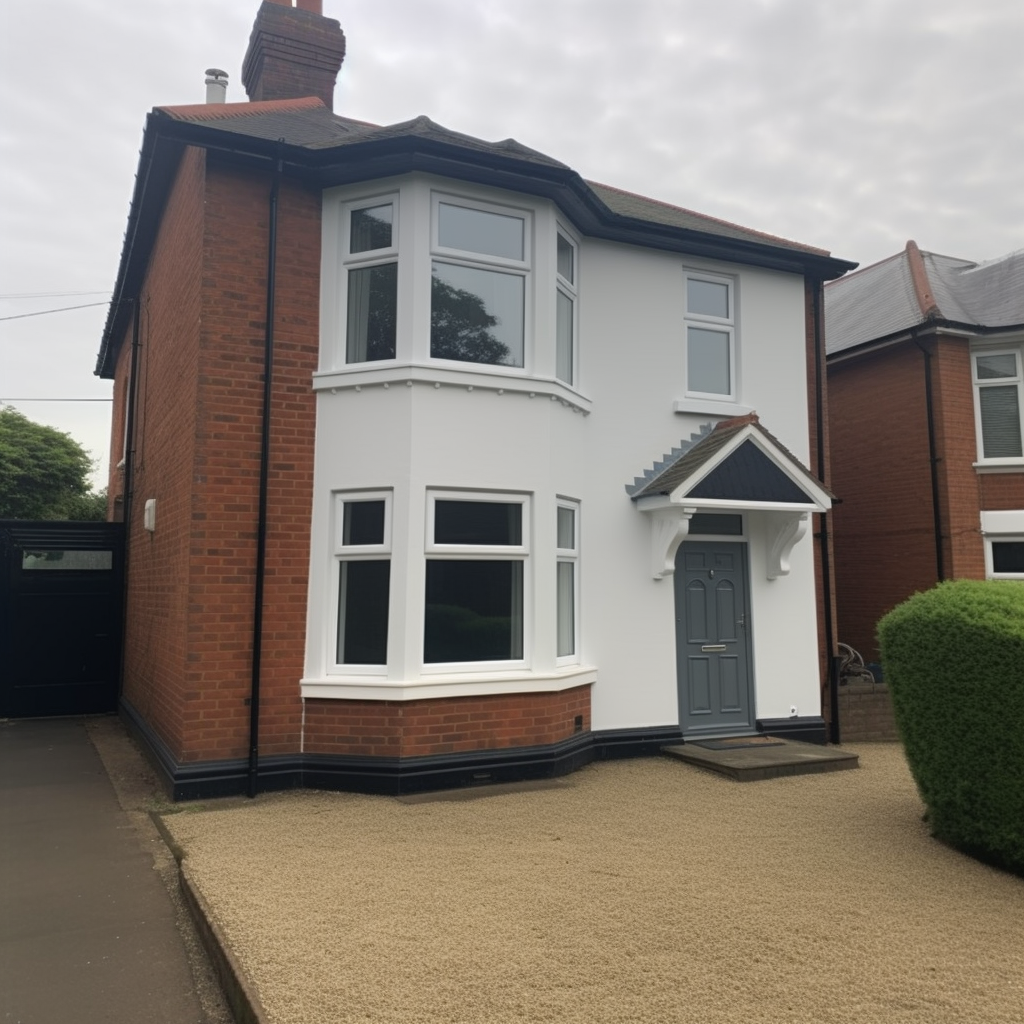
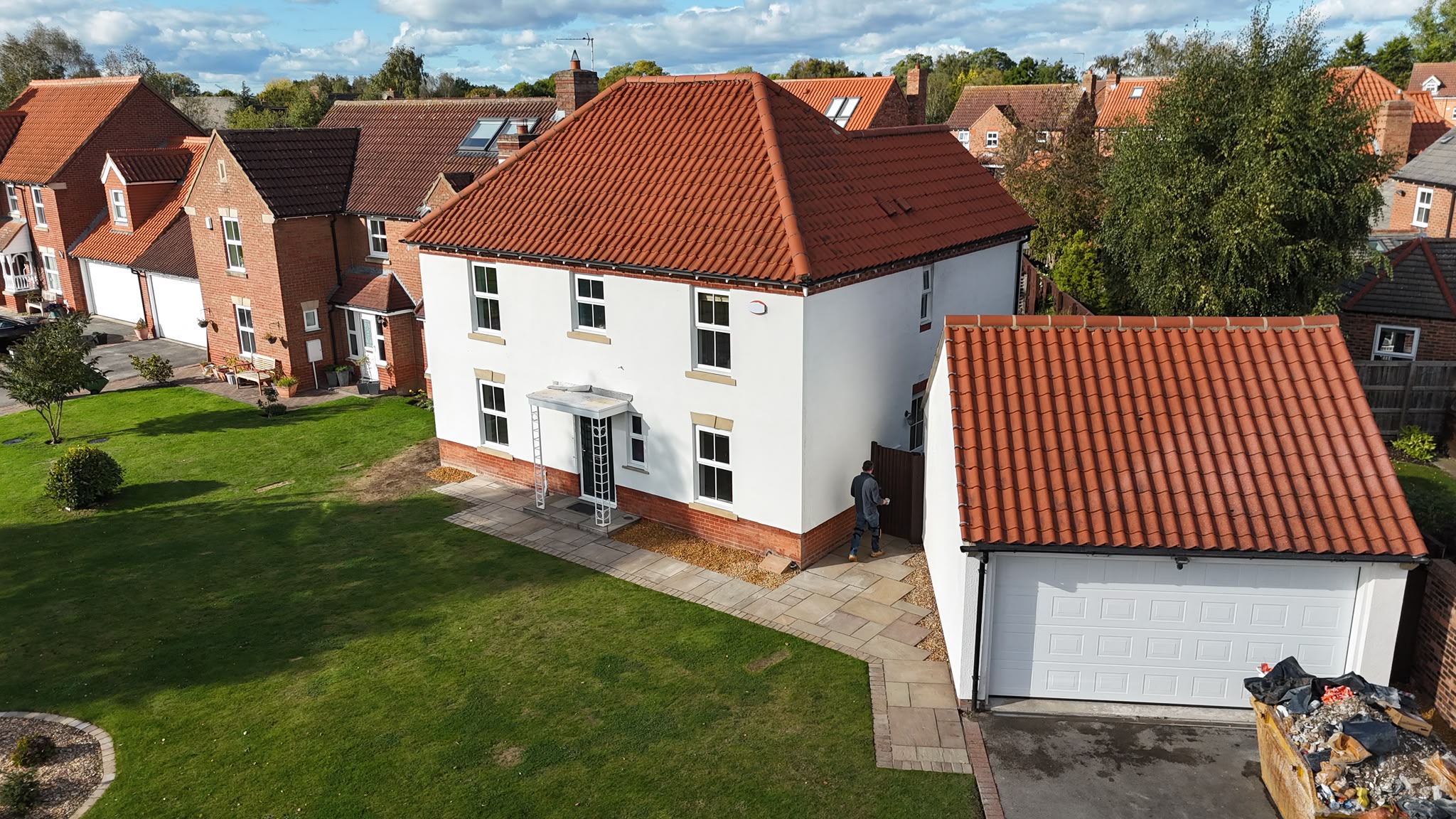
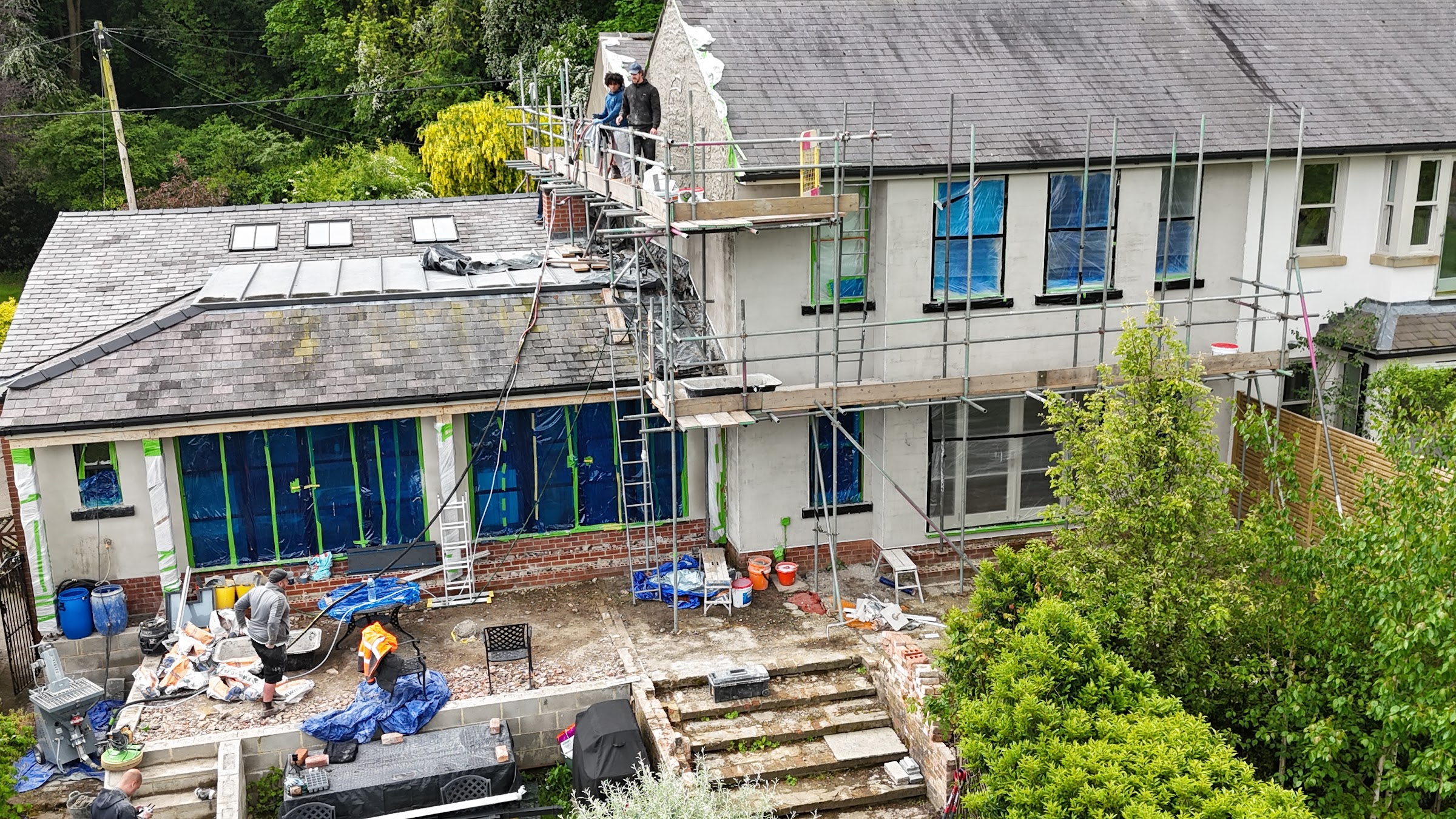
Two-storey houses almost always require full scaffolding. The working height combined with the volume of materials needed makes alternative access methods impractical and unsafe. Here’s how rendering method affects scaffolding requirements:
Rendering Type
Scaffolding Need
Reason
Traditional sand/cement
Essential
Multiple coats with drying time between applications
Monocouche
Usually required
Single coat but needs proper access for consistent application
Thin coat/silicone
Depends on height
Faster application but still needs safe working platform
Spray-applied
Essential
Equipment weight and spray area require stable platforms
Modern render systems using mechanical application need scaffolding with reinforced boards to support machinery weight — something Recently Rendered plans for carefully when specifying access for spray-applied or machine-mixed systems.
Full Cost and Safety Guide for Scaffolding in UK Homes
Scaffolding costs for rendering projects typically range from £750 to £1,200 for a full house setup. Recently Rendered includes all scaffolding costs transparently within your project quote, so you always know exactly what you’re paying for before work begins.
Typical Scaffolding Costs for Rendering Projects
The average cost for full house scaffolding in 2026 sits around £850, though your final price depends on property size, access conditions, and hire duration. Most scaffolding companies charge weekly rates, with typical residential projects requiring 4–8 weeks of hire.
Property Type
Average Cost Range
Terraced house
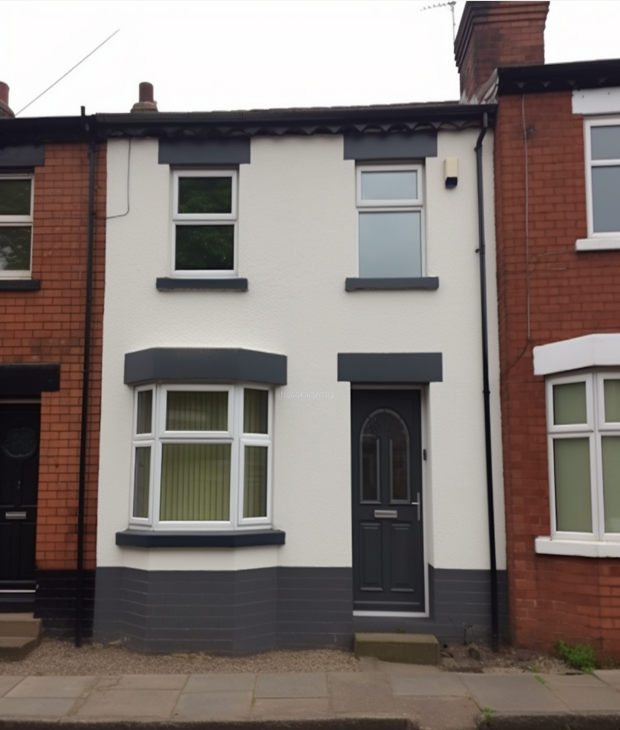
£650–£900
Semi-detached
£800–£1,100
Detached house
£1,000–£1,500
Bungalow
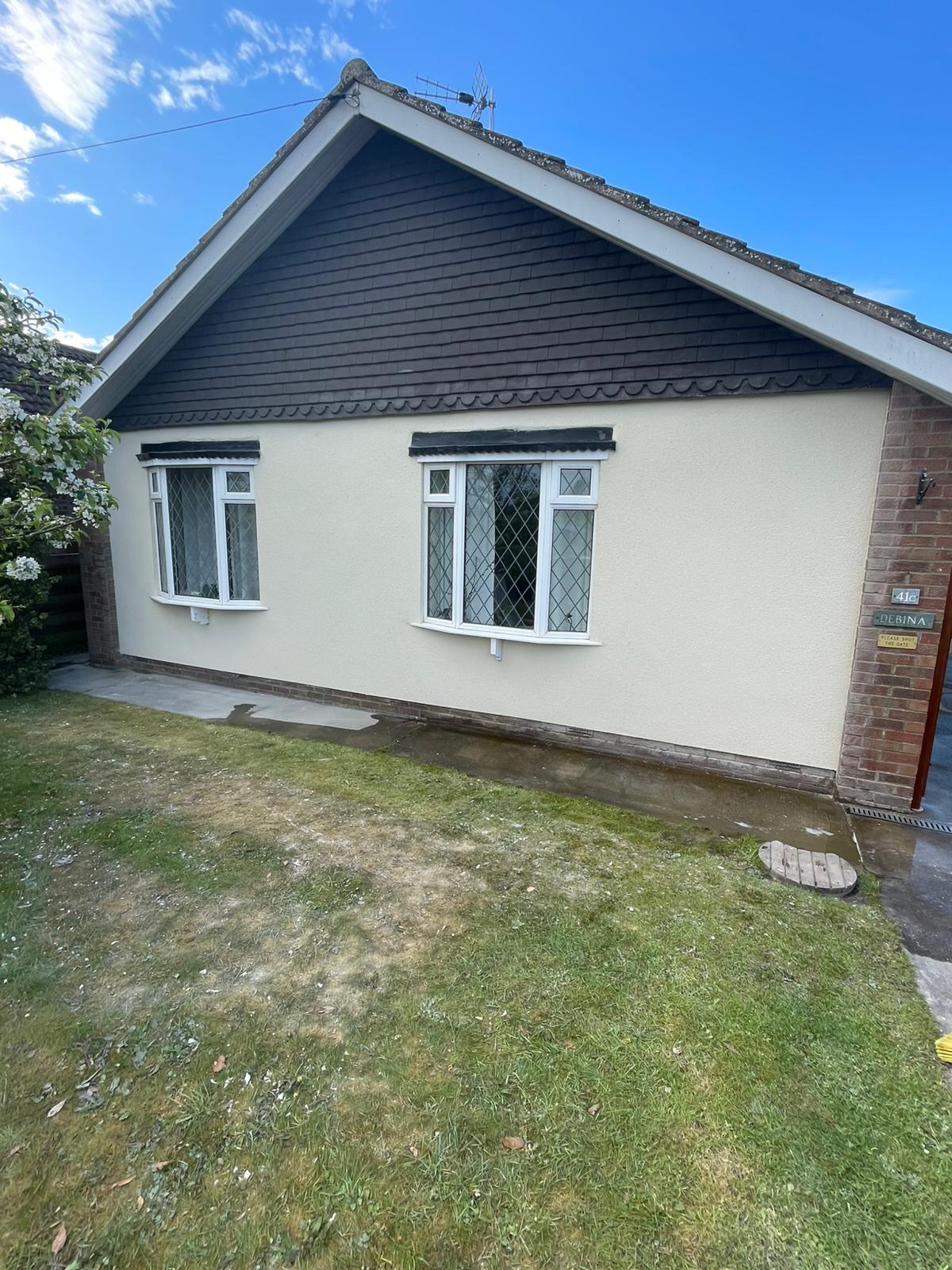
£600–£850
Additional costs include delivery and collection fees (£150–£300), protective sheeting for weather protection (£100–£200), and specialist scaffold boards where needed. Extended hire periods may incur extra weekly charges of £75–£150. Recently Rendered builds a realistic hire period into every project plan, minimising the risk of unexpected extension costs.
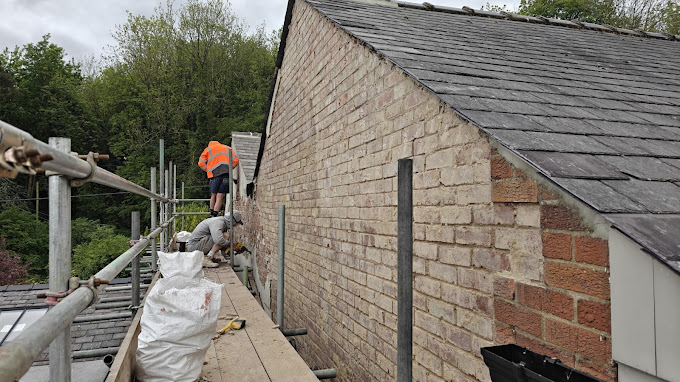
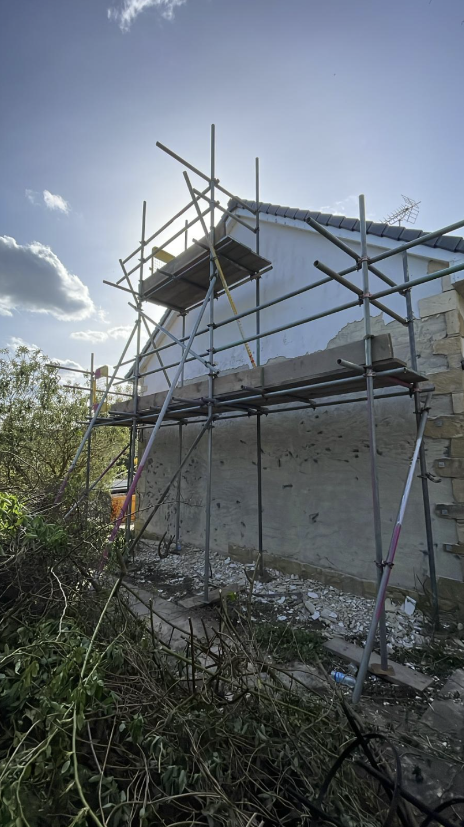
All scaffolding in the UK must comply with the Work at Height Regulations 2005 and relevant British Standards (BS EN 12811). Essential safety requirements include inspection by a competent person every seven days, inspection after adverse weather, clearly marked safe working load capacity, toe boards and guardrails on all working platforms, and secure base plates on firm, level ground.
You should always receive a handover certificate confirming the scaffolding is safe to use before work begins. Recently Rendered works exclusively with scaffolding contractors who meet these standards, and we never allow work to proceed on a structure that hasn’t been properly certified.
Licensing and Professional Services
Scaffolding contractors should hold CISRS (Construction Industry Scaffolders Record Scheme) accreditation and carry public liability insurance of at least £5 million. Membership of trade bodies such as the National Access and Scaffolding Confederation (NASC) provides additional assurance of professional standards.
Where scaffolding extends onto public pavements or roads, a council licence is required. Recently Rendered manages this process on your behalf as part of our full project management service — you won’t need to navigate council applications or paperwork alone.
Planning a rendering project and unsure about scaffolding requirements? Get in touch with Recently Rendered for a free site assessment and fully itemised quote — we'll handle every detail, from access planning to final finish.
Scaffolding becomes legally necessary when work takes place at heights where a person could fall 2 metres or more — which means most two-storey properties require it as standard. The requirement also extends to prolonged work at height, even below 2 metres, where risk assessment identifies scaffolding as the safest option. Recently Rendered carries out a full site assessment on every project to confirm the right access solution before work begins.
For minor repairs under 2 metres high, a properly secured ladder may suffice under UK regulations. Mobile tower scaffolds offer a viable alternative for smaller areas or single-storey extensions. However, full house rendering rarely proceeds safely without proper scaffolding, and it's not an approach Recently Rendered takes — the continuous nature of the work requires both hands free, stable footing, and reliable access to materials throughout.
A standard semi-detached house typically requires scaffolding costing between £800 and £1,200. Detached properties generally range from £1,000 to £1,500, whilst terraced houses often start from £500 to £900. Recently Rendered includes a full scaffolding breakdown within every written quote, so you can see exactly what access will cost for your specific property.
Property height is the primary cost driver, with each additional storey requiring more materials and erection time. Hire duration, access restrictions, uneven ground, and the need for pedestrian bridges or specialist solutions all affect the final price. Location matters too — Yorkshire scaffolding costs are generally more competitive than London and the South East. Recently Rendered coordinates scaffolding hire efficiently to keep hire periods as short as possible without compromising on the quality of the work.
Scaffolding must be inspected by a competent person upon completion and at least weekly thereafter, with written inspection reports issued each time. If scaffolding encroaches onto public pavements or roads, a council licence is required. Your contractor must hold a minimum of £5–£10 million public liability insurance. Recently Rendered ensures full compliance with the Health and Safety at Work Act 1974 and Work at Height Regulations 2005 on every project, and we're happy to provide copies of all relevant insurance and accreditation documentation on request.
All scaffolding must comply with BS EN 12811-1:2003 and meet TG20:13 guidance for tube and fitting scaffolds. Working platforms must include toe boards at least 150mm high, guard rails at 950mm, and intermediate rails, with platforms at least 600mm wide. Regular inspections following Schedule 3 of the Work at Height Regulations 2005 are mandatory after installation, every seven days during use, and following any event that could affect stability. Recently Rendered works only with scaffolding contractors who meet these standards as a minimum — your safety, and the safety of our teams, is never negotiable.