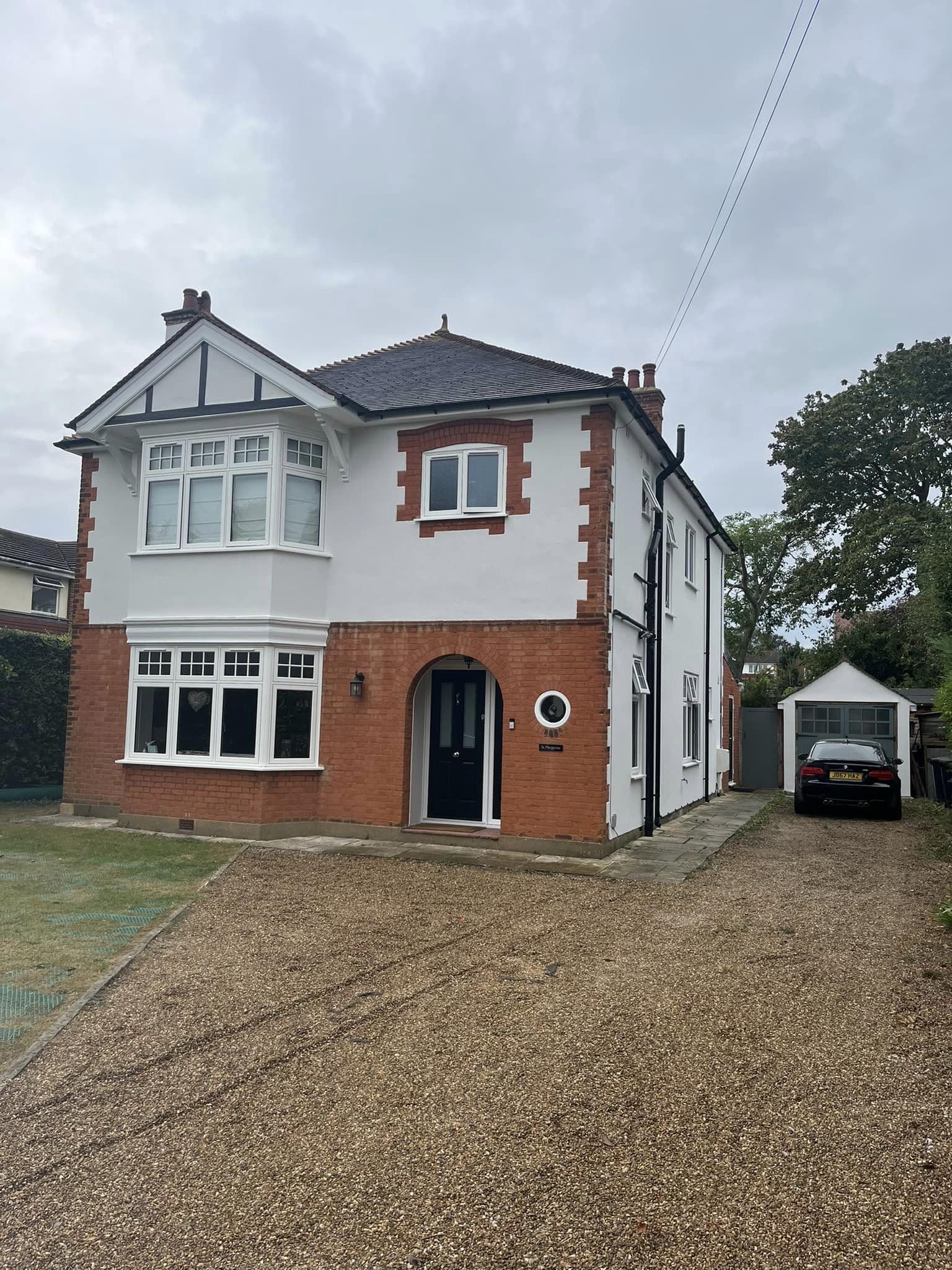
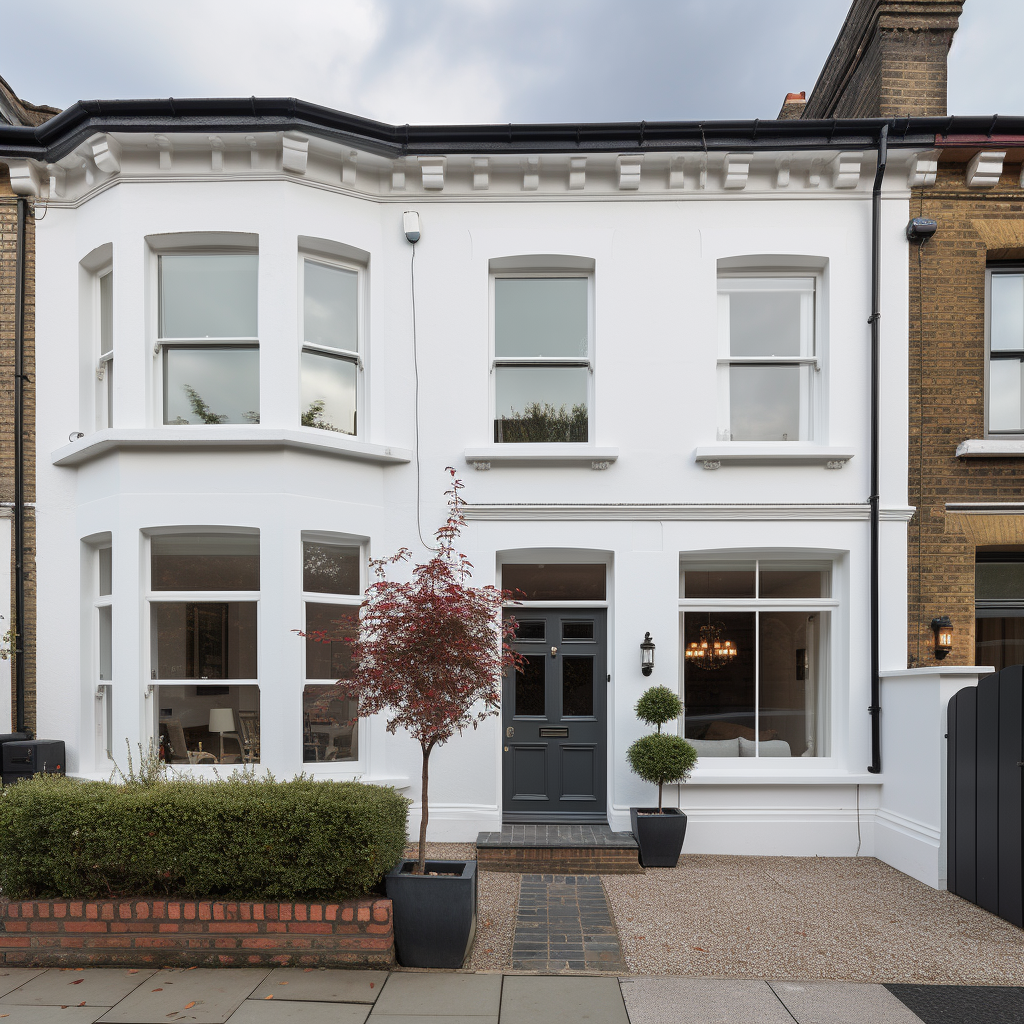
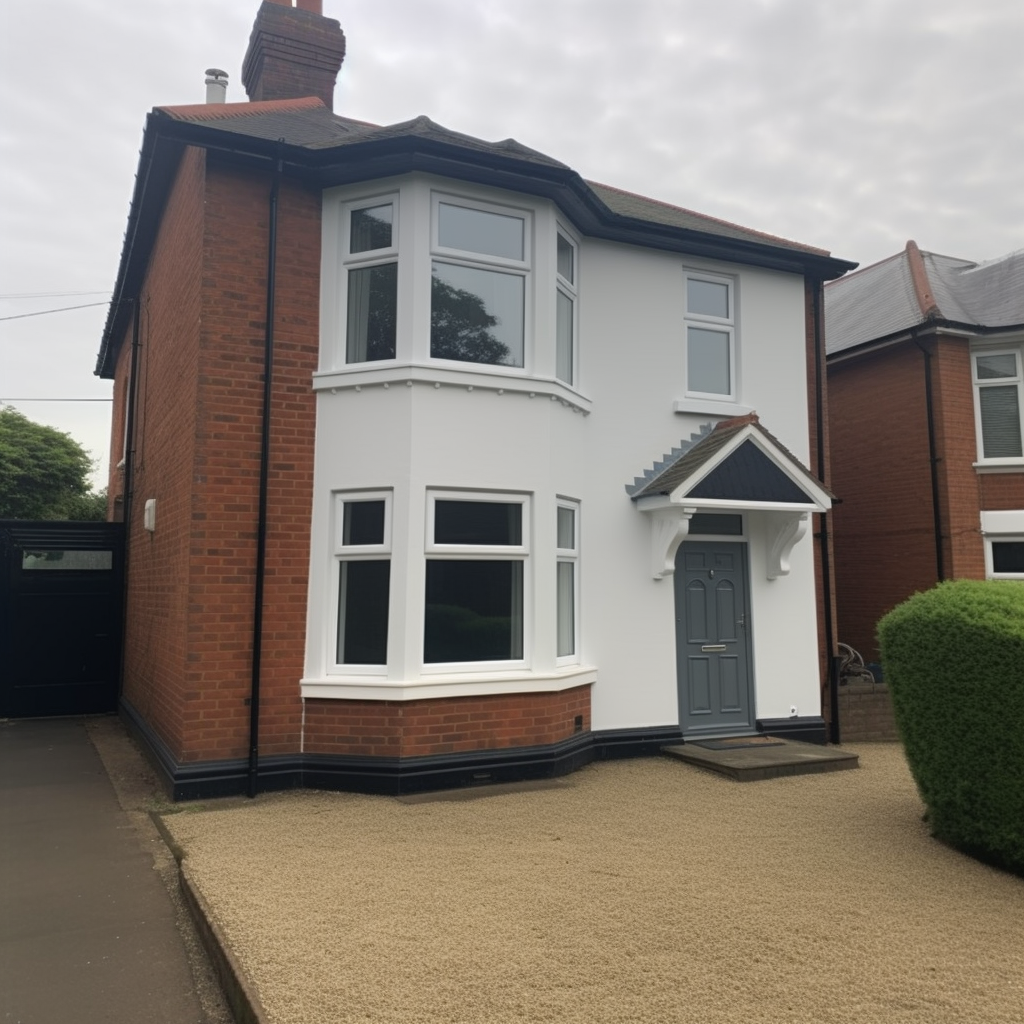
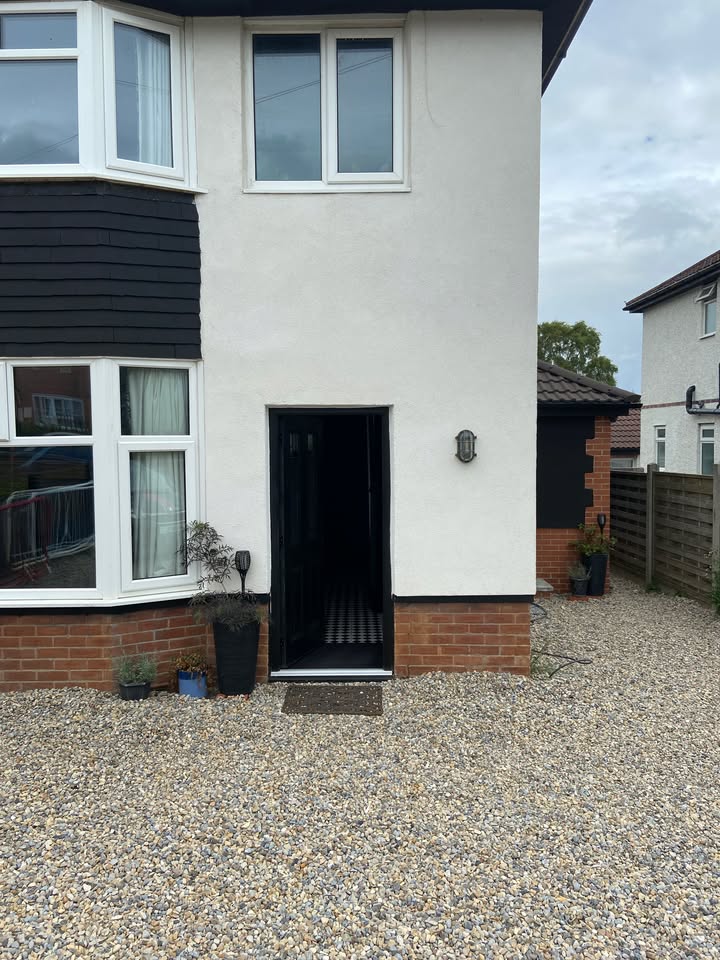
Rendering your home can increase its value by 5–10% on average, translating to approximately £15,000 to £30,000 on a typical £300,000 property. At Recently Rendered, we’re asked about return on investment regularly — and it’s a question we take seriously, because we believe every client deserves an honest picture of what their investment will deliver before work begins.
Beyond the immediate financial return, rendering also makes homes sell faster and improves buyer appeal, particularly when the existing exterior appears tired or damaged. The question isn’t simply whether rendering adds value, but when it makes financial sense for your specific situation. This guide examines real-world examples of how rendering affects property values across the UK, with specific costs, timelines, and returns to help you make an informed decision.
Rendering typically adds 2–10% to a property’s value in the UK, though the exact increase depends on the quality of work, choice of materials, and how well the finish complements neighbouring properties. Quality of execution matters more than almost any other factor — which is why Recently Rendered holds workmanship to the highest standards on every project we undertake.
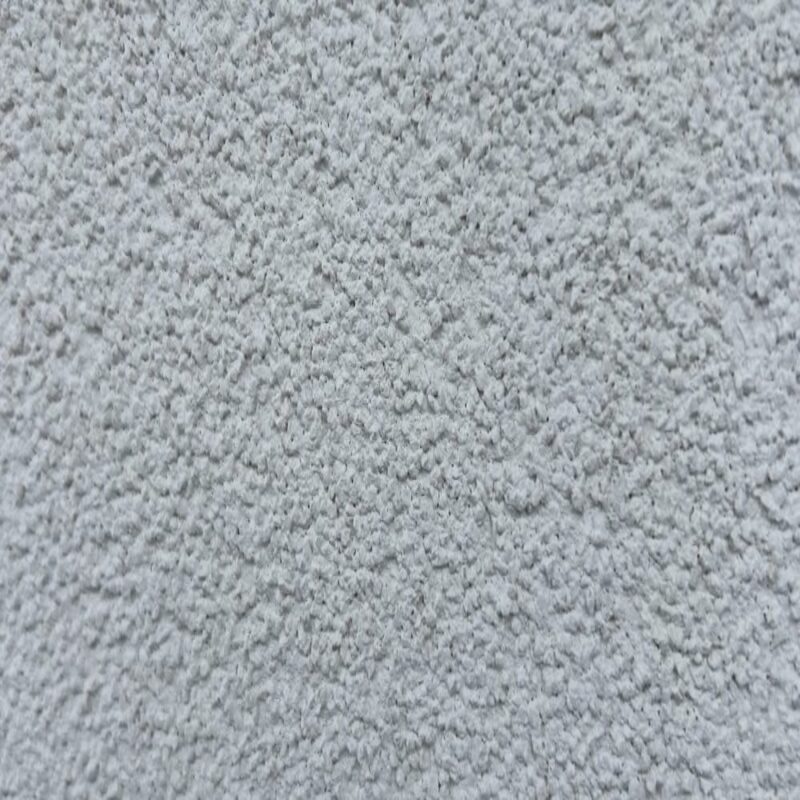
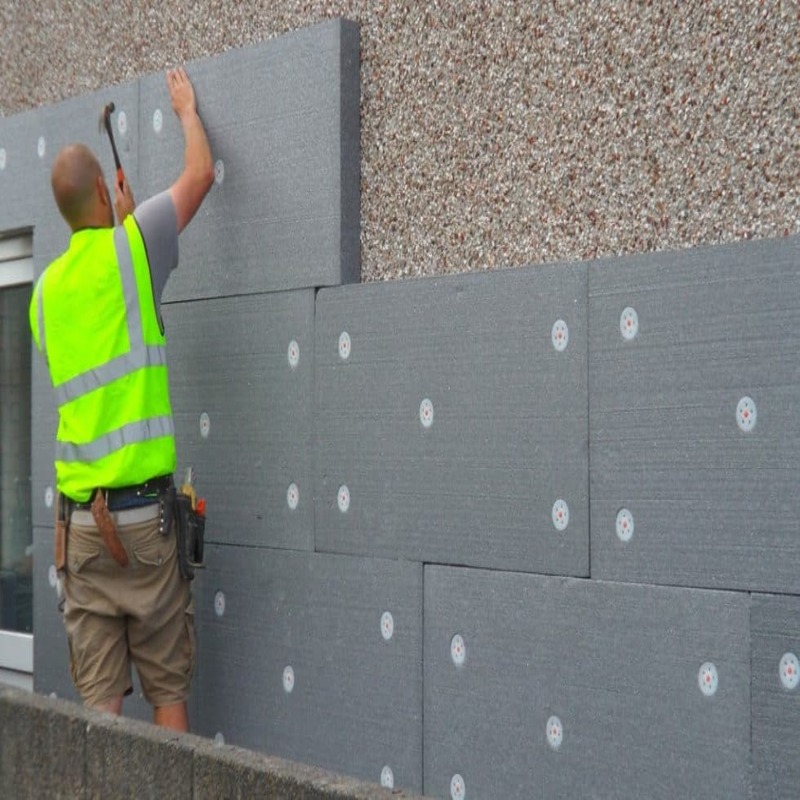
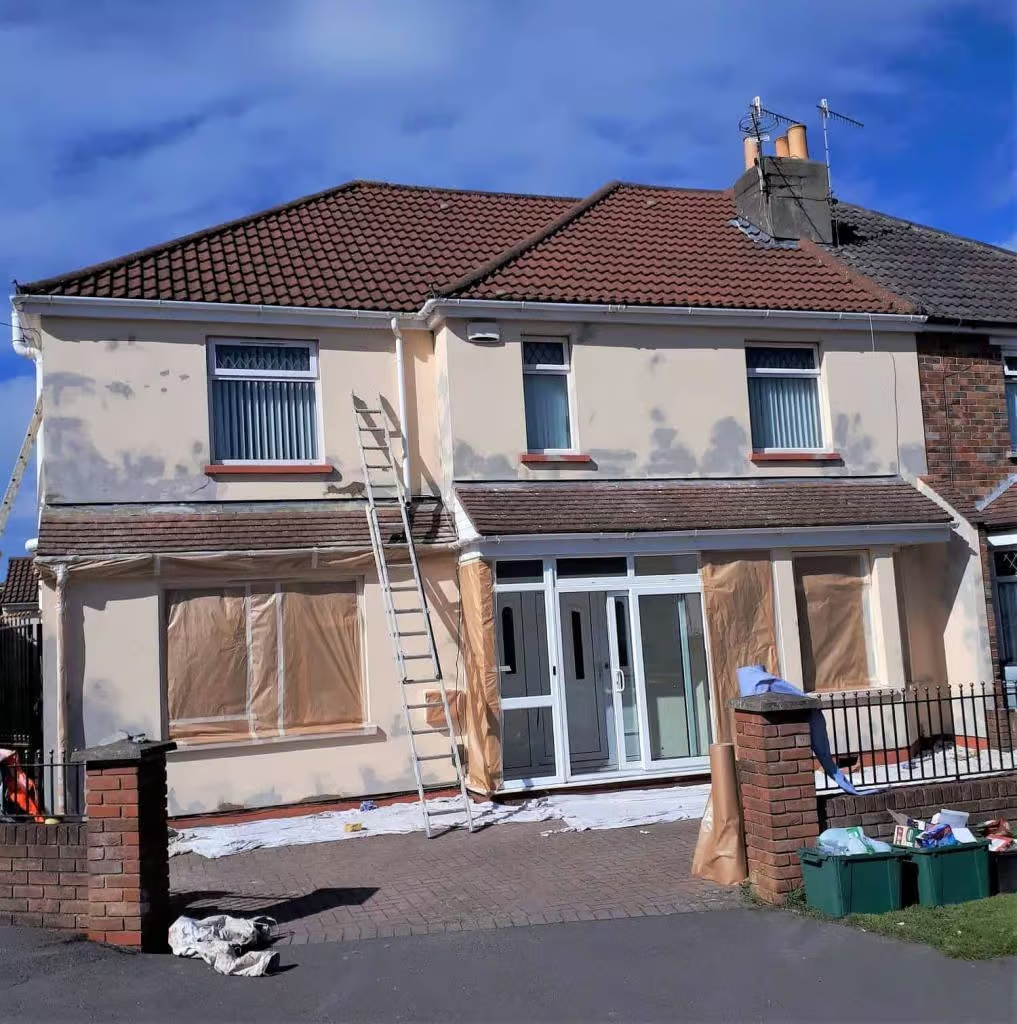
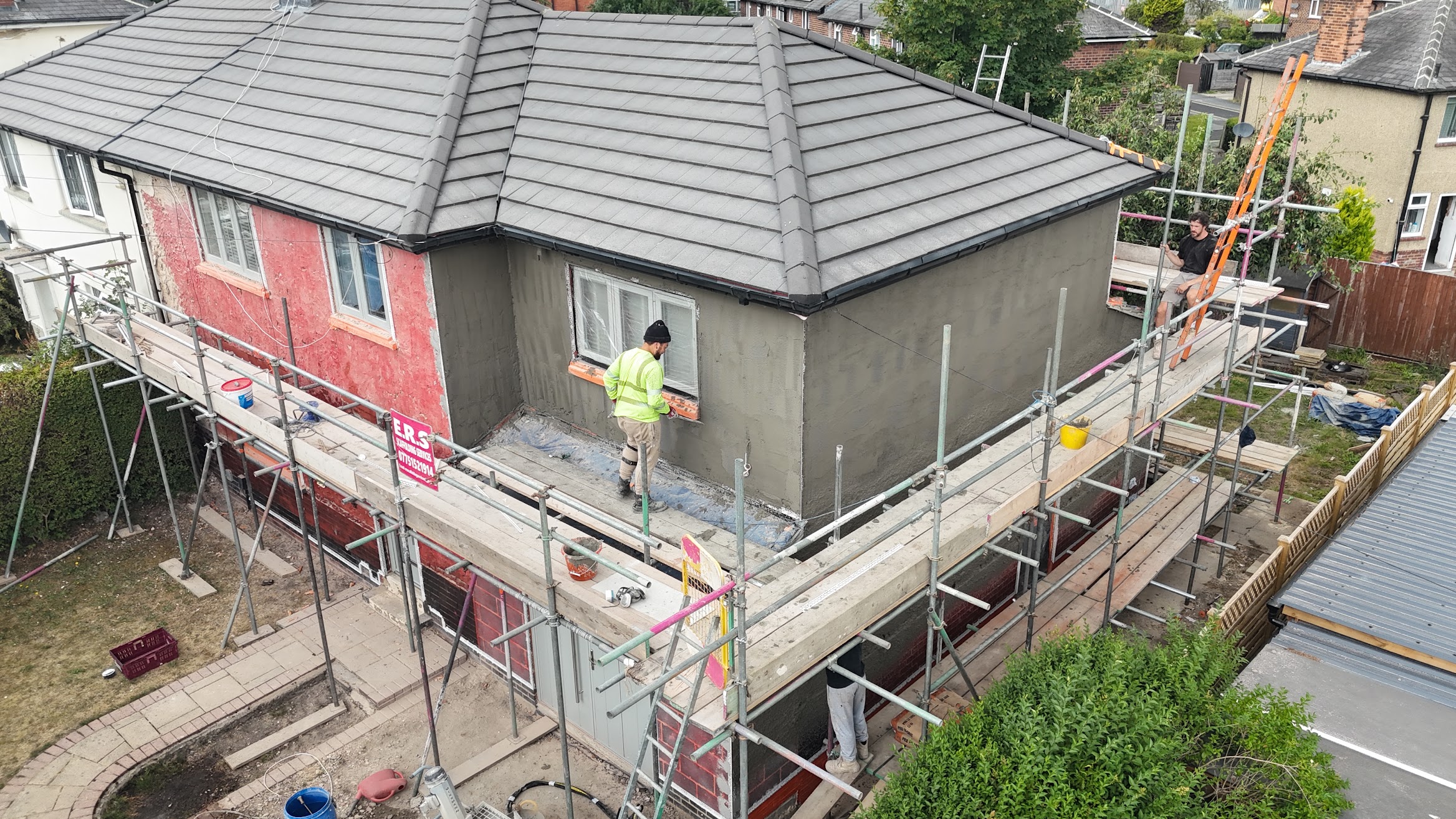
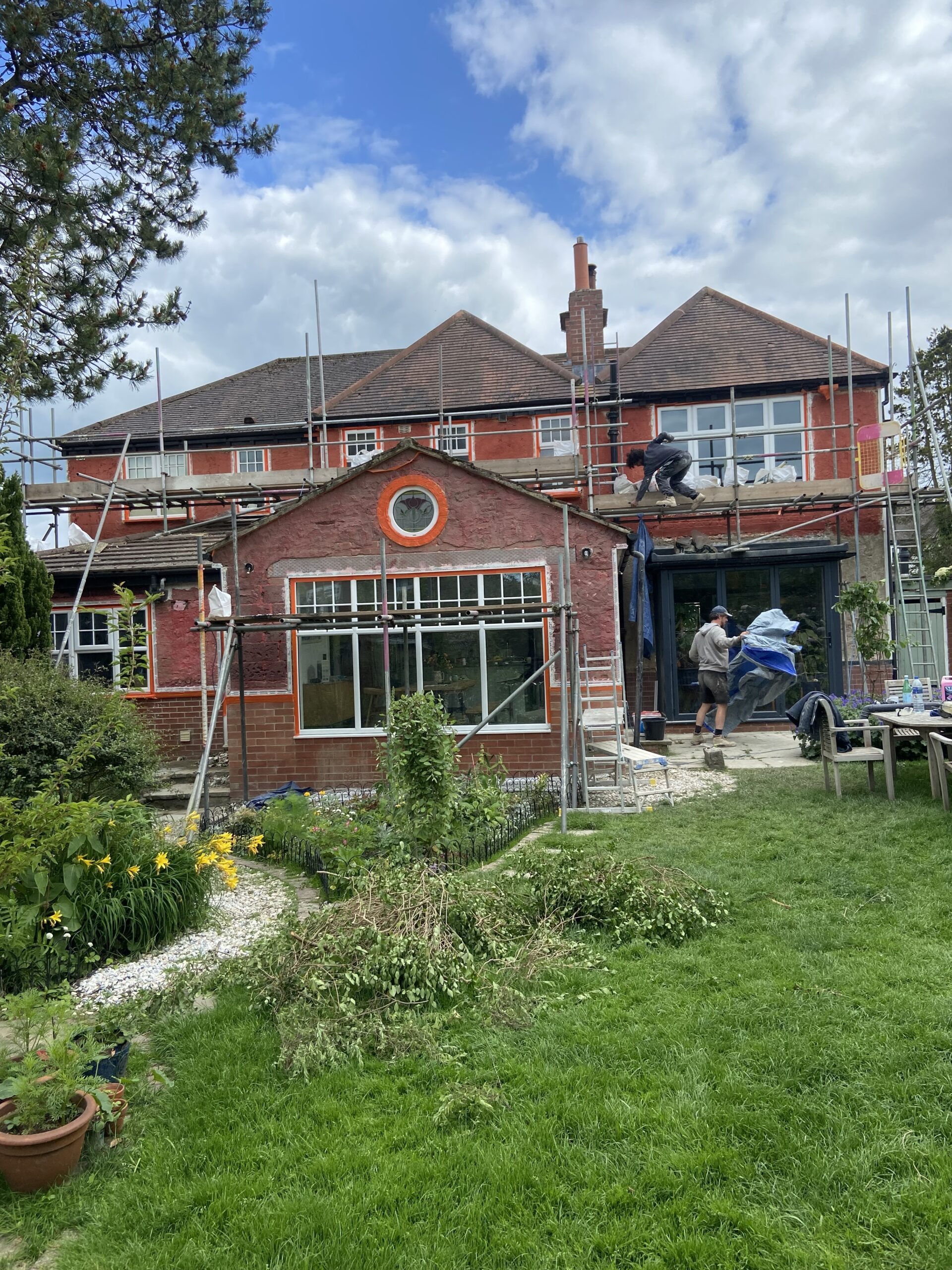
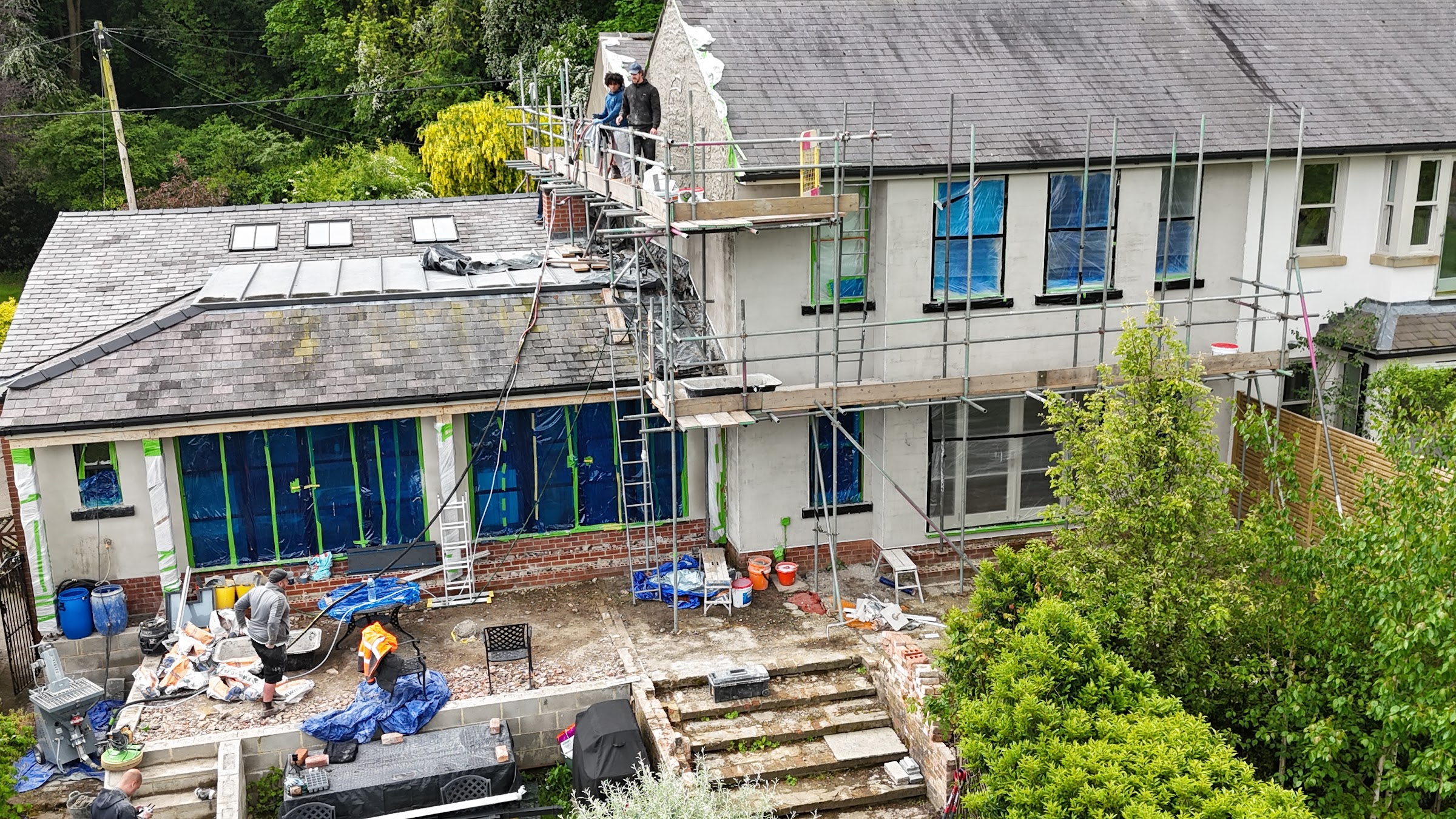
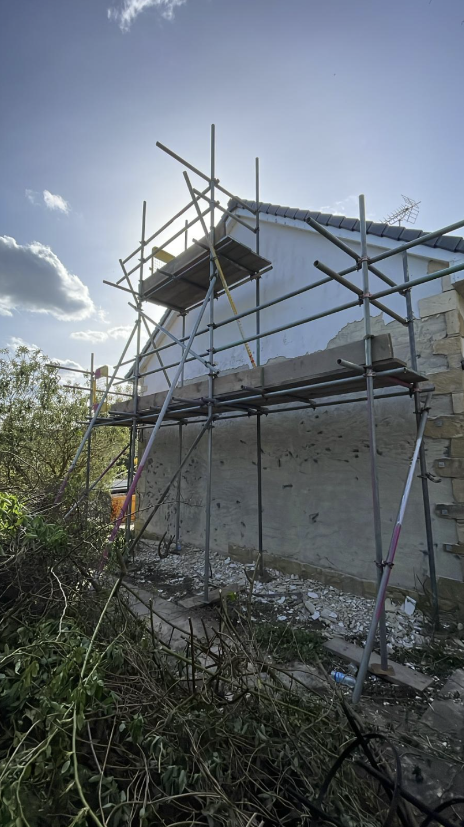
Rendering involves applying a protective coating to your home’s external walls, creating a smooth or textured finish over brick, stone, or blockwork. The process begins with preparing the wall surface, removing loose material, and ensuring proper adhesion. A base coat adheres directly to the wall, followed by additional layers depending on the chosen system, with mesh reinforcement between coats to prevent cracking.
Common rendering systems include traditional sand and cement render, monocouche render, acrylic render, and silicone render — the latter being the system Recently Rendered most frequently recommends for Yorkshire’s wet climate due to its self-cleaning properties and superior water resistance. Professional application typically takes 5–10 days for an average semi-detached house, depending on weather conditions and the number of coats required.
For homeowners looking for silicone render in York, this type of system is popular because it combines weather protection with breathability, making it well suited to UK properties.
Kerb Appeal and First Impressions
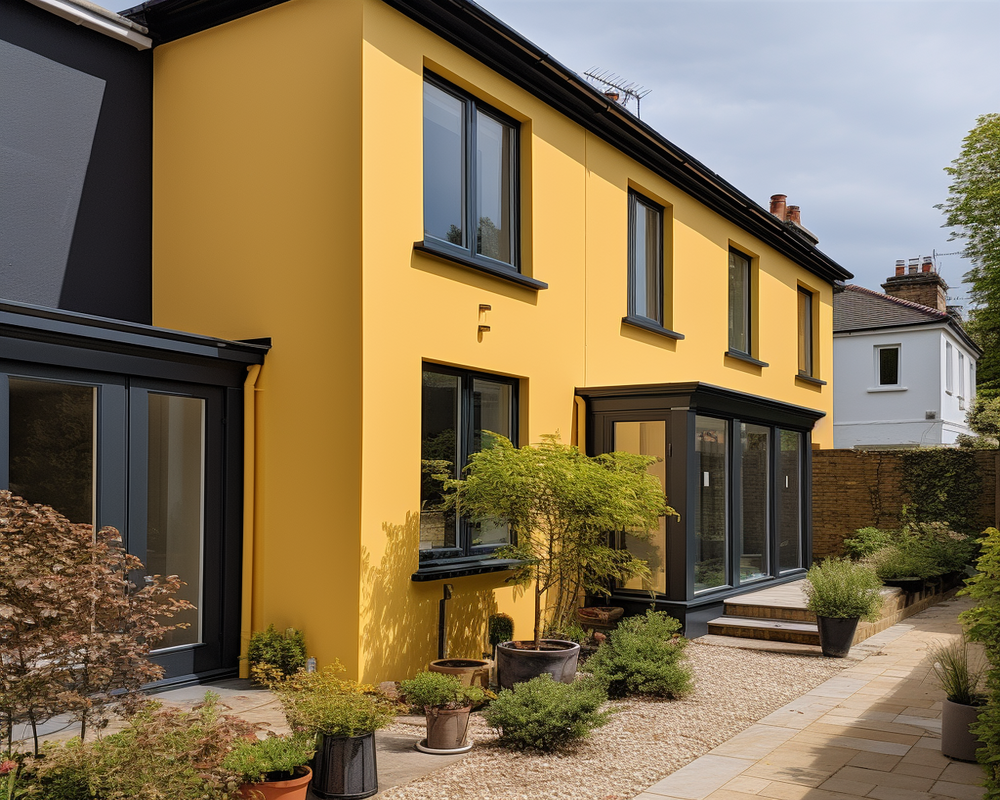
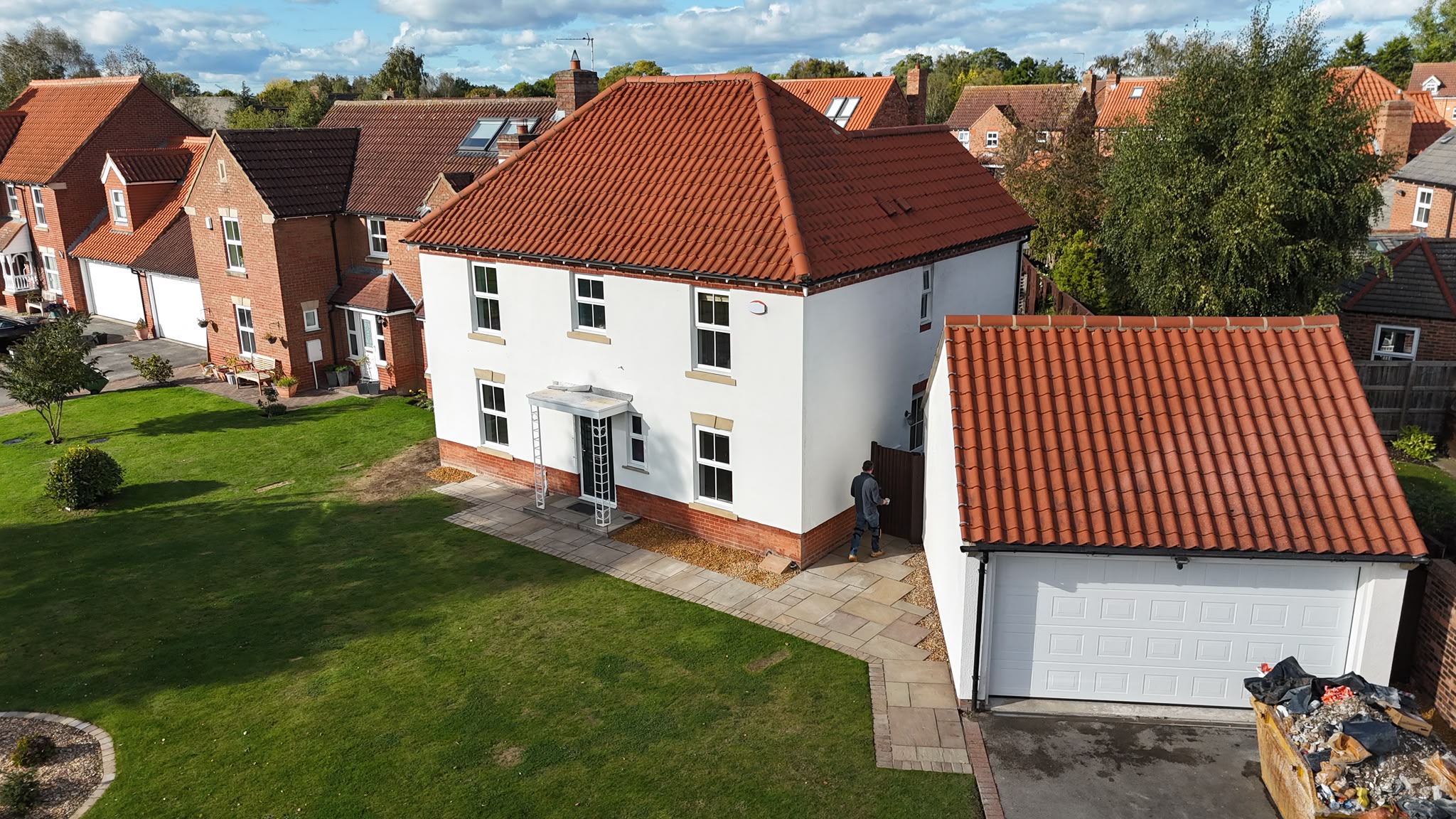
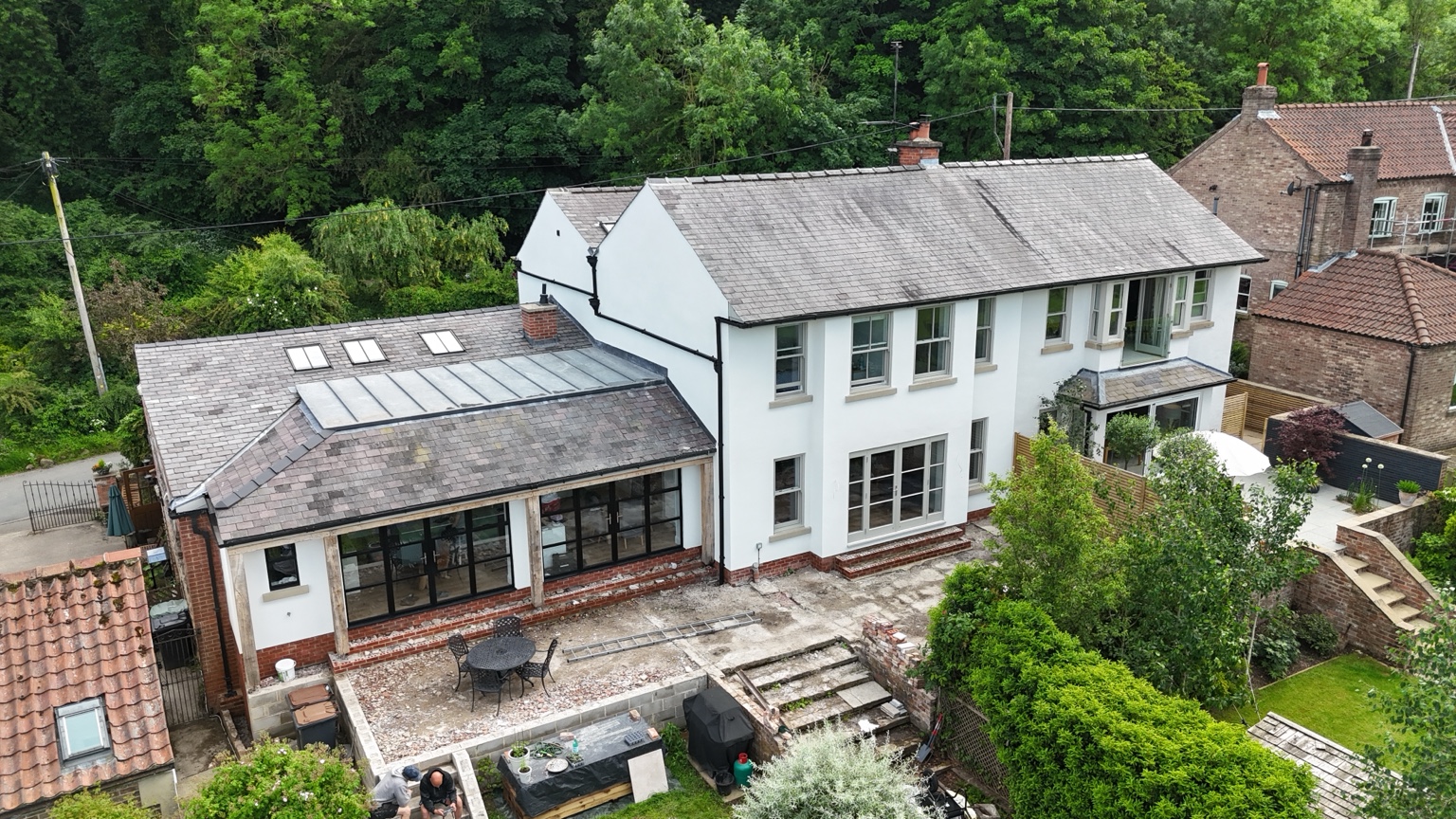
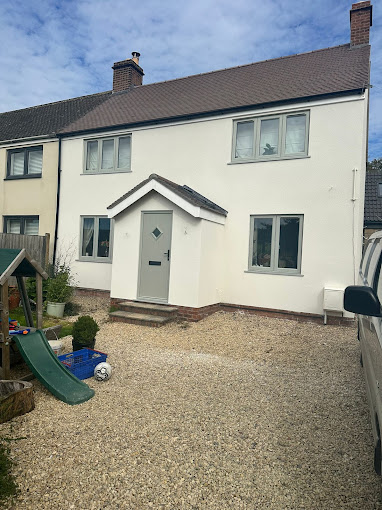
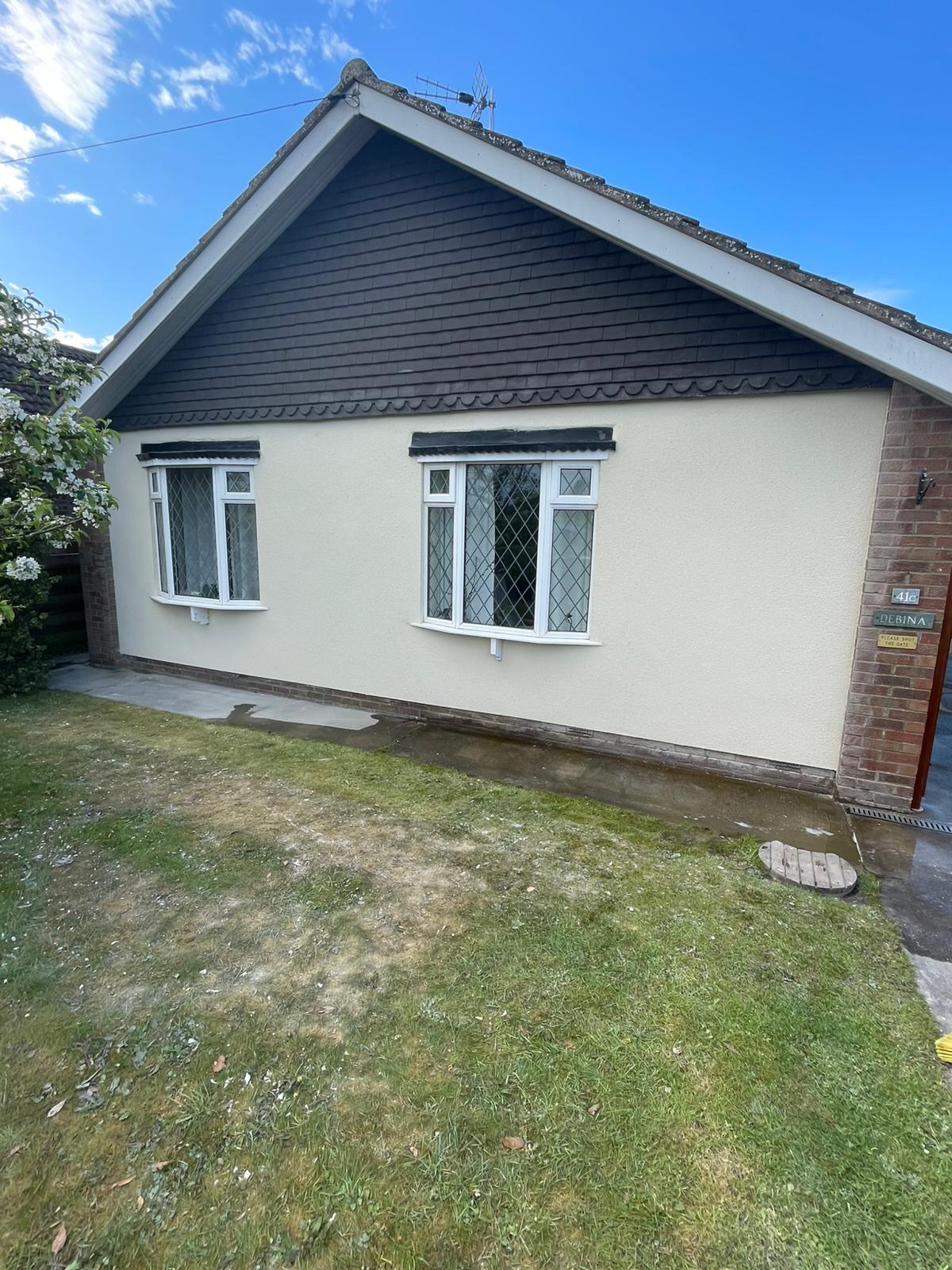
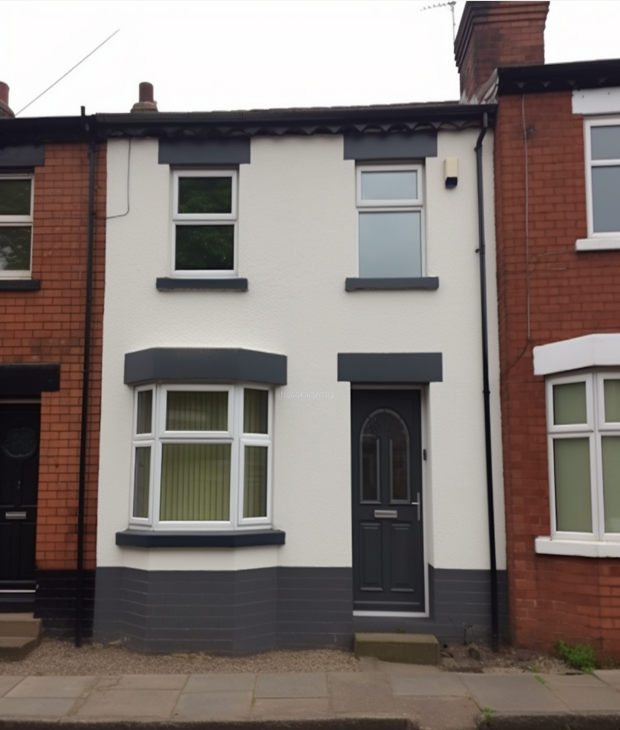
A freshly rendered exterior transforms how potential buyers perceive your property from the moment they arrive. Estate agents report that rendered homes can sell 19% faster than comparable unrendered properties, particularly when the finish looks modern and well-maintained.
The visual impact matters most in areas where rendered homes are common, and the aesthetic must suit the street. Applying bright or unusual colours in conservation areas or streets with uniform brick façades can actually decrease value rather than enhance it. Recently Rendered always advises clients on colour and texture choices that will maximise appeal in their specific location — neutral tones like white, cream, and light grey consistently deliver the strongest results for resale.
Beyond aesthetics, rendering provides a weatherproof barrier that protects your home’s structural walls from moisture penetration — particularly valuable in Yorkshire, where damp can lead to costly internal damage over time. Quality render prevents water ingress whilst allowing walls to breathe, reducing condensation problems.
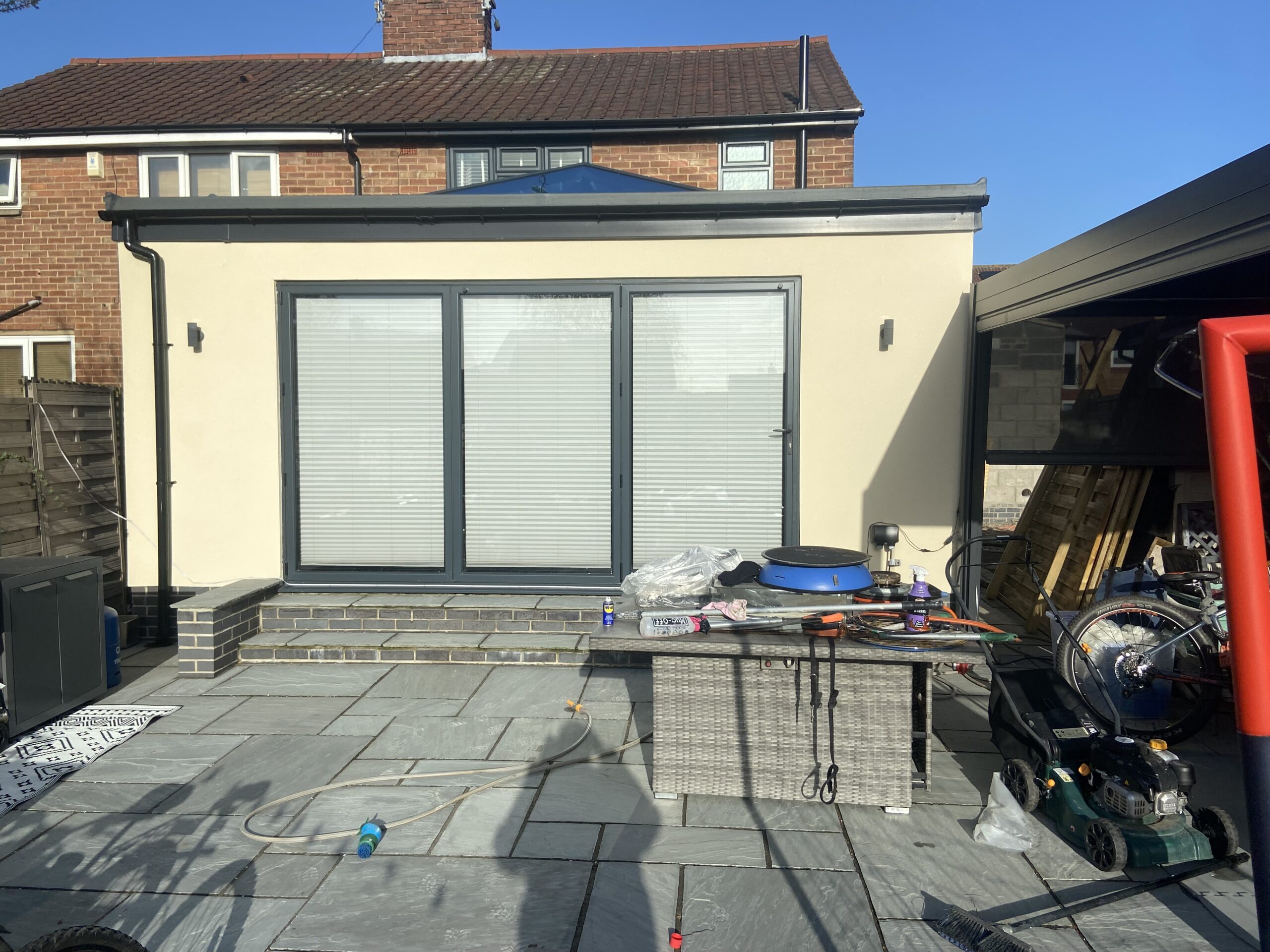
Maintenance requirements vary by render type. Traditional cement renders may need repainting every 5–10 years, whilst through-coloured renders — like those Recently Rendered installs — maintain their appearance for 20–25 years without additional treatment. This long-term protection is a compelling selling point for buyers seeking lower ongoing maintenance costs.
For homeowners looking for silicone render in Harrogate, this type of system is popular because it combines weather protection with breathability, making it well suited to UK properties.
Types of Rendering Finishes
The finish you choose affects both appearance and value addition. Here’s a quick reference for how different textures perform:
Finish Type
Appearance
Best Suited For
Smooth
Contemporary, clean lines
Modern and minimalist homes
Textured/Roughcast
Traditional, grainy surface
Period properties, rural areas
Scraped
Subtle pattern, mid-texture
Semi-detached, suburban homes
Pebbledash
Heavily textured with stones
Coastal properties, 1930s houses
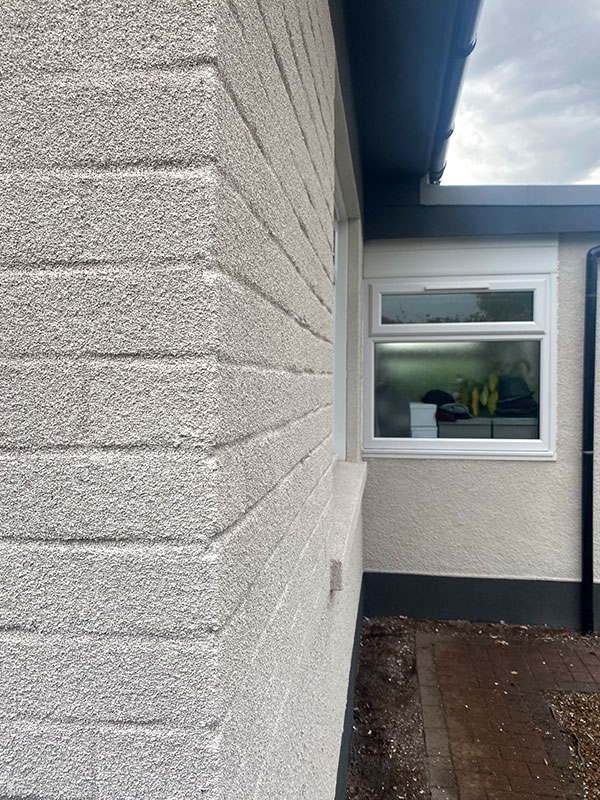
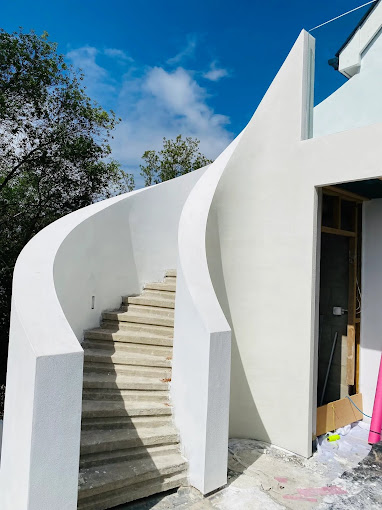
Smooth renders command the highest value increase in urban areas, adding 5–10% on average. Textured finishes work better for traditional homes where a smooth render might look incongruous, typically adding 2–5% when appropriately matched to the property style. Recently Rendered will always advise on the finish most likely to maximise your return based on your property type and location.
Real Examples and Return on Investment
Understanding the financial impact of rendering requires looking at actual costs, documented cases, and regional market data. Recently Rendered believes in transparent conversations about ROI — here’s what the evidence shows.
Case Studies of UK Homes
A semi-detached property in Manchester valued at £250,000 invested £8,500 in silicone render with insulation. The homeowner reported a valuation increase to £267,500 within 18 months — a £17,500 gain representing a 206% return on the rendering investment.
In Cornwall, a Victorian terrace suffering from visible damp underwent pebbledash rendering at £7,200, selling for £12,000 more than comparable unrendered homes on the same street. The estate agent cited improved kerb appeal and eliminated damp concerns as the key factors.
A Birmingham property owner spent £11,000 on monocouche render for a detached house, contributing to a sale price 8% above the initial asking price. These are the kinds of outcomes Recently Rendered aims to deliver for every client — not just a better-looking home, but a measurably better financial result.
Typical Costs Versus Value Added
Rendering costs in the UK range from £6,000 to £15,000 depending on property size and render type. For a property worth £250,000, research suggests rendering could add between £12,500 and £25,000 to market value — a potential profit of £4,500 to £19,000 after deducting rendering costs.
Typical cost breakdown by property size:
Small terraced house (70m²): £4,500–£6,500
Semi-detached house (100m²): £7,000–£10,000
Detached house (150m²): £10,000–£15,000
The return on investment improves significantly when rendering addresses existing problems like damp or poor insulation rather than purely cosmetic upgrades. Recently Rendered always assesses the full picture during your initial survey, identifying any underlying issues that, if addressed alongside rendering, will maximise your return.
Regional Differences in the UK
London and the South East show the highest absolute value gains, with improvements adding £20,000–£35,000 to properties. Northern regions including Yorkshire demonstrate strong percentage returns of 8–10%, with properties benefiting particularly from the thermal efficiency improvements rendering provides.
Coastal areas throughout the UK see substantial benefits from weather-resistant renders like silicone, which protect against salt spray and driving rain. Recently Rendered has extensive experience across Yorkshire’s varied geography — from exposed Pennine properties to coastal locations — and understands how regional conditions influence both material selection and return on investment.
Expert Opinions and Survey Data
Estate agents surveyed across the UK consistently rank rendering amongst the top five exterior improvements for adding value. Industry professionals emphasise that poorly executed rendering can decrease property value by raising red flags about trapped moisture and underlying structural issues — quality workmanship matters more than the rendering decision itself.
Building surveyors report that modern silicone renders score highly in property assessments due to their breathability and low maintenance requirements. Energy assessors confirm that insulated render systems can improve EPC ratings by one or two bands, directly impacting property desirability and mortgage availability for potential buyers. These are standards Recently Rendered builds into every project as a matter of course.
Thinking about rendering as an investment? Contact Recently Rendered for a free survey and an honest assessment of the value your property could gain — no obligation, just straightforward expert advice.
A professionally rendered home typically adds 5–10% to sale price in areas where modern finishes are popular — £15,000 to £30,000 on a £300,000 property. More conservative estimates suggest 2–5% uplift when the render is sympathetic to the street. Rendered homes also sell 19% faster on average, which matters when you're carrying mortgage costs or need to complete a chain. Recently Rendered can give you a realistic estimate of the value uplift likely for your specific property and location during your free initial survey.
If your home gains £15,000 in value from a £10,000 render job, your net ROI is £5,000 minus any financing costs. The equation shifts further in your favour when you pair rendering with external wall insulation — you'll pay more upfront but reduce energy bills by hundreds of pounds annually whilst improving kerb appeal and weatherproofing simultaneously. Recently Rendered regularly specifies this combination for Yorkshire clients and can walk you through the full financial case before you commit.
Rendering a period brick home in a conservation area can decrease value if buyers prize original features. Poorly applied render that traps moisture, cracks, or debonds will raise red flags during surveys — buyers either withdraw or demand price reductions that wipe out any cosmetic gain. Budget renders applied over damp substrates often fail within five years, creating liabilities rather than assets.Recently Rendered never cuts corners on preparation or material quality, because protecting your investment is as important to us as completing the job.
Silicone and monocouche renders deliver the strongest ROI in most UK climates because they repel water, stay cleaner longer, and require minimal maintenance. Buyers value the 25-year lifespan and self-cleaning properties, especially in rainy regions like Yorkshire. Sand and cement render costs less upfront but needs repainting every decade and cracks more readily, whilst acrylic renders perform poorly in wet British weather. Recently Rendered recommends silicone render as the default choice for Yorkshire properties for precisely these reasons.
Rendering adds most value in areas where modern, low-maintenance exteriors dominate and where weatherproofing matters — coastal and northern properties like those across Yorkshire benefit more than sheltered southern suburbs. Post-war semis and ex-council houses see the largest percentage gains, whilst pre-1919 character homes in conservation zones require more careful consideration. Properties with existing damp, cracked brickwork, or failing pebbledash gain the most when rendering includes proper insulation and vapour barriers. Recently Rendered assesses all of these factors during your survey and will give you an honest view of the likely return for your specific property.
Loft conversions typically add 10–20% to property value but cost £30,000–£60,000, making rendering a far more accessible route to meaningful value uplift. Kitchen and bathroom renovations return 5–10% at similar price points to high-end rendering jobs, but unlike rendering, they don't reduce running costs. Rendering combined with insulation offers the dual benefit of immediate visual impact plus ongoing energy savings — a combination that appeals strongly to today's cost-conscious buyers. The best ROI comes from addressing your property's weakest link: if your home looks shabby from the street but has a good kitchen, a Recently Rendered finish will outperform further interior work by fixing the first impression that drives viewing requests in the first place.